Mastering the Art of Asian-Inspired Chicken: Beyond Takeout
Craving that perfect balance of sweet, savory, and tangy often found in your favorite Asian-inspired dishes? Have you ever wondered if you could replicate the magic of restaurant-quality chicken right in your own kitchen, perhaps even surpassing it? The answer is a resounding yes! Preparing a delicious Orange Chicken or a zesty General Tso Chicken at home offers undeniable value. Not only do you gain complete control over the quality of ingredients, but you also get to tailor the flavors precisely to your palate, often at a fraction of the cost. Let’s embark on a culinary journey to create an unforgettable meal that will impress your family and friends. This guide is designed to empower every home cook to achieve masterful results with our featured chicken recipe.
Ingredients & Kitchen Tools
Gather your culinary arsenal for this delightful dish.
Boneless, Skinless Chicken Thighs (2 lbs): Chosen for their tenderness and flavor, they’re less likely to dry out than breast meat. Substitution: Boneless, skinless chicken breast for a leaner option.*
All-Purpose Flour (1/2 cup): For a light coating on the chicken. Substitution: Cornstarch for a gluten-free alternative and crispier texture.*
- Eggs (2 large): To help the coating adhere.
Vegetable Oil (2-3 cups): For frying. Substitution: Canola oil or peanut oil.*
- Orange Juice (1 cup, fresh squeezed preferred): The star of our sauce, providing natural sweetness and tang.
Soy Sauce (1/2 cup, low sodium): Umami depth. Substitution: Tamari for gluten-free.*
- Rice Vinegar (1/4 cup): Balances the sweetness and adds brightness.
Brown Sugar (1/4 cup, packed): For rich caramel notes. Substitution: Honey or maple syrup for a different sweetness profile.*
- Ginger (2 tablespoons, fresh, grated): Aromatic and pungent.
- Garlic (2 tablespoons, minced): Essential flavor base.
- Red Pepper Flakes (1/2 teaspoon, adjustable): For a subtle kick.
- Cornstarch (2 tablespoons): Thickens the sauce.
- Water (2 tablespoons): To make a cornstarch slurry.
- Orange Zest (1 teaspoon): For an extra burst of citrus aroma.
- Sesame Seeds & Green Onions (for garnish): Adds texture and freshness.
Kitchen Tools:
- Large Mixing Bowls (2): For dredging chicken.
- Heavy-Bottomed Pot or Dutch Oven: For frying.
- Whisk: To combine sauce ingredients.
- Measuring Cups & Spoons: For accurate ingredient amounts.
- Tongs: For handling chicken.
- Slotted Spoon or Spider: For removing fried chicken.
- Paper Towels: For draining excess oil.
- Small Saucepan: For preparing the sauce.
Prep Time & Cooking Schedule
- Prep Time: 25 minutes (Includes chopping chicken, preparing dredge, and mincing aromatics).
- Marinating Time: 30 minutes (Optional, but recommended for flavor penetration). While the chicken rests, you can prepare the sauce ingredients.
- Cook Time: 20-25 minutes (Frying in batches, then simmering in sauce).
This recipe is structured for efficiency. We’ll start by prepping the chicken, then move on to the sauce while the chicken takes its initial dip in the fryer, ensuring everything comes together seamlessly for a hot and fresh meal.
Step-by-Step Instructions
1. Prepare the Chicken: Pat your chicken thighs dry and cut them into 1-inch pieces. In one mixing bowl, whisk the eggs. In another, combine the flour, a pinch of salt, and pepper. Dip each chicken piece first in the egg, then coat thoroughly in the flour mixture. For extra crispiness, you can double-dredge by repeating this step.
2. Heat the Oil: Pour vegetable oil into your heavy-bottomed pot to a depth of about 2-3 inches. Heat over medium-high heat to 350-375°F (175-190°C). Use a kitchen thermometer to ensure accuracy.
3. Fry the Chicken: Carefully add chicken pieces to the hot oil, ensuring not to overcrowd the pot. Fry in batches for 4-6 minutes, or until golden brown and cooked through. Remove with a slotted spoon and place on a wire rack lined with paper towels to drain excess oil.
4. Prepare the Sauce: While the chicken fries, whisk together the orange juice, soy sauce, rice vinegar, brown sugar, grated ginger, minced garlic, and red pepper flakes in a small saucepan. Bring to a simmer over medium heat.
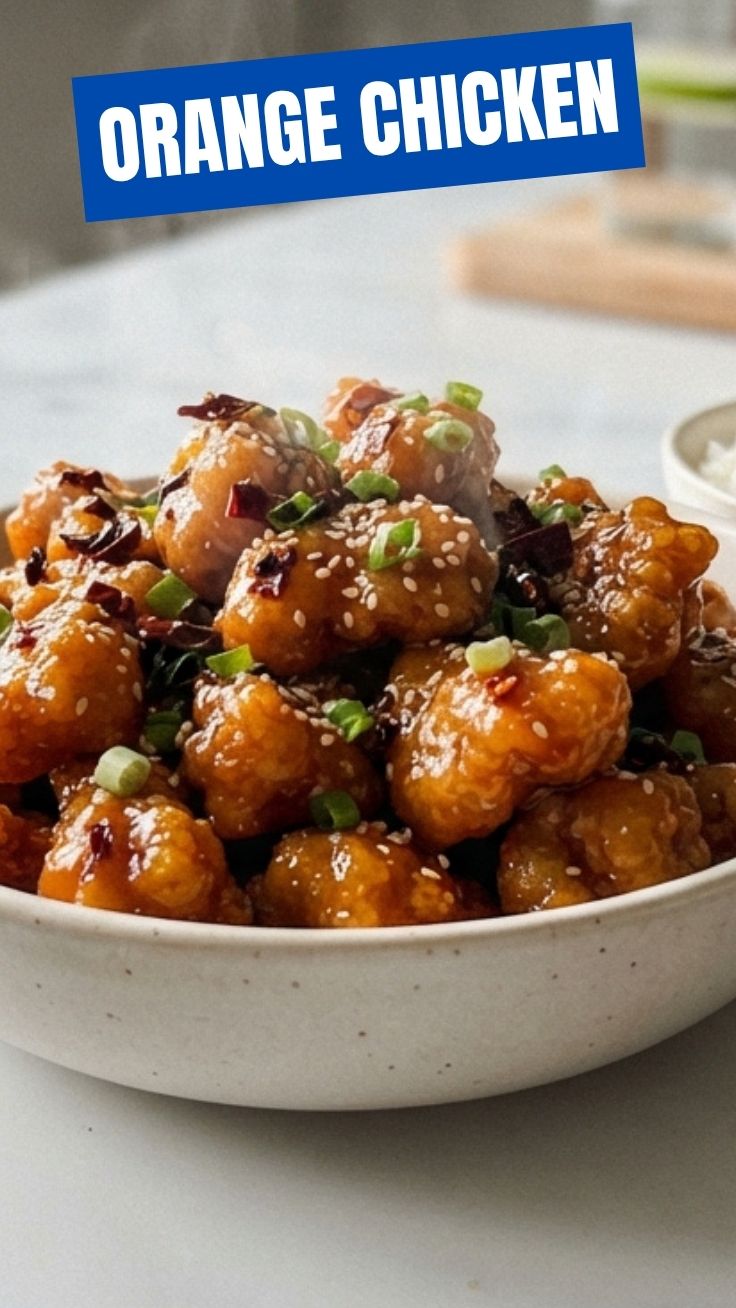
5. Thicken the Sauce: In a separate small bowl, whisk together the cornstarch and water to create a slurry. Slowly pour the slurry into the simmering sauce, whisking constantly until the sauce thickens to your desired consistency. Stir in the orange zest. This vibrant sauce forms the heart of our Orange Chicken.
6. Combine and Serve: Once all the chicken is fried, add it to the thickened sauce. Toss gently to coat every piece evenly. Serve immediately over steamed rice, garnished with sesame seeds and green onions for an authentic General Tso Chicken experience.
Nutritional Benefits & Advantages
This dish, when prepared with fresh ingredients, offers several nutritional advantages. Chicken thighs are a good source of lean protein, essential for muscle repair and growth. Fresh ginger and garlic provide powerful antioxidants and anti-inflammatory compounds. The use of fresh orange juice contributes Vitamin C, boosting immunity. By cooking at home, you can control the amount of sugar and sodium, making it a healthier alternative to many takeout options. Opting for brown rice over white rice further increases fiber intake.
Tips, Variations & Cooking Advice
- Spice Level: Adjust red pepper flakes to your preference. For more heat, add a pinch of dried chili peppers to the oil before adding the chicken, or increase the flakes in the sauce.
- Gluten-Free: Use cornstarch instead of flour for coating the chicken and tamari instead of soy sauce.
- Crispier Chicken: After frying, consider a second, quick fry before adding to the sauce for extra crunch.
- Vegetarian Option: Substitute chicken with extra-firm tofu, pressed and cubed, then fried.
- Sauce Consistency: If the sauce is too thick, thin it with a little water or chicken broth. If too thin, make another small cornstarch slurry and whisk it in.
- Citrus Boost: For an even more profound orange flavor, consider adding a tablespoon of orange marmalade to the sauce.
Common Mistakes to Avoid
- Overcrowding the Pot: This lowers oil temperature, leading to soggy, oily chicken instead of crisp. Fry in batches.
- Insufficient Oil Temperature: Too low, and chicken absorbs oil; too high, and it burns outside before cooking inside. Use a thermometer.
- Skipping the Slurry: Adding cornstarch directly to hot liquid will create lumps. Always mix cornstarch with a cold liquid first.
- Overcooking the Sauce: Once thickened, remove from heat to prevent it from becoming too gloopy.
- Under-Seasoning: Taste your sauce before adding the chicken and adjust salt, sugar, or vinegar as needed.
Storage & Meal Prep Tips
Leftover chicken stores well in an airtight container in the refrigerator for up to 3-4 days. For reheating, gently warm on the stovetop over low heat, or in the microwave. If reheating on the stovetop, you can add a splash of water or chicken broth to loosen the sauce. Freezing is possible, although the texture of the fried chicken may soften slightly. Freeze separated from the sauce for best results. Thaw overnight in the refrigerator and reheat. This dish makes an excellent meal prep option, providing flavorful lunches throughout the week.
Conclusion
Embracing the home-cooked journey allows you to craft dishes that truly resonate with your taste and dietary needs. Whether you’re perfecting Orange Chicken or experimenting with General Tso Chicken, the satisfaction of creating such a flavorful and vibrant meal from scratch is immense. We encourage you to try this recipe and discover the joy of bringing restaurant-quality flavors into your own kitchen. Share your culinary creations and triumphs with us in the comments below!
FAQs
Q1: Can I use chicken breast instead of thighs?
A1: Yes, absolutely! Boneless, skinless chicken breast can be used, but be mindful that it cooks faster and can dry out more easily. Cut into similar 1-inch pieces and adjust frying time as needed.
Q2: How do I make the chicken extra crispy?
A2: For maximum crispiness, consider a double dredge (coat in flour, then egg, then flour again). You can also briefly re-fry the chicken for 1-2 minutes before adding it to the sauce.
Q3: What can I serve this chicken with?
A3: This chicken pairs wonderfully with steamed white or brown rice, stir-fried noodles, or a side of steamed broccoli or asparagus.
Q4: Can I prepare the sauce in advance?
A4: Yes, the sauce can be prepared a day or two in advance and stored in an airtight container in the refrigerator. Reheat gently before adding the fried chicken.
Q5: What if my sauce is too thick or too thin?
A5: If too thick, thin with a tablespoon of water or chicken broth at a time. If too thin, create another small cornstarch slurry (1 tsp cornstarch to 1 tbsp cold water) and whisk it into the simmering sauce until desired consistency is reached.