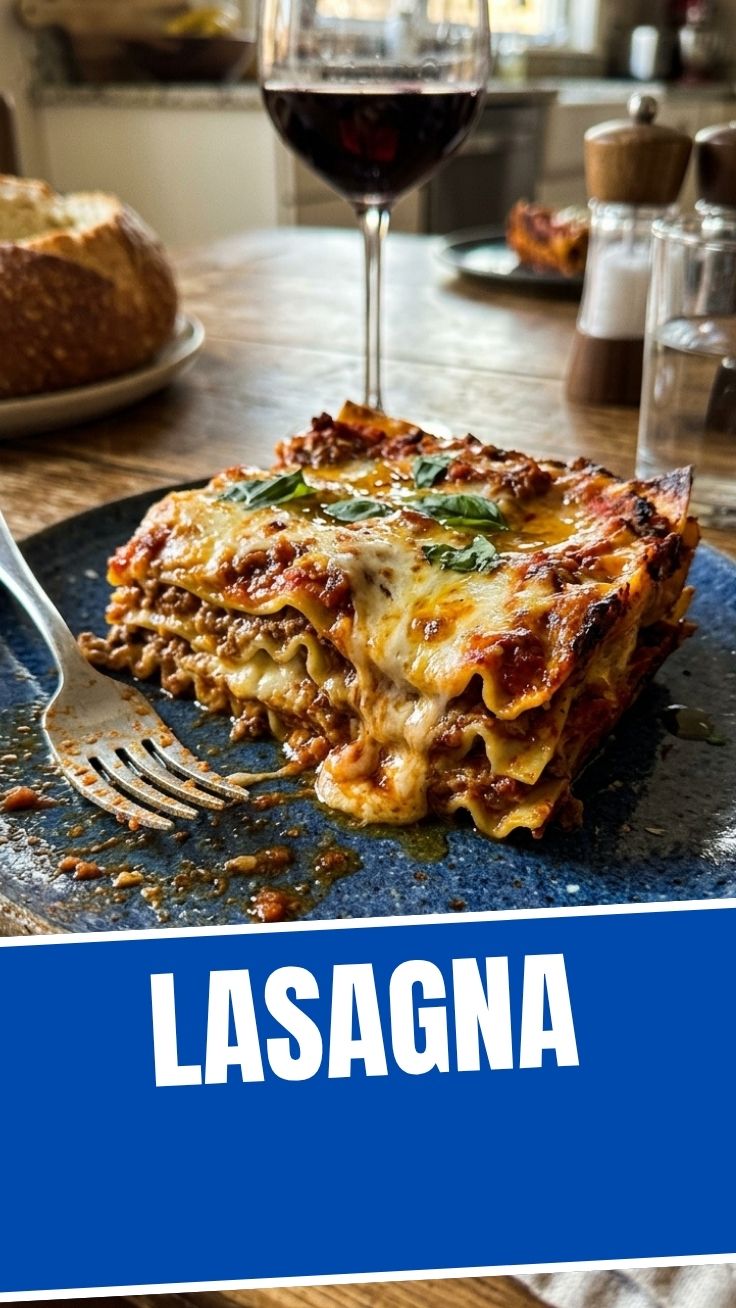
The Irresistible Charm of Homemade Lasagna: Your Guide to Culinary Perfection
Ever wondered if you could recreate that rich, comforting taste of authentic Lasagna right in your own kitchen? The answer is a resounding yes! While often perceived as a complex culinary endeavor, mastering this timeless dish is incredibly rewarding. Preparing Italian cuisine at home not only allows for complete control over ingredients and flavors, but it also transforms your kitchen into a hub of warmth and delicious aromas. This comprehensive guide will walk you through every step, ensuring your homemade Lasagna is a masterpiece that will impress discerning palates and satisfy even the heartiest appetites.
Ingredients & Kitchen Tools
- For the Meat Sauce (Ragu Bolognese):
* 1 tbsp Olive Oil (Extra virgin for richer flavor)
* 1 lb Ground Beef (<80% lean for best flavor, or a mix of beef and pork)
* 1 large Onion, chopped (Adds sweetness and depth)
* 2-3 cloves Garlic, minced (Aromatic base)
* 1 (28 oz) can Crushed Tomatoes (Foundation of the sauce)
* 1 (15 oz) can Tomato Sauce (Adds more liquid and smooth consistency)
* 6 oz Tomato Paste (Intensifies tomato flavor)
* 1/2 cup Red Wine (Optional, but adds complexity and richness; Merlot or Cabernet Sauvignon works well)
* 1 tsp Dried Oregano (Classic Italian cuisine herb)
* 1/2 tsp Dried Basil (Another essential Italian herb)
* 1/4 tsp Red Pepper Flakes (Optional, for a hint of heat)
* Salt and Black Pepper to taste
- For the Bechamel Sauce (or Ricotta Cheese Filling):
* Ricotta Cheese Option: 2 lbs Ricotta Cheese (Whole milk for creaminess), 1 cup grated Parmesan cheese, 1 large egg, 1/4 cup fresh parsley, chopped. (Traditional American-style Lasagna)
* Bechamel Option: 1/2 cup Unsalted Butter, 1/2 cup All-Purpose Flour, 4 cups Whole Milk (Warms up for easier whisking), 1/2 tsp Nutmeg (Classic in bechamel), Salt and White Pepper to taste. (Traditional Italian Lasagna)
- For Assembly:
* 12-16 Lasagna Noodles (No-boil or traditional, follow package directions)
* 4 cups Shredded Mozzarella Cheese (Part-skim or whole milk)
* 1 cup Grated Parmesan Cheese (For layers and topping)
- Kitchen Tools: Large skillet or Dutch oven, large pot for noodles (if not using no-boil), 9×13 inch baking dish, whisk, spatula, cutting board, knife, measuring cups and spoons.
Prep Time & Cooking Schedule

- Prep Time: 45 minutes (Includes chopping, sauce preparation)
- Cook Time: 60-70 minutes (45-50 minutes covered, 15-20 minutes uncovered)
- Resting Time: 15-20 minutes (Crucial for setting and easier slicing)
Allow ample time for the meat sauce to simmer; the longer it cooks, the more flavorful it becomes. Overnight refrigeration of the assembled Lasagna also allows flavors to meld beautifully.
Step-by-Step Instructions
1. Prepare the Meat Sauce: In a large skillet or Dutch oven, heat olive oil over medium heat. Add ground beef and cook, breaking it up with a spoon, until browned. Drain excess fat. Add chopped onion and cook until softened, about 5-7 minutes. Stir in minced garlic and cook for another minute until fragrant. Pour in red wine (if using) and deglaze the pan. Stir in crushed tomatoes, tomato sauce, and tomato paste. Add oregano, basil, and red pepper flakes. Season with salt and pepper. Bring to a simmer, then reduce heat to low, cover, and cook for at least 30 minutes, or up to 2 hours for deeper flavor, stirring occasionally. This perfectly seasoned ragu is the heart of any great homemade Lasagna.
2. Prepare the Bechamel or Ricotta Filling:
* For Ricotta: In a medium bowl, combine ricotta cheese, 1 cup Parmesan, egg, and fresh parsley. Mix well and season with salt and pepper.
* For Bechamel: In a saucepan, melt butter over medium heat. Whisk in flour to form a roux and cook for 1-2 minutes. Gradually whisk in warm milk until smooth. Bring to a gentle simmer, whisking constantly, until sauce thickens to coat the back of a spoon. Season with nutmeg, salt, and white pepper. Authentic Italian cuisine often favors this creamy sauce.
3. Cook the Lasagna Noodles: If using traditional noodles, cook according to package directions until al dente. Drain and rinse with cold water to prevent sticking.
4. Assemble the Lasagna: Preheat oven to 375°F (190°C).
* Spread a thin layer of meat sauce on the bottom of a 9×13 inch baking dish.
* Arrange a layer of Lasagna noodles over the sauce.
* Spread half of the ricotta mixture (or a layer of bechamel) over the noodles.
* Top with a generous layer of meat sauce, then sprinkle with mozzarella and Parmesan cheese.
* Repeat the noodle, ricotta/bechamel, meat sauce, and cheese layers.
* Finish with a final layer of noodles, leftover meat sauce, and a generous amount of mozzarella and Parmesan cheese.
5. Bake: Cover the baking dish tightly with aluminum foil. Bake for 45-50 minutes. Remove foil and bake for another 15-20 minutes, or until the cheese is bubbly and golden brown.
6. Rest: Let the Lasagna rest for 15-20 minutes before serving. This allows the layers to set, making for cleaner slices.
Nutritional Benefits & Advantages
Homemade Lasagna provides a balanced meal with protein from ground beef and cheese, carbohydrates from pasta, and essential vitamins and minerals from tomatoes and onions. Lycopene in tomatoes is a powerful antioxidant, while cheese offers calcium for bone health. By making it yourself, you control sodium and fat content, making it a healthier alternative to many store-bought options.
Tips, Variations & Cooking Advice
- Flavor Variations: Add a pinch of nutmeg to the meat sauce for an extra layer of warmth. Incorporate sautéed mushrooms, spinach, or zucchini for added vegetables.
- Ingredient Swaps: Use ground turkey or chicken for a lighter meat sauce. For a vegetarian option, substitute the meat with lentils, mushrooms, and finely diced vegetables.
- Alternative Cooking Methods: While baking is traditional, some prefer to slow cook their meat sauce for hours, ensuring maximum flavor extraction.
- Dietary Adaptations:
* Gluten-Free: Use gluten-free Lasagna noodles.
* Dairy-Free: Use dairy-free ricotta, mozzarella, and Parmesan alternatives, and a plant-based milk for bechamel.
Common Mistakes to Avoid
- Undercooked Noodles: If using traditional noodles, ensure they are al dente to avoid a crunchy texture. No-boil noodles can prevent this.
- Watery Lasagna: Drain excess fat from the meat and allow the sauce to simmer and thicken sufficiently. Don’t add too much liquid.
- Not Resting: Slicing immediately after baking will result in a messy, falling-apart dish. The resting period is crucial.
- Too Much Cheese: While delicious, excessive cheese can make the Lasagna greasy. Balance is key.
Storage & Meal Prep Tips
Leftover Lasagna can be stored in an airtight container in the refrigerator for up to 3-4 days. For longer storage, individual portions or the entire dish can be frozen for up to 3 months. Thaw overnight in the refrigerator before reheating. To reheat, cover with foil and bake at 350°F (175°C) until heated through, or microwave individual slices. Freezing actually enhances flavors, making it an excellent make-ahead meal! The texture holds up remarkably well upon reheating.
Conclusion
Crafting your own Lasagna is an incredibly rewarding culinary journey. This detailed guide has provided you with the foundational knowledge and precise steps to create a show-stopping dish that embodies the rich traditions of Italian cuisine. From simmering the perfect meat sauce to layering each component with care, you’re now equipped to produce a truly exceptional homemade Lasagna. Don’t be afraid to experiment with the tips and variations, and most importantly, enjoy the process! Share your delicious creations with us, and let’s celebrate the joy of home cooking together.
FAQs
Q1: Can I make Lasagna ahead of time?
A1: Absolutely! You can assemble the entire Lasagna a day or two in advance. Cover it tightly and refrigerate. Add an extra 10-15 minutes to the baking time if baking from cold.
Q2: What’s the best way to prevent the noodles from sticking together when boiling?
A2: Use a large pot with plenty of salted water. Add a dash of olive oil to the water and stir occasionally to keep the noodles separated. Rinse them with cold water immediately after draining.
Q3: My Lasagna is falling apart; what went wrong?
A3: The most common reason is not allowing enough resting time after baking. The layers need time to set and solidify.
Q4: Can I use different cheeses?
A4: Yes, feel free to get creative! Provolone, Fontina, or even a smoked mozzarella can add interesting flavor complexities.
Q5: How can I make my meat sauce richer?
A5: Simmer the sauce for a longer period (up to 2-3 hours on low heat, stirring occasionally). A splash of beef broth or a parmesan rind added during simmering can also deepen the flavor.