Master the Perfect Pan-Seared Ribeye: Your Guide to Restaurant-Quality Steak at Home
Tired of paying premium prices for a mediocre steakhouse experience? Imagine sinking your teeth into a perfectly cooked, juicy, and flavorful Steak (Pan-Seared Ribeye), right in your own kitchen. Achieving that coveted crust and tender interior is not just for professional chefs – it’s entirely within your reach. This comprehensive guide will empower you to transform a simple cut of beef into an extraordinary culinary masterpiece, demonstrating the incredible value of mastering the art of Pan-Seared perfection at home.
Ingredients & Kitchen Tools
- Ribeye Steak (1.5-2 inches thick): The star of the show. Aim for well-marbled cuts for maximum flavor and tenderness.
- Kosher Salt (coarse): Essential for seasoning and creating a beautiful crust. Distributes evenly and penetrates the meat.
- Freshly Ground Black Pepper: Adds a pungent, aromatic counterpoint to the rich beef. Grind fresh for best flavor.
- High Smoke Point Oil (e.g., grapeseed, avocado, canola): For searing without burning. Olive oil has a lower smoke point and isn’t ideal here.
- Unsalted Butter (2-4 tablespoons): For basting and adding a rich, nutty flavor. Unsalted allows you to control salt levels.
- Garlic Cloves (2-3, smashed): Infuse the butter with aromatic depth during basting.
- Fresh Herbs (e.g., rosemary, thyme sprigs): Elevate flavor during basting. Classic pairings with beef.
- Heavy-Bottomed Skillet (Cast Iron recommended): Essential for even heat distribution and maintaining high temperatures for a perfect sear.
- Tongs: For safely flipping the steak without piercing it, preserving precious juices.
- Meat Thermometer (Instant-read): The most reliable way to ensure internal doneness without guesswork.
- Cutting Board: For resting and slicing.
- Sharp Chef’s Knife: For precise and clean slicing against the grain.
Prep Time & Cooking Schedule
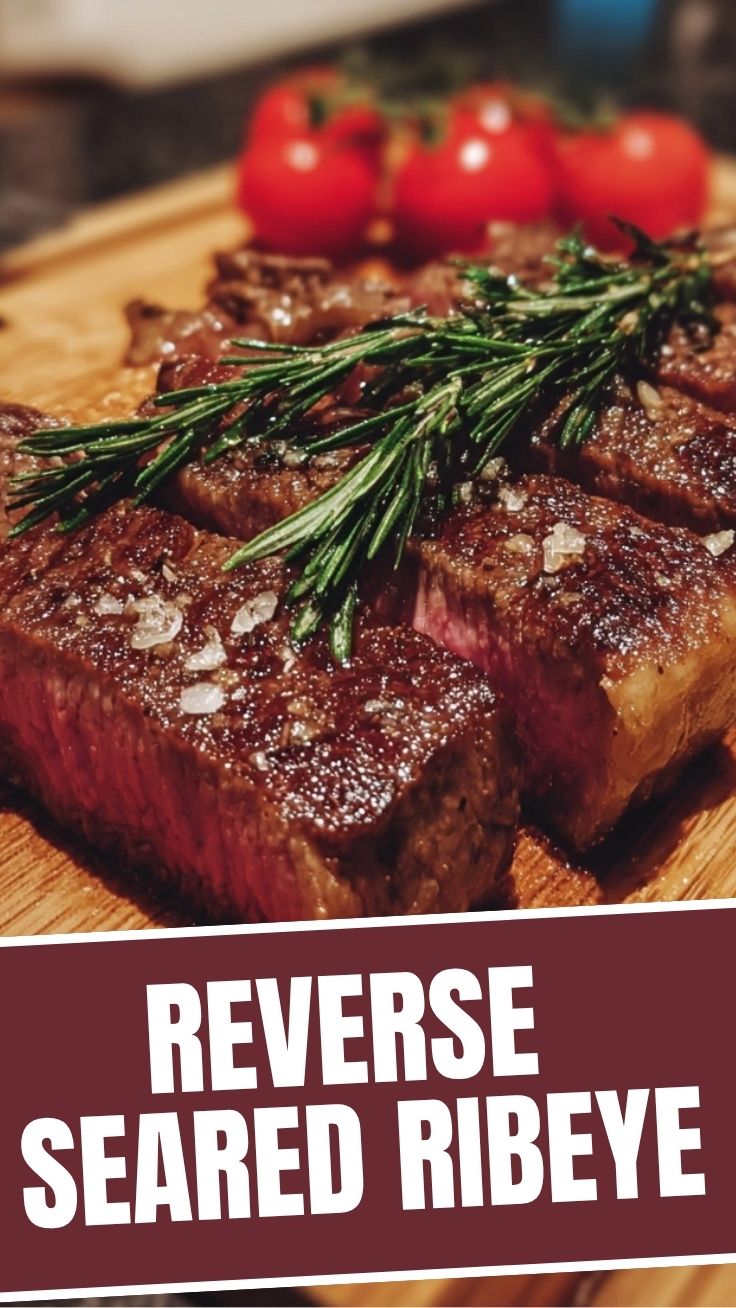
- Active Prep Time: 10 minutes (seasoning, gathering ingredients)
- Resting Time (before cooking): 30-60 minutes (allows steak to come to room temperature, ensuring even cooking)
- Cook Time: 8-15 minutes (depending on thickness and desired doneness)
- Resting Time (after cooking): 5-10 minutes (crucial for juicy results)
Total Time: Approximately 1 hour for a perfectly cooked steak. Plan to remove your ribeye from the refrigerator at least 30-60 minutes before cooking to allow it to come closer to room temperature. This helps achieve a more even cook from edge to center.
Step-by-Step Instructions
1. Bring it to Temp: Remove your Steak (Pan-Seared Ribeye) from the refrigerator at least 30-60 minutes before cooking. Pat it thoroughly dry with paper towels – moisture is the enemy of a good sear!
2. Season Generously: Season both sides of the steak liberally with kosher salt and freshly ground black pepper. Don’t be shy; a thick cut can handle a good amount of seasoning.
3. Preheat the Skillet: Place your heavy-bottomed skillet over high heat. Let it heat for 5-7 minutes until it’s smoking slightly. This is crucial for a phenomenal Pan-Seared crust.
4. Add Oil: Add 1-2 tablespoons of high-smoke-point oil to the hot pan. Swirl to coat the bottom.
5. Sear the First Side: Carefully place the steak in the hot skillet. Do not move it for 2-3 minutes, allowing a deep brown crust to form.
6. Flip and Repeat: Flip the steak with tongs and sear the second side for another 2-3 minutes.
7. Baste with Flavor: Reduce the heat to medium. Add the butter, smashed garlic, and fresh herbs to the pan. Tilt the pan slightly and use a spoon to continuously baste the melted butter and aromatics over the steak for 2-4 minutes, or until desired doneness is almost reached.
8. Check Doneness: Use an instant-read meat thermometer inserted into the thickest part of the steak.
* Rare: 120-125°F
* Medium-Rare: 125-130°F (recommended for ribeye)
* Medium: 130-135°F
9. Rest the Steak: Transfer the steak to a cutting board. Loosely tent with foil and let it rest for 5-10 minutes. This allows the juices to redistribute, ensuring a tender and moist steak.
10. Slice and Serve: Slice against the grain into thick pieces and serve immediately.
Nutritional Benefits & Advantages
Ribeye steak is a rich source of high-quality protein, essential for muscle repair and growth. It’s also packed with iron, vital for oxygen transport in the blood, and B vitamins (B12, niacin, B6), which play crucial roles in energy metabolism and nerve function. While higher in fat than some leaner cuts, the marbling in ribeye contributes to its flavor and tenderness, and when enjoyed in moderation, it can be part of a balanced diet.
Tips, Variations & Cooking Advice
- Reverse Sear: For thicker steaks (2+ inches), consider a reverse sear: bake in a low oven (250°F) until 10-15°F below target doneness, then sear on high heat.
- Compound Butter: Elevate flavor by mixing softened butter with herbs, garlic, or blue cheese in advance. Add a pat on the resting steak.
- Pepper Crust: For an even bolder flavor, press cracked black pepper firmly onto the steak before searing.
- Dietary Adaptations: For a dairy-free version, skip the butter and baste with extra high-smoke-point oil.
- Serving Suggestions: Pair with roasted vegetables, mashed potatoes, a fresh salad, or classic pan sauce made from the skillet drippings.
Common Mistakes to Avoid
- Not Drying the Steak: Leads to steaming instead of searing, resulting in a pale, gray crust.
- Cold Steak: Cooking straight from the fridge leads to uneven cooking (overcooked exterior, raw interior).
- Under-Seasoning: Beef needs a generous amount of salt and pepper to truly shine.
- Overcrowding the Pan: Reduces pan temperature, causing steaming and preventing a good sear. Cook one steak at a time if necessary.
- Skipping the Rest: Crucial for a juicy steak. Cutting too early allows all the precious juices to run out.
Storage & Meal Prep Tips
Leftover Steak (Pan-Seared Ribeye) can be stored in an airtight container in the refrigerator for up to 3-4 days. For best results, slice leftovers and use them in salads, sandwiches, or tacos. To reheat, gently warm in a skillet over low heat or in a microwave on low power to avoid overcooking and drying out the meat. This method will help maintain the desired tenderness from your initial Pan-Seared preparation. Freezing cooked steak is possible, but it may compromise texture.
Conclusion
Mastering the perfect Steak (Pan-Seared Ribeye) at home is a truly rewarding culinary skill. By understanding the principles of proper seasoning, high heat, and patient resting, you can achieve a restaurant-quality result every time. We hope this guide inspires you to confidently tackle the art of Pan-Seared perfection and elevate your home cooking experience. Give this recipe a try, share your triumphs in the comments below, and prepare to impress yourself and your loved ones!
FAQs
- Q: Can I use thinner steaks?
A: Yes, but cooking times will be significantly shorter. Be vigilant with the meat thermometer to avoid overcooking.
- Q: What if I don’t have a cast iron skillet?
A: Any heavy-bottomed, oven-safe stainless steel skillet will work, but cast iron retains heat exceptionally well, making it ideal for searing.
- Q: How do I get a good crust without burning the outside?
A: High heat for a short time, then reduce to medium for basting. Ensure your steak is dry before searing.
- Q: Can I marinate the steak?
A: While ribeye is flavorful enough without marinating, a short, savory marinade (1-2 hours) can add an extra layer of taste. Pat thoroughly dry before searing.
- Q: My steak isn’t as tender as I’d like. What went wrong?
A: Overcooking is a common culprit. Ensure you’re pulling the steak off the heat at the correct internal temperature and allowing it to rest properly. Slicing against the grain is also essential.