Mastering the Ultimate Comfort: Your Guide to Homemade Baked Mac and Cheese
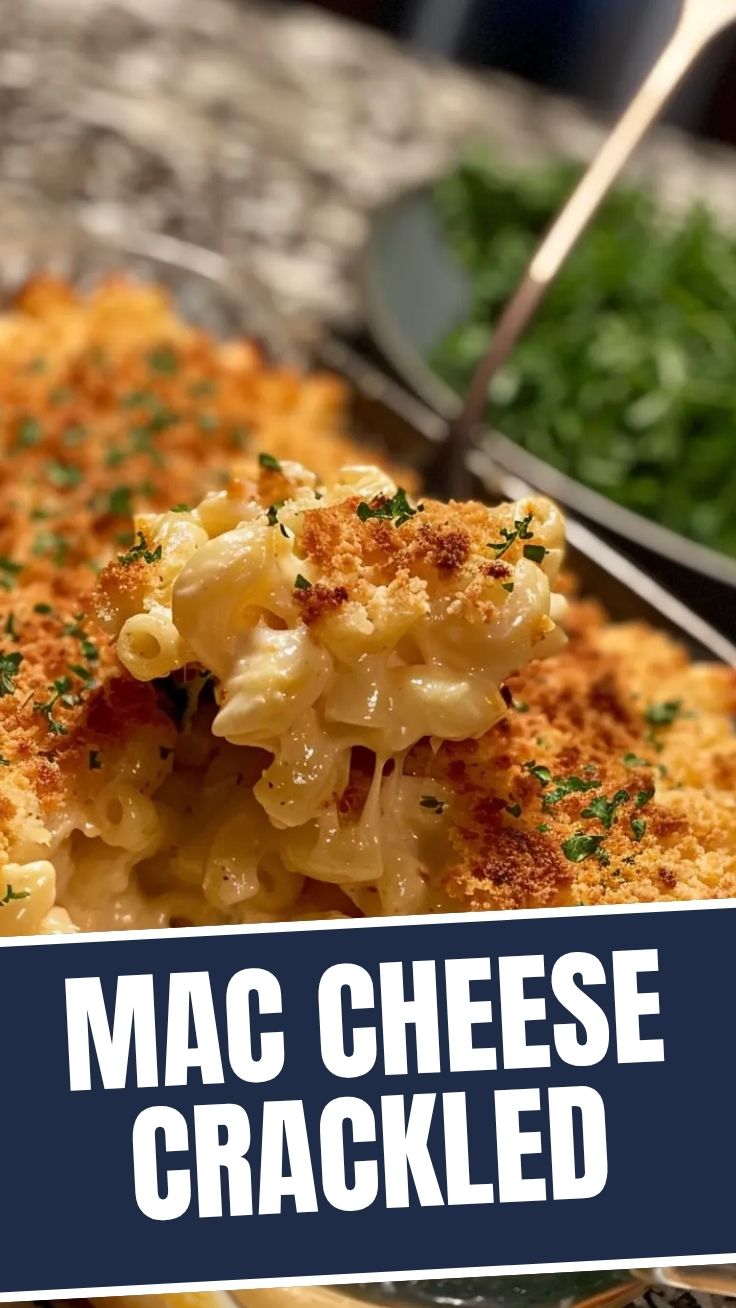
Who can resist the allure of perfectly cooked pasta bathed in a rich, creamy, and golden sauce, all crowned with a crusty, cheesy topping? While store-bought versions offer convenience, there’s an undeniable magic to crafting your own Baked Mac and Cheese at home. Beyond the incredible flavor, preparing this classic comfort food from scratch allows you to control the quality of ingredients, personalize the taste, and truly savor the process. We’re talking about a dish where the luxurious melt of Cheddar cheese plays a starring role, transforming simple macaroni into an indulgent masterpiece. This deep dive into homemade baked mac and cheese will empower you to create a dish that’s not just good, but truly unforgettable.
Ingredients & Kitchen Tools
- Elbow Macaroni (1 pound): The classic choice for mac and cheese, its small, curved shape perfectly cradles the creamy sauce.
- Unsalted Butter (½ cup / 1 stick): Provides richness and acts as the base for the roux.
- All-Purpose Flour (½ cup): Essential for creating the roux, thickening the cheese sauce.
- Whole Milk (4 cups): The creamy foundation of our sauce; whole milk ensures a richer, more luxurious texture. Can substitute with 2% for a slightly lighter version.
- Heavy Cream (1 cup): Adds an extra layer of decadence and silky smooth mouthfeel.
- Sharp Cheddar cheese (4 cups, freshly grated): The star of the show. Grating your own ensures a smoother melt and superior flavor compared to pre-shredded varieties.
- Comté or Gruyère Cheese (2 cups, freshly grated): Adds depth, nuttiness, and a more complex flavor profile.
- Smoked Paprika (1 teaspoon): Offers a subtle smoky warmth and a lovely color.
- Dijon Mustard (1 tablespoon): Don’t skip this! It doesn’t make the dish taste like mustard; instead, it enhances the cheese flavor.
- Nutmeg (½ teaspoon, freshly grated): A classic pairing with cheese sauces, adding a delicate aromatic warmth.
- Salt (to taste): Essential for balancing flavors.
- Black Pepper (to taste, freshly ground): Adds a nice peppery kick.
- Breadcrumbs (1 cup, Panko preferred): For that irresistible crispy topping.
- Parmesan Cheese (½ cup, grated): Mixed with breadcrumbs for extra flavor and crunch.
Kitchen Tools:
- Large Pot: For cooking the macaroni.
- Large Saucepan or Dutch Oven: For making the cheese sauce.
- Whisk: Crucial for a lump-free roux and smooth sauce.
- Grater: For grating fresh cheese.
- 9×13 inch Baking Dish: The ideal size for a generous batch of Baked Mac and Cheese.
- Measuring Cups and Spoons: For accurate ingredient quantities.
Prep Time & Cooking Schedule
- Prep Time: 20 minutes (Includes grating cheese and gathering ingredients)
- Cook Time: 30 minutes (10 minutes for cooking pasta, 10 minutes for sauce, 10 minutes for baking)
- Baking Time: 25-30 minutes
- Resting Time: 10 minutes (Crucial for the sauce to set and prevent it from being too runny)
Plan to start about an hour and a half before you want to serve. The resting time is vital for ensuring your mac and cheese is perfectly set and easy to serve without falling apart.
Step-by-Step Instructions
1. Preheat & Prepare: Preheat your oven to 375°F (190°C). Grease your 9×13 inch baking dish.
2. Cook the Macaroni: Bring a large pot of salted water to a rolling boil. Add the elbow macaroni and cook according to package directions, but al dente (1-2 minutes less than recommended). Drain thoroughly and set aside. Do not rinse the pasta; the residual starch helps the sauce cling.
3. Make the Roux: In your large saucepan or Dutch oven, melt the unsalted butter over medium heat. Once melted, gradually whisk in the all-purpose flour. Cook for 1-2 minutes, stirring constantly, until a light golden paste forms. This is your roux, the base for your creamy sauce.
4. Whisk in Liquids: Slowly pour in the whole milk and heavy cream, whisking continuously to prevent lumps. Bring the mixture to a gentle simmer, still whisking, until it begins to thicken, about 5-7 minutes.
5. Add the Cheese & Seasonings: Remove the saucepan from the heat. Gradually add the freshly grated sharp Cheddar cheese and Comté/Gruyère, stirring until fully melted and smooth. Stir in the smoked paprika, Dijon mustard, and grated nutmeg. Season generously with salt and freshly ground black pepper. Taste and adjust seasonings as needed. This is the heart of your Baked Mac and Cheese!
6. Combine & Bake: Add the cooked, drained macaroni to the cheese sauce and stir gently to ensure every piece is coated. Pour the mixture into the prepared baking dish.
7. Create the Topping: In a small bowl, combine the Panko breadcrumbs and grated Parmesan cheese. Sprinkle evenly over the macaroni.
8. Bake to Perfection: Bake for 25-30 minutes, or until the topping is golden brown and bubbly.
9. Rest & Serve: Remove from oven and let rest for at least 10 minutes before serving. This allows the sauce to set and prevents it from being too loose.
Nutritional Benefits & Advantages
Homemade Baked Mac and Cheese, while indulgent, can offer nutritional benefits. Dairy products like Cheddar cheese are excellent sources of calcium and protein, vital for bone health and muscle repair. Whole milk contributes Vitamin D. By using fresh ingredients, you control the sodium content and avoid artificial flavors often found in processed versions. The carbohydrates from the pasta provide sustained energy, making it a satisfying and comforting meal.
Tips, Variations & Cooking Advice
- Cheese Blends: Don’t limit yourself to just Cheddar! Experiment with Monterey Jack, Colby, or even a touch of cream cheese for extra creaminess.
- Spice it Up: Add a pinch of cayenne pepper or a dash of hot sauce to the cheese sauce for a subtle kick.
- Protein Boost: Stir in cooked, shredded chicken, diced ham, or crispy bacon bits for a heartier meal.
- Veggie Power: Sautéed mushrooms, steamed broccoli florets, or roasted butternut squash can be folded in for added nutrients and flavor.
- Gluten-Free: Use gluten-free elbow macaroni and ensure your flour is a gluten-free all-purpose blend.
- Dairy-Free: This is a more challenging adaptation, but possible with plant-based milks, vegan butter, and nutritional yeast for a cheesy flavor, though the texture will differ.
- Bake or Stovetop: While this recipe is for baked mac and cheese, you can skip the baking step and serve it directly from the pot for a quicker stovetop version.
Common Mistakes to Avoid
Overcooking Pasta: Mushy pasta is a mac and cheese disaster. Cook your macaroni al dente* as it will continue to cook in the oven.
- Lumpy Sauce: Whisk continuously when adding flour to butter (roux) and when adding milk to the roux. A whisk is your best friend here!
- Adding Cold Cheese to Hot Sauce: This can cause the cheese to clump or result in an oily sauce. Remove the sauce from the heat before stirring in the cheese and add it gradually.
- Not Grating Your Own Cheese: Pre-shredded cheeses often contain anti-caking agents that can make your sauce gritty and prevent a smooth melt.
- Not Seasoning Enough: Taste your sauce! Cheese sauces need adequate salt and pepper to truly shine.
- Skipping Resting Time: Rushing to serve can result in a runny dish. Allowing it to rest helps the sauce thicken and set.
Storage & Meal Prep Tips
- Refrigeration: Leftovers can be stored in an airtight container in the refrigerator for up to 3-4 days.
- Freezing: For longer storage, freeze individual portions in airtight containers or freezer-safe bags for up to 2-3 months. Thaw overnight in the refrigerator before reheating.
- Reheating: For best results, reheat in the oven at 300°F (150°C), covered, until warmed through. Alternatively, reheat in the microwave in short bursts, adding a splash of milk to prevent drying out. The sauce may separate slightly when reheated, but stirring will usually bring it back together.
Conclusion
There you have it – the ultimate guide to creating a truly captivating and comforting Baked Mac and Cheese. From mastering the velvety sauce where rich Cheddar cheese truly sings, to achieving that perfect golden crust, every step is designed for culinary success. This dish isn’t just about food; it’s about warmth, memories, and the joy of a homemade classic. We encourage you to roll up your sleeves, experiment with your favorite cheese blends, and make this recipe your own. Share your delicious creations with us, or explore our other comfort food recipes to continue your culinary journey!
FAQs
Q1: Can I make the cheese sauce ahead of time?
A1: Yes, you can prepare the cheese sauce a day in advance. Store it in an airtight container in the refrigerator. Reheat gently over low heat, whisking frequently, and add a splash of milk if it’s too thick before combining with the pasta and baking.
Q2: What if my cheese sauce is lumpy?
A2: If your sauce has a few small lumps, you can try whisking vigorously while it’s warm. For serious lumps, you can carefully strain the sauce through a fine-mesh sieve.
Q3: How can I make my mac and cheese extra creamy?
A3: Ensure you use whole milk and heavy cream. Don’t overcook the pasta, and don’t skip the Dijon mustard or freshly grated nutmeg, which both enhance creaminess and flavor perception. A touch of cream cheese can also boost richness.
Q4: My breadcrumb topping isn’t crispy enough, what went wrong?
A4: Ensure your oven is preheated properly and you’re using Panko breadcrumbs, which are inherently crispier. You can also mix a tablespoon of melted butter with the breadcrumbs and Parmesan before sprinkling to encourage a golden crust. If it’s still not crisp, a quick blast under the broiler for 1-2 minutes (watch carefully!) can help.
Q5: Can I use different types of pasta?
A5: Absolutely! While elbow macaroni is traditional, other short pasta shapes like cavatappi, shell pasta, or rotini work wonderfully, as they also hold the sauce effectively.