Unlock the Ultimate Comfort Food: Your Guide to Perfect Homemade Mac and Cheese
Ever wondered how to achieve that perfectly creamy, irresistibly cheesy Mac and Cheese that tastes even better than your favorite restaurant’s? Forget the boxed stuff; crafting this classic comfort food from scratch is not only incredibly rewarding but allows you to control every delicious detail. In this comprehensive guide, we’ll walk you through creating a dish that’s rich in flavor and nostalgia, exploring everything from the best Cheese recipes to expert tips for a truly unforgettable experience. Get ready to elevate your culinary skills and impress your taste buds!
Ingredients & Kitchen Tools
- Elbow Macaroni (1 lb / 450g): The classic choice for its ability to cradle cheesy sauce, but any small pasta shape works well (e.g., shells, cavatappi).
- Unsalted Butter (1/2 cup / 113g): Forms the base of our roux, providing richness.
- All-Purpose Flour (1/2 cup / 60g): Thickens the sauce, creating a smooth béchamel.
- Whole Milk (4 cups / 940ml), warmed: Crucial for a creamy, lump-free sauce. Warm milk incorporates more smoothly.
- Sharp Cheddar Cheese (4 cups / 450g, freshly grated): The star of the show. Freshly grating prevents anti-caking agents from affecting sauce texture.
- Gruyère Cheese (1 cup / 113g, freshly grated): Adds a nutty, complex depth of flavor. (Substitution: Fontina, white cheddar).
- Parmesan Cheese (1/2 cup / 50g, freshly grated): Contributes a salty, umami kick.
- Dijon Mustard (1 tsp): A secret ingredient! Enhances the cheese flavor without making the dish taste like mustard.
- Nutmeg (1/4 tsp, freshly grated preferred): A surprising but essential spice that complements dairy beautifully.
- Salt (to taste): Season throughout the process.
- Black Pepper (to taste): Freshly ground for best flavor.
- Optional Topping: Panko Breadcrumbs (1 cup), Melted Butter (2 tbsp): For a crispy, golden crust.
- Large Pot: For cooking pasta.
- Large Heavy-Bottomed Saucepan or Dutch Oven: Essential for making the cheese sauce to prevent scorching.
- Whisk: For making a smooth roux and béchamel.
- Wooden Spoon or Spatula: For stirring.
- Colander: For draining pasta.
- Grater: For fresh cheese!
- 9×13 inch Baking Dish: If baking.
Prep Time & Cooking Schedule
- Prep Time: 20 minutes (mostly cheese grating time!)
- Cook Time: 30 minutes (sauce and pasta) + 20-25 minutes (baking, if desired)
- Total Time: 50-75 minutes
Plan to grate your cheeses while your pasta water comes to a boil. This recipe is perfect for a weeknight if you’re quick with your knife and grater, or a relaxing weekend project. Baking adds extra flavor and texture but is optional for a quicker stovetop version.
Step-by-Step Instructions
1. Cook the Macaroni: Bring a large pot of salted water to a rolling boil. Add the elbow macaroni and cook according to package directions until al dente (firm to the bite). Drain well and set aside. Do not rinse the pasta; the starch helps the sauce adhere.
2. Make the Roux: In your large heavy-bottomed saucepan or Dutch oven, melt the unsalted butter over medium heat. Once melted, sprinkle in the all-purpose flour. Whisk continuously for 1-2 minutes until a smooth, pale golden paste forms. This is your roux, the base for thickening.
3. Create the Béchamel: Gradually whisk in the warmed whole milk, a little at a time, ensuring no lumps form. Continue whisking as the sauce simmers and thickens, about 5-7 minutes. It should be thick enough to coat the back of a spoon. Reduce heat to low.
4. Melt the Cheeses: Off the heat, or over very low heat, gradually add the freshly grated sharp cheddar, Gruyère, and Parmesan cheeses, stirring constantly until completely melted and smooth. The key is to add the cheese slowly to prevent the sauce from breaking or becoming grainy. This is where your Mac and Cheese truly comes alive with rich, complex flavors provided by expertly chosen Cheese recipes.
5. Season the Sauce: Stir in the Dijon mustard, nutmeg, salt, and black pepper. Taste and adjust seasonings as needed. Remember, cheese is salty, so add salt incrementally.
6. Combine & Serve (or Bake): Add the cooked macaroni to the cheese sauce and stir gently until every piece is gloriously coated.
* For Stovetop: Serve immediately!
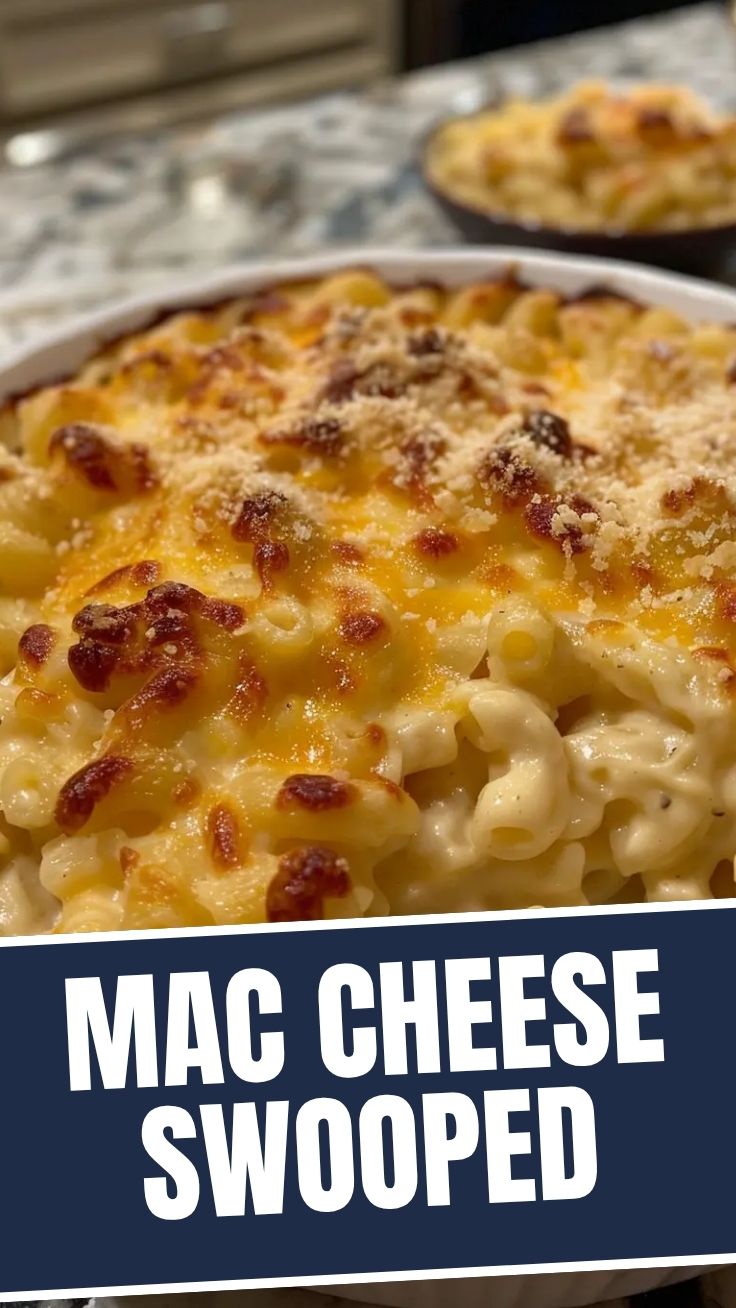
* For Baked: Pour the mixture into your 9×13 inch baking dish. In a small bowl, combine the optional panko breadcrumbs with melted butter and sprinkle evenly over the top. Bake in a preheated oven at 375°F (190°C) for 20-25 minutes, or until bubbly and the topping is golden brown and crispy. Let rest for 5 minutes before serving.
Nutritional Benefits & Advantages
Homemade Mac and Cheese, while an indulgence, can offer more than just comfort. Using whole milk provides calcium and vitamin D, essential for bone health. The variety of cheeses adds protein and beneficial fats. By making it yourself, you control the quality of ingredients, opting for natural, real cheeses over processed alternatives, and avoiding artificial flavors or excessive sodium found in many pre-packaged versions. It’s a satisfying meal that, in moderation, can be part of a balanced diet.
Tips, Variations & Cooking Advice
- Spice It Up: Add a pinch of cayenne pepper or a dash of hot sauce to the cheese sauce for a subtle kick.
- Smoked Flavor: Incorporate smoked paprika or a teaspoon of liquid smoke for a barbecue-inspired twist.
- Veggie Boost: Stir in cooked broccoli florets, peas, or sautéed mushrooms with the pasta.
- Protein Power: Add cooked, shredded chicken, crispy bacon bits, or diced ham.
- Gluten-Free: Use gluten-free elbow macaroni and ensure your flour is certified gluten-free for the roux.
- Dairy-Free: This one is trickier, as the essence is dairy! However, a cashew-based sauce or commercially available dairy-free cheese alternatives can be explored for a similar experience.
- Creamier Sauce: For an even silkier sauce, consider adding a tablespoon of cream cheese or a splash of heavy cream with your milk.
Common Mistakes to Avoid
- Not Grating Your Own Cheese: Pre-shredded cheeses contain anti-caking agents that can make your sauce gritty and prevent smooth melting. Always grate fresh!
- Overcooking Pasta: Mushy pasta leads to a less-than-ideal texture. Cook only until al dente.
- High Heat while Adding Cheese: Adding cheese to a boiling hot sauce will cause it to seize and become oily and grainy. Remove from heat or keep it very low.
- Not Seasoning Enough: Taste your sauce! Cheese varies in saltiness, and proper seasoning elevates the entire dish.
Storage & Meal Prep Tips
- Refrigeration: Store leftover Mac and Cheese in an airtight container in the refrigerator for up to 3-4 days.
- Freezing: For best results, freeze in individual portions. Place cooled Mac and Cheese in freezer-safe containers or bags. It can be frozen for up to 2-3 months. The texture might change slightly upon reheating, becoming a little softer.
- Reheating:
* Microwave: Reheat individual portions on medium power, stirring occasionally, until heated through. Add a splash of milk to help restore creaminess if needed.
* Stovetop: Place leftovers in a saucepan over low heat, adding a splash of milk and stirring periodically until warm and creamy.
* Oven: For larger portions, place in an oven-safe dish, cover with foil, and bake at 300°F (150°C) for 15-20 minutes, or until heated through. Uncover for the last few minutes if you want to crisp up the top.
Conclusion
Mastering homemade Mac and Cheese is a culinary triumph that will reward you with unparalleled comfort and flavor. By following these steps and exploring different Cheese recipes, you’re not just making a meal; you’re crafting an experience. Don’t be afraid to experiment with different cheese blends or seasonings to find your signature version. We encourage you to try this recipe, share your creations, and forever banish bland Mac and Cheese from your kitchen!
FAQs
Q1: Can I use different cheeses?
A1: Absolutely! While cheddar and Gruyère offer a classic balance, experiment with Fontina, smoked gouda, Monterey Jack, or even some blue cheese for a bolder flavor. Ensure they melt well.
Q2: My cheese sauce is lumpy. What did I do wrong?
A2: Lumps often occur if the milk isn’t added gradually or if the sauce is too hot when the cheese is introduced. Whisk vigorously and ensure the heat is low or off when adding cheese.
Q3: How can I make my Mac and Cheese extra creamy?
A3: Ensure your butter-to-flour-to-milk ratio is correct for a smooth béchamel. Adding a tablespoon of cream cheese or heavy cream at the end can also boost creaminess.
Q4: Can I prepare the cheese sauce ahead of time?
A4: You can prepare the béchamel sauce ahead and store it, covered, in the fridge for up to 2 days. Reheat gently over low heat, whisking in a splash of milk if it’s too thick, then add the cheese and pasta.
Q5: Why did my sauce become greasy or separated?
A5: This usually happens if the cheese is added to a sauce that’s too hot, causing the fats to separate from the proteins. Always add cheese off the heat or over very low heat, stirring until just melted.