Elevate Your Holiday Feast: The Ultimate Smoked Turkey Recipe
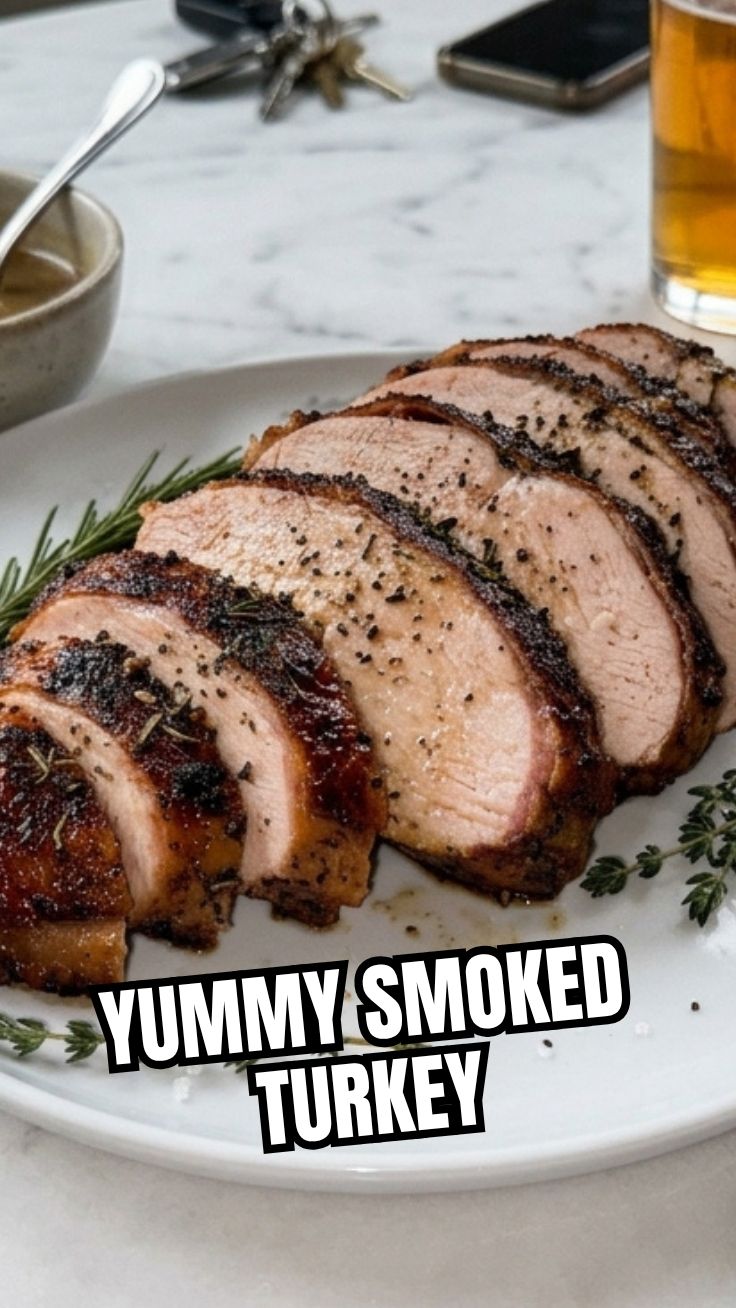
Ever wondered how to transform your holiday centerpiece from merely good to absolutely unforgettable? The secret lies in a method that infuses deep, rich flavors into every succulent bite: smoking. Preparing a Smoked Turkey at home isn’t just about cooking; it’s about crafting an experience, a culinary masterpiece that will leave your guests raving. This comprehensive guide will equip you with everything you need, from mastering the art of Brining Turkey to achieving that perfect smoky aroma and incredibly moist texture. Forget dry, bland birds – get ready to embark on a flavorful journey that will redefine your perception of delicious turkey.
Ingredients & Kitchen Tools
To embark on your smoked turkey adventure, gather these essential items:
- 1 (10-14 lb) Whole Turkey: A fresh or fully thawed turkey is crucial for even smoking.
- ½ cup Kosher Salt: Essential for the brining process, drawing out moisture and enhancing flavor.
- ¼ cup Brown Sugar: Adds a touch of sweetness and helps with browning during brining.
- 1 Gallon Vegetable Broth: Provides a flavorful liquid base for the brine.
- 2 Oranges, halved: Adds a bright, citrusy note to the brine and turkey.
- Large Bunch Fresh Thyme & Rosemary: Aromatic herbs that infuse the brine and cavity with festive flavors.
- 2 Tbsp Black Peppercorns: Adds a subtle peppery kick to the brine.
- 1 Stick Unsalted Butter, melted: For basting, ensuring a golden, crispy skin.
- Wood Chips/Chunks (Apple, Cherry, or Hickory): The heart of your smoked flavor. Apple and cherry offer mild, fruity notes, while hickory is more robust.
- Large Brining Bag or Food-Grade Bucket: Necessary for containing the turkey and brine.
- Meat Thermometer (Leave-in probe recommended): Critical for monitoring internal temperature for food safety and optimal doneness.
- Smoker (Pellet, Electric, or Charcoal): Your chosen smoking apparatus.
- Aluminum Foil Roasting Pan: For catching drippings and easy cleanup.
- Kitchen Twine: To tie the legs together, promoting even cooking.
Prep Time & Cooking Schedule
- Brining Time: 12-24 hours (overnight is ideal)
- Prep Time: 30 minutes (after brining)
- Smoking Time: 4-6 hours (depending on turkey size and smoker temperature)
- Resting Time: 30 minutes
Plan to start your brining process at least a day before you intend to smoke. This extended brining period is crucial for ensuring the turkey remains incredibly moist and flavorful. The smoking time itself will vary, so having a reliable meat thermometer is essential for accurate doneness.
Step-by-Step Instructions
1. Prepare the Brine: In a large stockpot, combine the vegetable broth, kosher salt, brown sugar, orange halves, thyme, rosemary, and peppercorns. Bring to a simmer, stirring until salt and sugar dissolve. Remove from heat and let it cool completely. This step is vital for a successful Brining Turkey.
2. Brine the Turkey: Once the brine is chilled, place the turkey in a large brining bag or food-grade bucket. Pour the cooled brine over the turkey, ensuring it is fully submerged. Seal the bag or cover the bucket and refrigerate for 12-24 hours.
3. Prepare for Smoking: Remove the turkey from the brine and rinse thoroughly under cold water. Pat the turkey completely dry with paper towels – this is crucial for crispy skin. Discard the brine. Tuck the wing tips under the body and tie the legs together with kitchen twine.
4. Preheat Your Smoker: Preheat your smoker to a consistent 225-250°F (107-121°C). Add your chosen wood chips or chunks to the smoker according to the manufacturer’s instructions.
5. Smoke the Turkey: Place the turkey in an aluminum foil roasting pan on the smoker grates, breast-side up. Insert a leave-in meat thermometer into the thickest part of the thigh, avoiding the bone. Close the smoker lid.
6. Baste and Monitor: Smoke for 4-6 hours, or until the internal temperature reaches 165°F (74°C). Every hour, baste the turkey with melted butter to promote a beautiful skin and additional flavor.
7. Rest and Serve the Smoked Turkey: Once the turkey reaches 165°F, carefully remove it from the smoker. Tent loosely with foil and let it rest for at least 30 minutes before carving. Resting allows the juices to redistribute, ensuring an incredibly moist and tender bird.
Nutritional Benefits & Advantages
Turkey is a lean protein powerhouse, and smoking it at home offers numerous benefits. It’s an excellent source of protein, essential for muscle repair and growth, and is often lower in saturated fat compared to other meats. The smoking process itself, while adding flavor, doesn’t typically increase the fat content, making it a healthier alternative to deep-frying. Furthermore, preparing your own turkey allows you to control sodium levels, especially with a homemade brine, avoiding the often-high sodium content of pre-brined or injected turkeys. It’s also rich in B vitamins like niacin and B6, and minerals such as selenium and zinc, which are vital for immune function and overall well-being.
Tips, Variations & Cooking Advice
- Flavor Profiles: Experiment with different wood chips! Apple or cherry wood provide a sweeter, milder smoke, while hickory or pecan offer a more assertive flavor. For a truly unique twist, try adding dried herbs like bay leaves or sage to your wood chips.
- Crispier Skin: For an even crispier skin, increase the smoker temperature to 275-300°F (135-149°C) for the last 30-45 minutes of cooking. Another trick is to rub the turkey generously with a mixture of baking powder and salt before smoking, which helps dry out the skin surface.
- Beyond Brine: If you’re short on time, a dry rub mixture applied generously to the turkey 12-24 hours in advance can also provide fantastic flavor and help tenderize the meat, though it may not achieve the same moisture level as a wet brine.
- Gravy from Drippings: Don’t discard the pan drippings! They are liquid gold for making a smoky, flavorful gravy. Skim off excess fat and use the remaining drippings to create a roux-based gravy.
- Dietary Adaptations: This recipe is naturally gluten-free. For a dairy-free option, substitute a plant-based butter for basting, or use olive oil.
Common Mistakes to Avoid
- Not rinsing the turkey after brining: This will result in an overly salty bird. Always rinse thoroughly.
- Not patting the turkey dry: A wet skin will prevent it from getting crispy and will absorb smoke less effectively.
- Opening the smoker too often: “If you’re looking, you’re not cooking!” Each time you open the smoker door, the temperature drops, extending cooking time and potentially affecting the smoke penetration.
- Not resting the turkey: Skipping the resting step will lead to a dry bird as the juices will run out when carved.
- Trusting visual cues alone: Always use a meat thermometer. A turkey may look done on the outside but be undercooked or overcooked inside.
Storage & Meal Prep Tips
Leftover Smoked Turkey is a treasure! Once cooled, carve the meat off the bone and store it in airtight containers in the refrigerator for up to 3-4 days. For longer storage, portion the cooked turkey into freezer-safe bags or containers and freeze for up to 3 months. To reheat, gently warm in the oven at 300°F (150°C) with a splash of broth to prevent drying, or microwave in short bursts. Smoked turkey is fantastic in sandwiches, salads, quesadillas, or even a hearty soup.
Conclusion
Mastering the art of a perfectly smoked turkey is a truly rewarding culinary experience. From the initial steps of a thoughtfully prepared brine to the patience required during smoking, each stage contributes to an incredibly flavorful and moist bird that will impress even the most discerning palates. By following these detailed instructions and understanding the nuances of Brining Turkey, you’re well on your way to creating a show-stopping Smoked Turkey that will become a cherished tradition. Don’t be afraid to experiment with different wood types and seasonings to truly make this recipe your own. We encourage you to try this ultimate smoked turkey recipe and share your delicious results!
FAQs
Q1: Can I use a frozen turkey directly for brining?
A1: No, the turkey must be completely thawed before brining to ensure proper absorption of the brine and even cooking.
Q2: What if I don’t have a smoker? Can I still achieve a smoky flavor?
A2: While a dedicated smoker is best, you can use a grill by setting it up for indirect heat and adding wood chips in a foil packet with holes or a smoker box. You won’t get the same intense smoke ring, but you’ll get a good smoky essence.
Q3: How do I prevent the turkey skin from becoming rubbery?
A3: Patting the turkey completely dry before smoking is crucial. You can also try increasing the smoker temperature to 275-300°F for the last portion of cooking to crisp up the skin.
Q4: Can I brine the turkey for less than 12 hours?
A4: While less than 12 hours will provide some benefit, 12-24 hours is recommended for optimal flavor penetration and moisture retention, especially for a whole turkey.
Q5: What’s the best way to carve a whole smoked turkey?
A5: After resting, remove the legs and thighs, then carve the breast meat off the bone in long, even slices. Separate the drumsticks from the thighs, and present an appealing platter of both dark and white meat.