Unlocking the Hearty Secret: Why Homemade Lasagna is the Ultimate Comfort Food
Have you ever craved a dish that instantly transports you to a place of warmth, family, and pure culinary bliss? Few meals embody that feeling quite like a perfectly baked Lasagna. This iconic Italian dish, layers of rich pasta, savory meat sauce, creamy béchamel, and melted cheese, isn’t just food; it’s an experience. While store-bought options exist, there’s an undeniable magic in creating this magnificent casserole from scratch. It’s an act of love, a rewarding endeavor that fills your home with incredible aromas and your table with an unforgettable feast. Beyond the taste, preparing homemade lasagna offers a deeper connection to your food, allowing you to control every ingredient and tailor it to your exact preferences.
Ingredients & Kitchen Tools
For the Meat Sauce:
- 2 tablespoons olive oil: For sautéing.
- 1 large onion, chopped: Base flavor.
- 3 cloves garlic, minced: Aromatic essential.
- 1 pound ground beef (85/15 recommended): Or ground Italian sausage for more flavor.
- 1 (28-ounce) can crushed tomatoes: Heart of the sauce.
- 1 (15-ounce) can tomato sauce: Adds depth and consistency.
- 2 tablespoons fresh basil, chopped: Or 1 tablespoon dried basil; fresh is always best.
- 1 teaspoon dried oregano: Classic Italian herb.
- 1/2 teaspoon red pepper flakes (optional): For a subtle kick.
- Salt and black pepper to taste: Seasoning perfection.
For the Béchamel (White Sauce):
- 4 tablespoons unsalted butter: Base for the roux.
- 4 tablespoons all-purpose flour: Thickener.
- 4 cups whole milk, warm: For a smooth sauce.
- 1/2 teaspoon nutmeg, freshly grated: Essential for authentic béchamel.
- Salt and white pepper to taste: Delicate seasoning.
For Assembling:
- 12-15 lasagna noodles (oven-ready or traditional): If using traditional, boil according to package directions.
- 16 ounces ricotta cheese: Creamy layer.
- 1 large egg, lightly beaten: Binds the ricotta.
- 1/2 cup grated Parmesan cheese: For flavor in ricotta mixture and topping.
- 1 pound mozzarella cheese, shredded: Melty goodness.
- Fresh parsley, chopped (for garnish): Adds freshness and color.
Kitchen Tools:
- Large skillet or Dutch oven: For meat sauce.
- Medium saucepan: For béchamel.
- 9×13 inch baking dish: The perfect size for a family lasagna.
- Whisk: For béchamel.
- Spatula: For stirring.
- Cheese grater: For fresh Parmesan (highly recommended).
Prep Time & Cooking Schedule
- Prep Time: 45 minutes (mostly for chopping and sauce preparation).
- Cook Time: 50-60 minutes (approximately 30-40 minutes covered, 20 minutes uncovered).
- Resting Time: 15-20 minutes after baking (crucial for setting the layers and easy slicing).
This dish requires a bit of upfront effort, but much of it can be done in stages. You can prepare the meat sauce a day in advance, or even the entire assembled lasagna can be refrigerated overnight before baking. This makes it an ideal meal for entertaining or for busy weeknights when you want a comforting, homemade dinner waiting for you.
Step-by-Step Instructions
1. Start the Meat Sauce: In a large skillet or Dutch oven, heat olive oil over medium-high heat. Add chopped onion and sauté until softened, about 5-7 minutes. Stir in minced garlic and cook for another minute until fragrant.
2. Brown the Meat: Add ground beef (or sausage) to the skillet, breaking it up with a spoon. Cook until browned, then drain any excess fat. Stir in crushed tomatoes, tomato sauce, basil, oregano, and red pepper flakes (if using). Season with salt and pepper. Bring to a simmer, then reduce heat to low, cover, and let it gently simmer for at least 30 minutes, or up to an hour, allowing the flavors to meld beautifully.
3. Prepare the Béchamel: While the sauce simmers, melt butter in a medium saucepan over medium heat. Whisk in flour and cook for 1-2 minutes, forming a roux. Gradually whisk in warm milk until smooth. Bring to a gentle boil, then reduce heat and simmer, whisking constantly, until the sauce thickens to a pourable consistency (about 5-7 minutes). Stir in nutmeg, salt, and white pepper.
4. Prepare Ricotta Mixture: In a medium bowl, combine ricotta cheese, beaten egg, and 1/4 cup of the grated Parmesan cheese. Season lightly with salt and pepper.
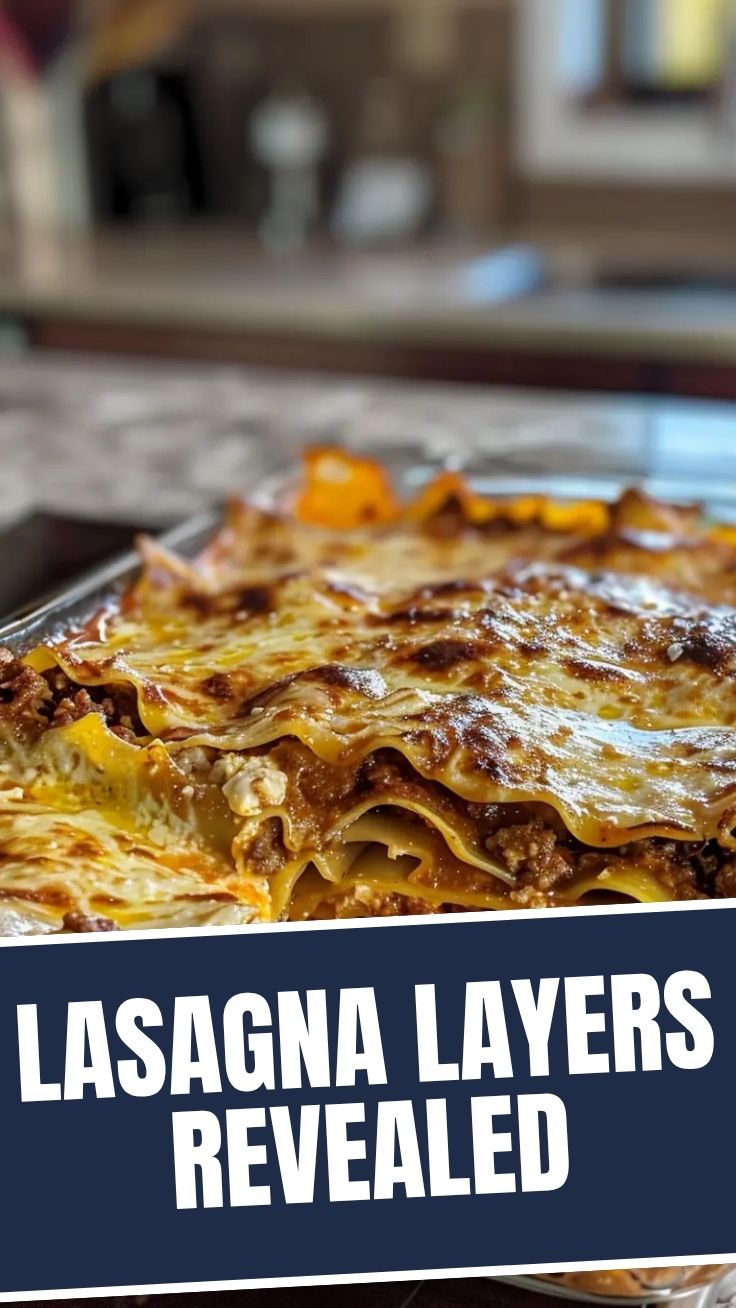
5. Assemble the Lasagna: Preheat oven to 375°F (190°C). Spread a thin layer of meat sauce on the bottom of a 9×13 inch baking dish. Arrange a single layer of lasagna noodles over the sauce (break them if necessary to fit). Spread half of the ricotta mixture over the noodles, then layer with about one-third of the remaining meat sauce, followed by a generous sprinkle of shredded mozzarella. Drizzle with some béchamel. Repeat this layering: noodles, remaining ricotta, meat sauce, mozzarella, béchamel. For the final layer, place noodles, top with the remaining meat sauce, then evenly spread the rest of the béchamel. Finish with a generous sprinkle of mozzarella and the remaining Parmesan cheese. This layered casserole is now ready for the oven!
6. Bake: Cover the baking dish tightly with aluminum foil. Bake for 30-40 minutes. Remove the foil and bake for another 20 minutes, or until the cheese is bubbly and golden brown.
7. Rest and Serve: Let the lasagna rest for 15-20 minutes before slicing and serving. This allows the layers to set and prevents a messy collapse. Garnish with fresh parsley.
Nutritional Benefits & Advantages
This homemade Lasagna is more than just delicious; it offers a balanced meal. The meat sauce provides essential protein and iron, while the tomatoes are rich in lycopene, a powerful antioxidant. Dairy products like ricotta, mozzarella, and béchamel contribute calcium for strong bones and additional protein. Using fresh vegetables like onions and garlic adds vitamins and fiber. By making it at home, you avoid the high sodium and preservatives often found in pre-made versions, allowing for a healthier and more wholesome dish.
Tips, Variations & Cooking Advice
- Spice It Up: Add a pinch more red pepper flakes to the meat sauce for a spicier kick.
- Vegetarian Option: Omit the meat and incorporate layers of sautéed spinach, mushrooms, zucchini, or roasted bell peppers for a delicious vegetarian lasagna.
- Herb Power: Experiment with other fresh herbs like thyme or rosemary in the meat sauce.
- Gluten-Free: Use gluten-free lasagna noodles for a dietary adaptation.
- Dairy-Free: Substitute dairy-free ricotta, mozzarella, and butter/milk alternatives for a dairy-free variation.
- Make Ahead: Assembled lasagna can be refrigerated for up to 2 days before baking. For longer storage, freeze unbaked lasagna, wrapped tightly, for up to 3 months. Thaw in the refrigerator overnight before baking.
Common Mistakes to Avoid
- Not Resting the Lasagna: Slicing immediately after baking will result in a messy, collapsing dish. The resting period allows the cheese and sauces to set.
- Overcooking Noodles: If using traditional noodles, don’t overcook them; they will continue to soften in the oven.
- Too Much Sauce/Too Little Sauce: A balanced ratio of all components is key. Too much liquid can make it watery, too little dry.
- Not Seasoning Layers: Remember to season each component (meat sauce, ricotta mixture, béchamel) for optimal flavor throughout.
Storage & Meal Prep Tips
Leftover Lasagna stores incredibly well. Place cooled portions in airtight containers and refrigerate for up to 3-4 days. For longer storage, individual portions can be frozen for up to 2-3 months. To reheat, thaw frozen portions in the refrigerator overnight. Reheat in the microwave until warmed through, or in a preheated oven at 350°F (175°C) for about 20-30 minutes, covered, until bubbly. A few drops of water or broth added before reheating can help keep it moist.
Conclusion
Crafting a homemade Lasagna is a culinary journey that culminates in a dish of unparalleled comfort and flavor. While it requires a bit of time and effort, the reward of a rich, layered, and utterly satisfying casserole is immeasurable. From the simmering meat sauce to the creamy béchamel, every component contributes to a symphony of tastes and textures that will undoubtedly impress your family and friends. We encourage you to embark on this delicious adventure, savor the process, and share your delightful creations with us!
FAQs
Q1: Can I use no-boil lasagna noodles?
A1: Yes, absolutely! No-boil noodles can save time. Just ensure there’s enough moisture in your sauces, as they absorb more liquid during baking.
Q2: My béchamel sauce is lumpy. What went wrong?
A2: Lumps usually occur if the milk is added too quickly or if it’s not warm. Whisk vigorously or, if necessary, pass it through a fine-mesh sieve.
Q3: How do I prevent my lasagna from being too watery?
A3: Ensure your meat sauce has simmered long enough to reduce excess liquid. Also, drain excess liquid from any vegetables you might add (like spinach). Resting the lasagna is also crucial!
Q4: Can I freeze the meat sauce ahead of time?
A4: Yes, the meat sauce freezes beautifully. Store it in an airtight container for up to 3 months, then thaw and use when ready to assemble your lasagna.
Q5: What’s the best cheese blend for lasagna?
A5: While mozzarella and Parmesan are classic, you can experiment with provolone, fontina, or even a touch of Pecorino Romano for a sharper flavor.