Master the Art of Mouthwatering BBQ Ribs at Home
Ever wondered if you could replicate the smoky, tender perfection of restaurant-quality BBQ ribs in your own kitchen? The answer is a resounding yes! There’s an undeniable satisfaction that comes from mastering a dish like BBQ Ribs from scratch, especially when you consider the quality control and personalized flavor profiles you can achieve. This comprehensive guide will walk you through every step of creating exceptionally flavorful ribs, perfect for any gathering or a delicious family meal. Whether you’re a seasoned pitmaster or just starting your grilling journey, our detailed instructions and expert tips will ensure your ribs are fall-off-the-bone tender and bursting with savory goodness. Get ready to impress!
Ingredients & Kitchen Tools
- 2 racks (about 4-5 lbs) pork spare ribs or baby back ribs: Choose meaty ribs with good marbling for optimal flavor and tenderness. Spare ribs are larger and fattier, baby backs are leaner and more tender.
- For the Dry Rub:
* 2 tbsp brown sugar (packed): Adds sweetness and aids in caramelization.
* 1 tbsp smoked paprika: Provides a rich, smoky flavor and vibrant color.
* 1 tbsp garlic powder: Enhances savory notes.
* 1 tbsp onion powder: Adds depth of flavor.
* 1 tsp black pepper: For a touch of heat and aroma.
* 1 tsp cayenne pepper (optional): For a subtle kick.
* 1 tsp salt: Essential seasoning.
- For the Mop/Braiding Liquid (Optional but recommended for extra moisture):
* 1 cup apple cider vinegar: Adds tang and helps tenderize.
* 1/2 cup apple juice: For sweetness and moisture.
- Your favorite BBQ sauce: For basting and serving. Homemade or store-bought, choose one you love!
- Kitchen Tools:
* Large baking sheet with wire rack: For even cooking and airflow.
* Aluminum foil: For wrapping during the cooking process.
* Basting brush: For applying sauce.
* Sharp knife: For trimming ribs.
* Parchment paper (optional): For easier cleanup.
* Instant-read thermometer (optional but recommended): For checking internal temperature.
Prep Time & Cooking Schedule
- Prep Time: 20-30 minutes (includes membrane removal and dry rub application)
- Marinating Time (Optional): 2-12 hours (for deeper flavor penetration)
- Cooking Time: 3-5 hours (depending on rib type and cooking method)
- Resting Time: 15-20 minutes (crucial for juicy ribs)
Plan to start your ribs well in advance of your mealtime, as this low-and-slow method requires patience. An overnight dry brine is highly recommended for maximum flavor.
Step-by-Step Instructions
1. Prepare the Ribs: Remove the thin membrane from the back of each rib rack. This is crucial for tender ribs; slide a knife under one corner, grip with a paper towel, and pull it off. Trim any excess fat.
2. Apply the Dry Rub: In a small bowl, combine all dry rub ingredients. Generously coat both sides of the ribs with the rub, massaging it in thoroughly. For best results, cover and refrigerate for at least 2 hours, or ideally overnight.
3. Pre-heat Your Grill/Oven: For BBQ Ribs, preheat your grill for indirect heat to hold a consistent temperature of 225-250°F (107-120°C). If using an oven, preheat to 275°F (135°C).
4. First Cook (Smoking/Baking): Place the ribs directly on the grill grates or on a wire rack over a baking sheet (meat-side up). Cook for 2-3 hours, maintaining a low temperature. This phase develops flavor and tenderness. If using a mop, baste every hour.
5. Second Cook (Foil Wrap): After the initial cook, the ribs should have a nice bark. Wrap each rack tightly in heavy-duty aluminum foil, adding a splash of apple juice or cider vinegar inside the foil packet for extra moisture. Return to the grill or oven for another 1.5-2 hours, until tender. The internal temperature for fully cooked ribs should be around 195-205°F (90-96°C) for optimal tenderness.
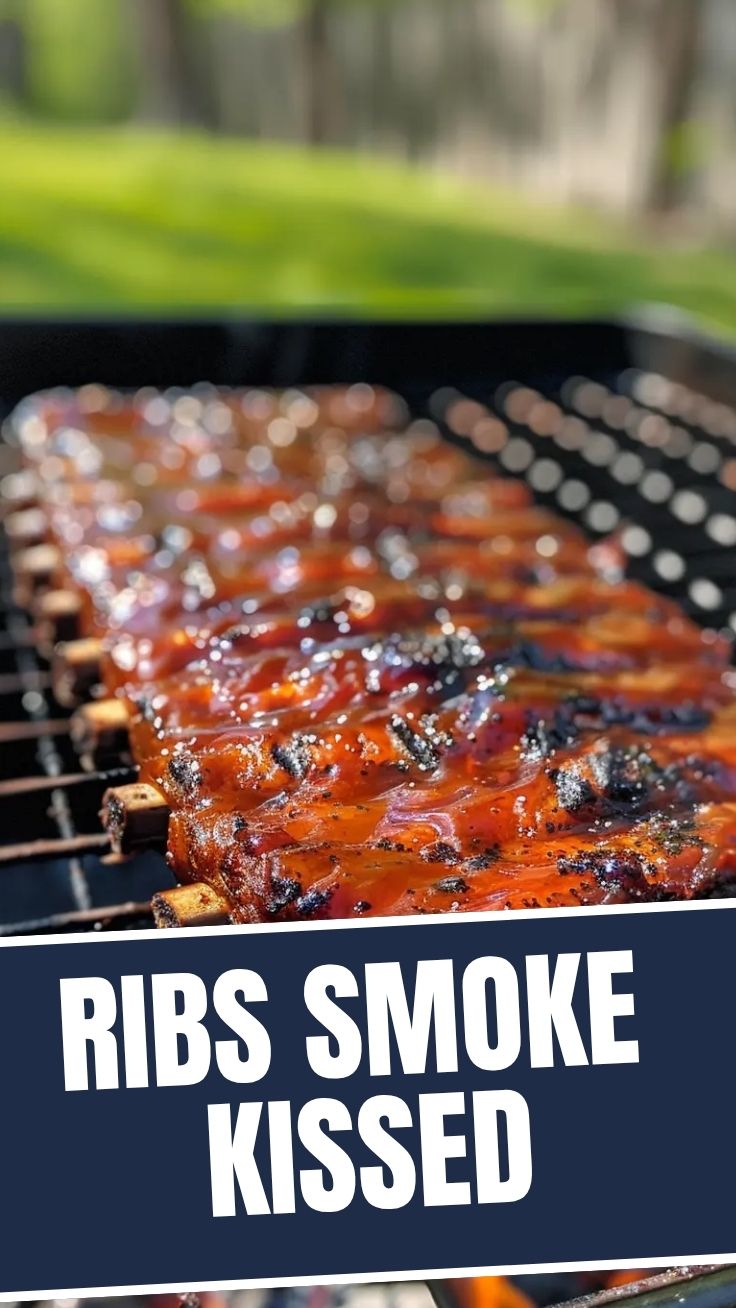
6. Third Cook (Sauce & Glaze): Carefully unwrap the ribs. Drain any accumulated liquid. Slather both sides generously with your favorite BBQ sauce. Return the unwrapped ribs to the grill or oven (if grilling, move to direct heat for a few minutes if desired, watching carefully to prevent burning) for 15-20 minutes, or until the sauce is caramelized and sticky.
7. Rest and Serve: Remove the ribs from the heat, tent loosely with foil, and let them rest for 15-20 minutes before slicing. This allows the juices to redistribute, ensuring juicy ribs.
Nutritional Benefits & Advantages
Pork ribs, when prepared correctly, can be a great source of protein, essential for muscle repair and growth. They also provide B vitamins like B12, important for energy metabolism, and minerals such as phosphorus and zinc. While often considered indulgent, controlling the amount of sauce and opting for leaner cuts can make them a more balanced meal. The slow cooking process can also make the meat more digestible.
Tips, Variations & Cooking Advice
- Smoky Flavor: Add wood chips (hickory, apple, pecan) to your grill for an authentic smoke flavor. Soak them in water for 30 minutes before adding to hot coals or a smoker box.
- Spice Level: Adjust cayenne pepper in the rub to your preference. For extra heat, add a pinch of red pepper flakes to your BBQ sauce.
- Sweetness: Vary the amount of brown sugar in the rub or add a touch of honey or maple syrup to your BBQ sauce for sweeter ribs.
- Oven Method: Don’t have a grill? You can achieve fantastic results in the oven. Follow the same three-stage cooking method, simply using your oven for all steps.
- Dietary Adaptations: For a gluten-free option, ensure your dry rub and BBQ sauce are certified gluten-free. Most common ingredients are naturally GF, but always check labels.
Common Mistakes to Avoid
- Not removing the membrane: This tough silver skin prevents the rub from penetrating and results in chewy ribs. Don’t skip this step!
- Cooking at too high a temperature: Ribs need low and slow cooking to become tender. Rushing them leads to dry, tough meat.
- Over-saucing too early: Sauce burns easily. Apply it only during the last 15-20 minutes of cooking for a beautiful glaze.
- Not letting them rest: Cutting into ribs immediately after cooking will cause all the delicious juices to run out. Patience is a virtue here!
- Using too little rub: Don’t be shy! A generous layer of rub is key to flavorful ribs.
Storage & Meal Prep Tips
Leftover BBQ Ribs can be stored in an airtight container in the refrigerator for up to 3-4 days. To freeze, wrap individual portions tightly in plastic wrap and then in foil, storing for up to 3 months. To reheat, wrap in foil and warm in a 300°F (150°C) oven until heated through, or gently microwave. Reheating slowly helps maintain tenderness and prevents drying out. These are excellent for meal prep, as cooked ribs can be easily portioned and reheated for quick meals throughout the week.
Conclusion
Mastering the art of delicious, tender BBQ Ribs is a rewarding culinary journey that promises incredibly satisfying results. By following these detailed steps for proper preparation, low-and-slow cooking, and careful finishing, you’ll consistently create ribs that are the highlight of any meal. Don’t shy away from the grilling process; embrace it, and you’ll be enjoying perfectly cooked ribs that rival any smokehouse. We encourage you to try this recipe, experiment with your favorite rub and sauce combinations, and share your mouthwatering results with us! Happy cooking!
FAQs
Q1: How do I know when the ribs are done?
A1: The most reliable indicator is tenderness. When gently picked up with tongs, the rack should bend significantly and the meat should start to pull away from the bone. An instant-read thermometer should register 195-205°F (90-96°C).
Q2: Can I substitute other types of ribs?
A2: Yes, you can use beef ribs, but the cooking times will vary and they may require longer, lower temperature cooking. Lamb ribs are also an option but are smaller and cook much faster.
Q3: My ribs turned out dry, what went wrong?
A3: This usually happens from cooking at too high a temperature or cooking for too long without enough moisture. Ensure your cooking temperature is consistently low (225-275°F) and consider adding liquid to the foil wrap stage.
Q4: Can I make the dry rub in advance?
A4: Absolutely! You can mix the dry rub ingredients and store them in an airtight container for several weeks, ready to use whenever the craving for ribs strikes.
Q5: What’s the best way to get a smoky flavor without a smoker?
A5: You can use liquid smoke (sparingly, as it’s potent) in your mop or BBQ sauce. Alternatively, a smoked paprika in the dry rub will impart a subtle smoky essence.