Mastering the Marinated Turkey Tenderloin: Your Guide to Juicy Perfection
Ever wondered how to transform a simple cut of meat into a succulent, flavor-packed centerpiece? Look no further! This blog post will guide you through crafting a delicious Turkey Tenderloin that will impress even the most discerning palates. Preparing this dish at home isn’t just about saving money; it’s about controlling the ingredients, experimenting with flavors, and creating a truly personalized culinary experience. While it makes for a fantastic weeknight meal, it also offers a delightful alternative to traditional Thanksgiving Turkey Recipes. Get ready to elevate your cooking game and enjoy a lean, flavorful protein that’s both healthy and satisfying.
Ingredients & Kitchen Tools
Crafting the perfect turkey tenderloin requires a few key ingredients and tools. Here’s what you’ll need:
- Turkey Tenderloin (1.5-2 lbs): The star of our dish, a lean and versatile cut. Ensure it’s thawed if frozen.
- Olive Oil (2 tbsp): Binds the marinade and helps with browning. Extra virgin for flavor.
- Garlic (3-4 cloves, minced): Adds a pungent, aromatic base. Fresh is always best.
- Fresh Rosemary (1 tbsp, chopped): Earthy and piney, it pairs wonderfully with poultry.
- Fresh Thyme (1 tbsp, chopped): Lemony and floral notes complement the rosemary.
- Lemon Juice (1 tbsp): Brightens flavors and tenderizes the meat. Freshly squeezed for optimal taste.
- Dijon Mustard (1 tsp): Adds a tangy, slightly spicy depth to the marinade.
- Salt (1 tsp) & Black Pepper (½ tsp): Essential seasonings to enhance all flavors. Adjust to taste.
- Optional Substitutions: Experiment with other herbs like sage or oregano, or use apple cider vinegar instead of lemon juice for a different tang.
Kitchen Tools:
- Large Ziploc Bag or Shallow Dish: For marinating the tenderloin.
- Meat Thermometer: Crucial for ensuring the turkey is cooked to a safe internal temperature (165°F/74°C).
- Oven-Safe Skillet (Cast Iron Recommended) or Baking Dish: For searing and roasting.
- Tongs: For handling the meat during searing.
- Cutting Board & Sharp Knife: For slicing the cooked tenderloin.
Prep Time & Cooking Schedule
- Prep Time: 15 minutes (active)
- Marinating Time: 30 minutes (minimum) to 4 hours (for deeper flavor). You can even marinate overnight!
- Cook Time: 20-30 minutes (depending on thickness)
- Resting Time: 10 minutes
Plan to start your marinade at least an hour before you intend to cook, ideally longer. The resting time after cooking is non-negotiable for juicy results, so factor that into your meal timing.
Step-by-Step Instructions
1. Prepare the Marinade: In your Ziploc bag or shallow dish, combine olive oil, minced garlic, chopped rosemary, chopped thyme, lemon juice, Dijon mustard, salt, and black pepper. Mix well.
2. Marinate the Turkey: Add the Turkey Tenderloin to the marinade, ensuring it’s fully coated. Seal the bag or cover the dish and refrigerate for at least 30 minutes, or up to 4 hours. This step is crucial for infusing flavor and tenderizing the meat, a technique often used in exceptional Thanksgiving Turkey Recipes.
3. Preheat Oven & Skillet: Preheat your oven to 400°F (200°C). If using a cast-iron skillet, place it in the oven during preheating.
4. Sear the Tenderloin: Remove the turkey from the marinade (discard excess marinade). Heat 1 tablespoon of olive oil in an oven-safe skillet over medium-high heat on the stovetop. Once hot, sear the turkey tenderloin for 2-3 minutes per side until beautifully browned.
5. Roast to Perfection: Transfer the skillet to the preheated oven. Roast for 15-20 minutes, or until an internal temperature of 165°F (74°C) is reached when measured with a meat thermometer at the thickest part.
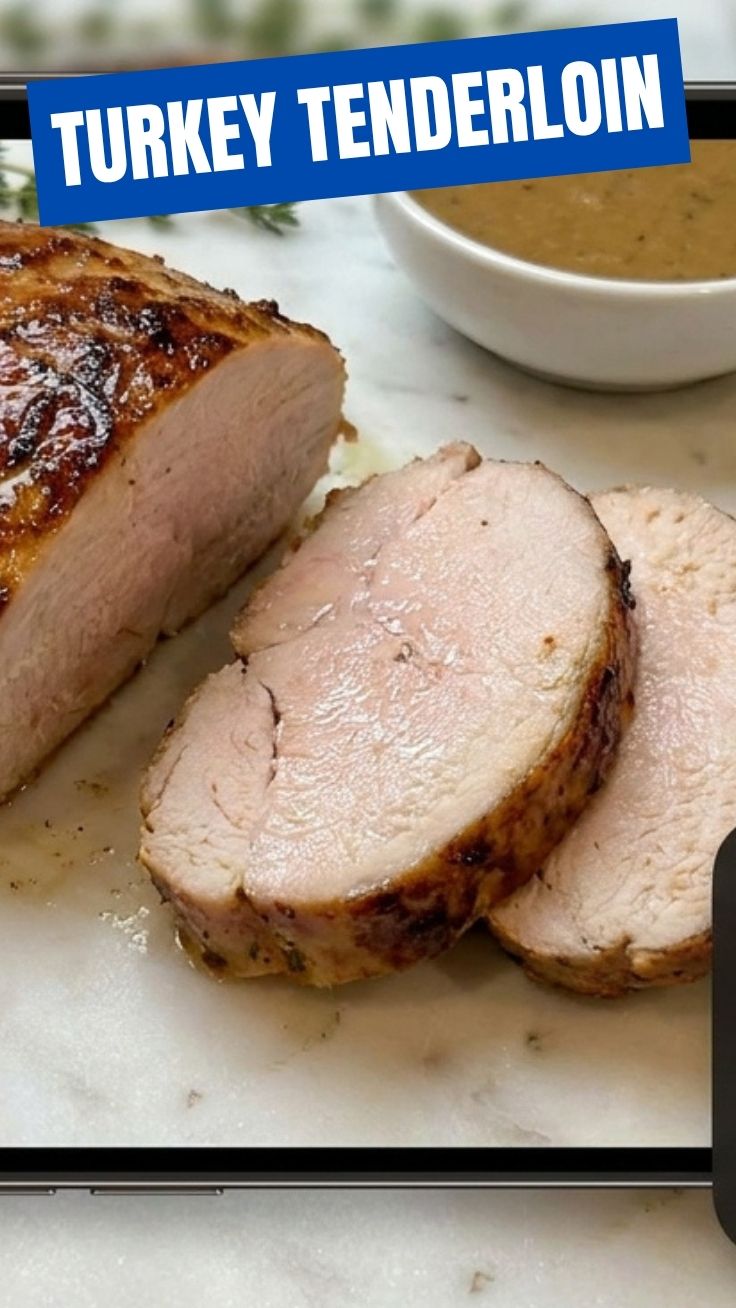
6. Rest and Slice: Remove the tenderloin from the oven and transfer it to a cutting board. Tent loosely with foil and let it rest for 10 minutes. This allows the juices to redistribute, ensuring a tender, moist result. Slice against the grain into ½-inch thick medallions. Serve immediately.
Nutritional Benefits & Advantages
Turkey is a lean protein powerhouse, and the tenderloin cut is particularly beneficial. It’s an excellent source of essential amino acids critical for muscle repair and growth, making it a favorite among health-conscious individuals. Rich in B vitamins (especially B6 and B12), selenium, and zinc, it supports energy metabolism, immune function, and thyroid health. Compared to other meats, turkey tenderloin is low in saturated fat, contributing to cardiovascular health. It’s a fantastic option for a balanced diet and a wholesome alternative to red meat.
Tips, Variations & Cooking Advice
- Flavor Boosts: Add a pinch of smoked paprika for a subtle smoky flavor, or a teaspoon of honey for a touch of sweetness that balances the savory herbs.
- Alternative Cooking Methods: This recipe can also be adapted for grilling! Cook over medium-high heat, turning occasionally, until the internal temperature reaches 165°F.
- Dietary Adaptations: This recipe is naturally gluten-free and dairy-free. For a low-sodium version, reduce the amount of salt used.
- Pairings: Serve with roasted vegetables, a fresh salad, quinoa, or mashed sweet potatoes.
Common Mistakes to Avoid
- Not Marinating Long Enough: Short marination times lead to less flavorful and potentially tougher meat. Allow at least 30 minutes.
- Overcooking: The most common mistake! Turkey tenderloin is lean and dries out quickly. Always use a meat thermometer and remove it promptly at 165°F (74°C).
- Skipping the Resting Time: Resting is vital! Without it, juices will seep out when you slice, leaving your meat dry.
- Cutting with the Grain: Always slice against the grain for the most tender bites.
Storage & Meal Prep Tips
Store leftover cooked turkey tenderloin in an airtight container in the refrigerator for up to 3-4 days. For longer storage, freeze in a freezer-safe bag or container for up to 2-3 months. Thaw frozen turkey in the refrigerator overnight. To reheat, gently warm in a microwave or oven (covered with a splash of broth to prevent drying) until just heated through. Avoid over-reheating, which can make the meat tough.
Conclusion
Mastering the marinated Turkey Tenderloin is a culinary triumph that’s both accessible and incredibly rewarding. By following these steps, you’ve created a truly flavorful and healthy meal, perfect for any day of the week. This recipe serves as a wonderful alternative to traditional Thanksgiving Turkey Recipes, proving that poultry can be exciting and versatile beyond the holidays. We encourage you to try this recipe and share your delicious results! What herbs will you experiment with first?
FAQs
Q1: Can I use dried herbs instead of fresh?
A1: Yes, you can. As a general rule, use one-third of the amount of dried herbs compared to fresh (e.g., 1 tsp dried rosemary for 1 tbsp fresh).
Q2: What if I don’t have an oven-safe skillet?
A2: You can sear the turkey in a regular skillet on the stovetop, then transfer it to a baking dish to finish cooking in the oven.
Q3: How do I know when the turkey tenderloin is perfectly cooked?
A3: The only foolproof way is to use a meat thermometer. Insert it into the thickest part of the tenderloin; it should read 165°F (74°C).
Q4: Can I prepare this recipe ahead of time for meal prep?
A4: Absolutely! Cooked turkey tenderloin is excellent for meal prep. Slice it and portion it with your favorite sides for healthy meals throughout the week.
Q5: My turkey tenderloin turned out a bit dry. What went wrong?
A5: Overcooking is the most common culprit. Ensure you’re using a meat thermometer and removing the turkey from the heat as soon as it reaches 165°F, followed by letting it rest properly.