Unlock the Secret to the Perfect Roasted Chicken: Your Weekend Culinary Triumph Awaits!
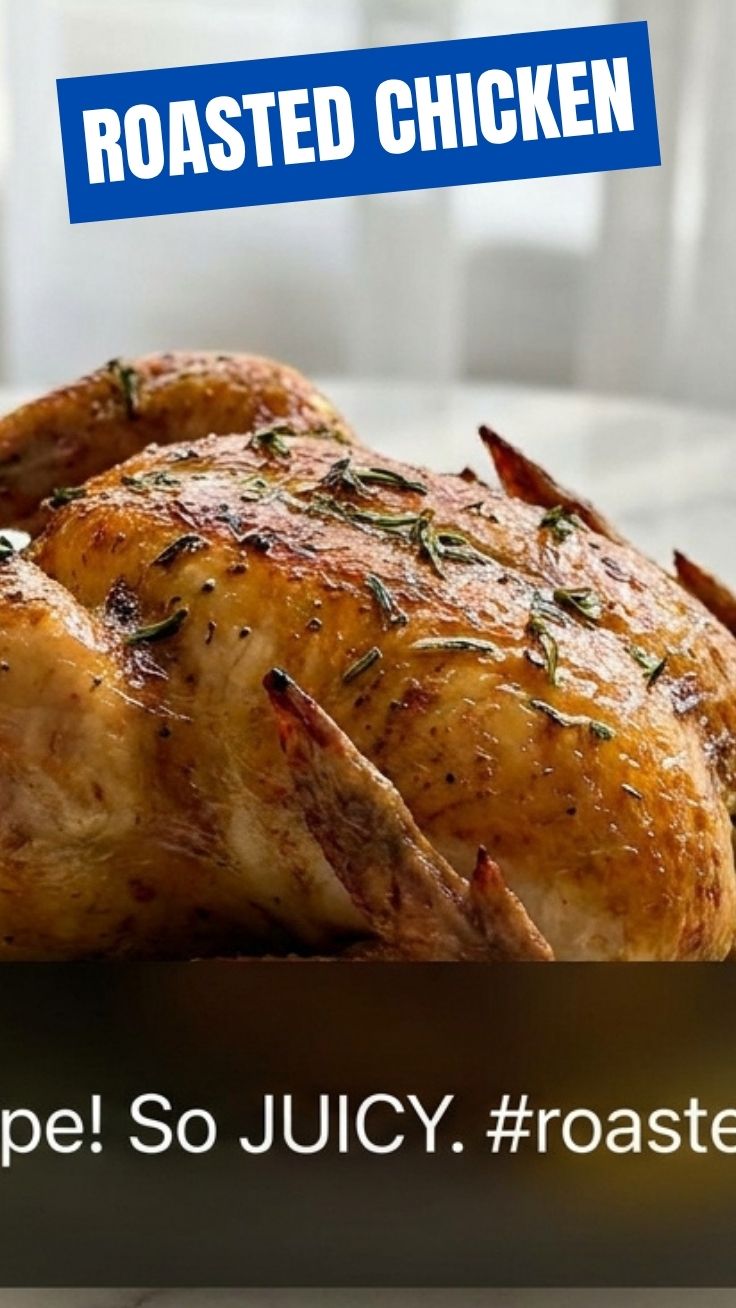
Tired of dry, uninspiring chicken? Imagine a centerpiece that’s not only incredibly flavorful but also surprisingly simple to create in your own kitchen. Mastering the art of a succulent Roasted Chicken isn’t just about cooking; it’s about elevating your home dining experience, impressing guests, and building confidence in your culinary skills. This comprehensive guide will walk you through every step to achieve that perfectly crispy skin and juicy meat, becoming one of your go-to Easy Chicken Recipes.
Ingredients & Kitchen Tools
- Whole Chicken (3-4 lbs): Opt for a fresh, free-range chicken for best flavor and texture.
- Lemons (2 large): Zested and quartered; provides bright, acidic notes and aromatic steam.
- Fresh Rosemary (3 sprigs): Woody and fragrant; classic pairing with chicken.
- Fresh Thyme (1 bunch): Earthy and peppery; complements rosemary beautifully.
- Garlic (1 whole head): Cut in half horizontally; mellows and sweetens when roasted.
- Unsalted Butter (1/2 cup, softened): Essential for crispy skin and rich flavor. Can substitute with olive oil for a dairy-free option.
- Olive Oil (2 tablespoons): For massaging the exterior and promoting even browning.
- Salt (1-2 tablespoons, coarse sea salt or kosher salt): Crucial for seasoning and drawing out moisture for crispiness.
- Black Pepper (1 tablespoon, freshly ground): Adds a subtle kick.
- Onion (1 large, quartered): Provides a fragrant bed for the chicken and adds flavor to the drippings.
- Carrots (2-3 large, roughly chopped): Sweetens the pan drippings and can be roasted alongside.
- Celery Stalks (2-3, roughly chopped): Adds aromatic depth to the roasting pan.
- Roasting Pan with Rack: Essential for air circulation and preventing the bottom of the chicken from getting soggy.
- Meat Thermometer: The key to perfectly cooked, safe chicken.
- Butcher’s Twine (optional): For trussing the chicken, promoting even cooking.
- Basting Brush (optional): For applying pan drippings.
Prep Time & Cooking Schedule
- Prep Time: 20-30 minutes (includes zesting, chopping, and seasoning).
- Optional Marinating Time: 2-4 hours or overnight in the refrigerator for deeper flavor infusion (pat dry thoroughly before roasting).
- Cooking Time: 1 hour 15 minutes to 1 hour 45 minutes, depending on the size of the chicken and your oven. A 3-4 lb chicken typically takes around 1.5 hours.
- Resting Time: 10-15 minutes. This crucial step allows juices to redistribute, ensuring a tender, succulent bird. Plan this into your meal timing – resist the urge to cut into it immediately!
Step-by-Step Instructions
1. Prepare the Chicken: Remove the chicken from its packaging. Pat it thoroughly dry inside and out with paper towels. This is critical for crispy skin! Remove giblets from the cavity.
2. Make the Herb Butter: In a small bowl, combine softened butter, lemon zest, 1 tablespoon of salt, 1/2 tablespoon of pepper, and finely chopped rosemary and thyme leaves. Mix until well combined.
3. Season the Chicken: Gently loosen the skin over the breast and thighs with your fingers. Carefully spread about half of the herb butter mixture underneath the skin. Rub the remaining herb butter all over the exterior of the chicken. Drizzle with olive oil, then season generously with the remaining salt and pepper.
4. Stuff the Cavity: Place the lemon quarters, garlic halves, and remaining rosemary and thyme sprigs inside the chicken cavity.
5. Prepare the Roasting Pan: Scatter the quartered onion, chopped carrots, and celery stalks in the bottom of your roasting pan. Place the chicken on a roasting rack set within the pan, breast-side up. (Optional: Truss the chicken’s legs together with butcher’s twine for more even cooking and a neater presentation).
6. Roast to Perfection: Preheat your oven to 425°F (220°C). Roast the chicken for 20-25 minutes, then reduce the oven temperature to 375°F (190°C). Continue roasting for another 55-75 minutes, or until a meat thermometer inserted into the thickest part of the thigh (without touching bone) reads 165°F (74°C). For the perfect Roasted Chicken, ensure the skin is golden brown and crackling. Basting occasionally with pan drippings can help with browning, but avoid opening the oven too frequently.
7. Rest and Serve: Once cooked, remove the chicken from the oven and transfer it to a cutting board. Tent loosely with foil and let it rest for 10-15 minutes. This step is vital to retain its juiciness, making it one of the most satisfying Easy Chicken Recipes you’ll make. Carve and serve with the roasted vegetables and pan drippings.
Nutritional Benefits & Advantages
A perfectly roasted chicken offers a wealth of nutritional goodness. Chicken is an excellent source of lean protein, essential for muscle repair, growth, and overall bodily function. It also provides important B vitamins (niacin, B6, B12) which are crucial for energy metabolism, as well as selenium, an antioxidant, and phosphorus for bone health. Roasting, particularly with vegetables, allows for a balanced meal rich in vitamins, fiber, and healthy fats from olive oil. Furthermore, preparing chicken at home gives you complete control over ingredients, allowing you to avoid excessive sodium or artificial additives often found in store-bought options.
Tips, Variations & Cooking Advice
- Spiced Rub: Experiment with a dry rub using paprika, cumin, cayenne pepper, or smoked paprika for a different flavor profile.
- Herb Variations: Swap rosemary and thyme for sage, oregano, or marjoram.
- Citrus Boost: Try orange or lime instead of lemon for a different citrus aroma.
- Wine or Broth: Add 1/2 cup of white wine or chicken broth to the bottom of the pan with the vegetables for extra moisture and flavor in your pan drippings.
- Crispier Skin: For ultimate crispiness, after patting dry, leave the chicken uncovered in the refrigerator overnight. This further dries out the skin.
- Spatchcocking: For faster, more even cooking, consider spatchcocking (butterflying) the chicken. This flattens the bird and exposes more skin to direct heat.
Common Mistakes to Avoid
- Not Drying the Chicken: The biggest culprit of soggy skin. Always pat dry!
- Not Resting the Chicken: Cutting into the chicken too soon will cause all the delicious juices to run out, resulting in dry meat.
- Overcooking: Rely on a meat thermometer to prevent dry, tough chicken. 165°F (74°C) is the magic number.
- Undercooking: Dangerous and unappetizing. Always ensure proper internal temperature.
- Crowding the Pan: Don’t overload your roasting pan with too many vegetables, as this can steam rather than roast them, and hinder air circulation around the chicken.
Storage & Meal Prep Tips
Leftover Roasted Chicken is incredibly versatile! Once cooled, carve any remaining meat from the bones. Store carved chicken in an airtight container in the refrigerator for up to 3-4 days. For longer storage, freeze portions in freezer-safe bags or containers for up to 3 months. To reheat, gently warm in the microwave, oven (covered with foil to prevent drying), or shred for use in sandwiches, salads, soups, or tacos. Don’t discard the carcass – it’s perfect for making homemade chicken stock or broth!
Conclusion
Embarking on the journey to prepare a truly exceptional Roasted Chicken is a rewarding experience that transforms a simple meal into a culinary event. By following these detailed steps and embracing the nuances of seasoning, temperature, and resting, you’ll consistently achieve a dish that’s both impressive and deeply comforting. This recipe isn’t just about cooking; it’s about creating memories around a delicious, wholesome meal, making it one of the most essential Easy Chicken Recipes to have in your repertoire. Don’t hesitate to try it this weekend – your taste buds (and your family!) will thank you. Share your roasting triumphs in the comments below!
FAQs
- Q: Can I use a frozen chicken?
A: Yes, but ensure it is fully thawed in the refrigerator before preparing. Thawing can take 24-48 hours depending on the size.
- Q: My chicken skin isn’t getting crispy, what am I doing wrong?
A: The most common culprits are not patting the chicken dry enough, not enough fat (butter/oil) on the skin, or opening the oven too frequently which lowers the temperature. Try leaving it uncovered in the fridge overnight before roasting.
- Q: How do I make gravy from the pan drippings?
A: Skim off excess fat from the pan drippings, then deglaze the pan with a bit of chicken broth or wine. Whisk in a tablespoon of flour or cornstarch slurry, bring to a simmer, and cook until thickened. Season to taste.
- Q: What if I don’t have a roasting rack?
A: You can create a makeshift rack by placing chunks of onion, carrots, and celery at the bottom of the pan, or by crumpling aluminum foil into several golf-ball-sized balls and placing the chicken on top.
- Q: Can I stuff the chicken with bread stuffing?
A: While traditional, it’s generally not recommended for food safety reasons as the stuffing might not reach a safe internal temperature (165°F/74°C) by the time the chicken is cooked, potentially leading to undercooked stuffing. If you do, ensure the stuffing also reaches 165°F.