Unlock Culinary Brilliance: Your Guide to the Juiciest Homemade Turkey Breast
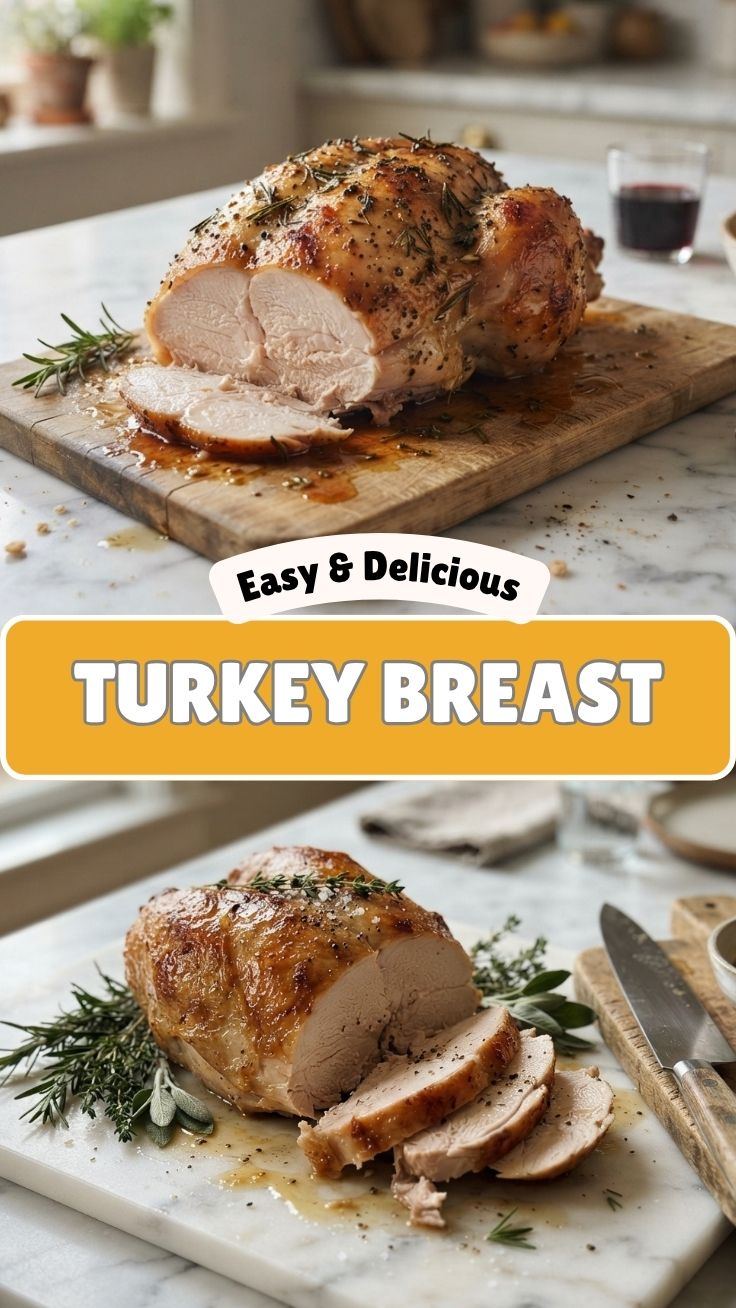
Have you ever craved that perfectly succulent, flavorful Turkey Breast but felt intimidated by the thought of preparing it at home? We all have! But what if I told you that achieving culinary brilliance in your own kitchen is not only possible but also incredibly rewarding? Forget dry, bland poultry. This comprehensive guide will empower you to create a show-stopping Turkey Breast that will have everyone reaching for seconds. And the best part? It paves the way for incredible leftovers, like a gourmet Turkey Sandwich, making your efforts truly worthwhile. Our goal is to transform your home cooking into an experience, not just a task, ensuring every bite is a testament to your newfound kitchen prowess.
Ingredients & Kitchen Tools
To embark on this culinary adventure, gather the following:
- 2-3 lb Boneless, Skin-on Turkey Breast: Opt for skin-on for extra flavor and crispy skin. Boneless simplifies carving.
- 2 tbsp Olive Oil: A good quality extra virgin olive oil for searing and richness.
- 1 tsp Smoked Paprika: Adds a warm, smoky depth.
- 1 tsp Garlic Powder: Essential for aromatic flavor.
- 1/2 tsp Onion Powder: Sweetens and deepens the savory notes.
- 1/2 tsp Dried Thyme: Classic poultry herb, earthy and fragrant.
- 1/2 tsp Dried Rosemary, crushed: Pungent and piney, complements turkey beautifully.
- 1/4 tsp Black Pepper: Freshly ground for best flavor.
- 1 tsp Kosher Salt (or to taste): Enhances all other flavors.
- 1 cup Chicken Broth (low sodium): For basting and creating a moist environment.
- Optional Aromatics: 1 onion, quartered; 2 celery stalks, roughly chopped; 2 carrots, roughly chopped – these add tremendous flavor to the pan drippings for gravy.
- Roasting Pan with Rack: Elevates the turkey for even cooking and crispy skin.
- Meat Thermometer: Crucial for ensuring perfect doneness and food safety.
- Sharp Carving Knife: For effortless slicing.
- Cutting Board: A sturdy surface for preparation and carving.
- Small Bowl: For mixing spices.
Prep Time & Cooking Schedule
- Prep Time: 15 minutes
- Marinating Time (Optional): 30 minutes to 4 hours (or overnight for deeper flavor)
- Cook Time: 60-90 minutes (depending on size)
- Resting Time: 15 minutes
Planning is key! Allocate enough time for the turkey to come to room temperature if marinating, as this promotes even cooking. The resting time is non-negotiable – it allows the juices to redistribute, guaranteeing a tender and moist result.
Step-by-Step Instructions
1. Prepare the Turkey Breast: Pat the turkey breast dry with paper towels. This is crucial for achieving crispy skin. In a small bowl, combine olive oil, smoked paprika, garlic powder, onion powder, dried thyme, dried rosemary, black pepper, and kosher salt. Rub this mixture evenly over the entire surface of the Turkey Breast. For a more intense flavor, allow it to marinate in the refrigerator for at least 30 minutes, or up to 4 hours.
2. Preheat & Arrange: Preheat your oven to 375°F (190°C). If using, scatter the optional aromatics (onion, celery, carrots) at the bottom of your roasting pan. Place the turkey breast, skin-side up, on a rack in the roasting pan. Pour the chicken broth into the bottom of the pan around the aromatics.
3. Roast: Transfer the roasting pan to the preheated oven. Roast for 60-90 minutes, or until a meat thermometer inserted into the thickest part of the breast registers 165°F (74°C). Baste the turkey every 20-30 minutes with the pan drippings to keep it moist and infuse flavor. If the skin is browning too quickly, you can tent it loosely with aluminum foil. This cooking process also lays the foundation for a delicious Turkey Sandwich later!
4. Rest: Once cooked, remove the turkey breast from the oven, transfer it to a cutting board, and tent it loosely with foil. Let it rest for at least 15 minutes before carving. This resting period is critical for juicy results.
5. Carve & Serve: Slice the rested turkey breast against the grain into desired thickness. Serve immediately with your favorite sides.
Nutritional Benefits & Advantages
This homemade Turkey Breast is a powerhouse of lean protein, essential for muscle repair and growth. Turkey is also rich in B vitamins (especially B6 and B12), which are vital for energy metabolism and nervous system health. It’s a good source of selenium, an important antioxidant, and phosphorus, crucial for bone health. By preparing it at home, you control the fat and sodium content, making it a healthier alternative to many store-bought options. Plus, you avoid unnecessary additives and preservatives, ensuring a wholesome meal.
Tips, Variations & Cooking Advice
- Brining: For an even juicier turkey, consider a simple salt brine overnight. This method helps the meat retain moisture during cooking.
- Herb Variations: Experiment with different fresh herbs like sage, marjoram, or even a hint of crushed fennel seeds in your spice rub.
- Glazing: For a beautiful finish, brush the turkey with a simple glaze (e.g., maple syrup and mustard or cranberry orange) during the last 15-20 minutes of cooking.
- Slow Cooker Method: For a hands-off approach, you can cook a boneless Turkey Breast in a slow cooker on low for 3-4 hours with a cup of broth. You won’t get crispy skin, but it will be incredibly tender.
- Dietary Adaptations: This recipe is naturally gluten-free. For a lower sodium option, use unsalted broth and adjust salt to taste.
Common Mistakes to Avoid
- Overcooking: The most common culprit for dry turkey. Always use a meat thermometer and remove the turkey once it reaches 165°F (74°C).
- Not Resting: Rushing to carve results in juices flowing out, leaving you with dry meat. Patience is a virtue here!
- No Browning: If your skin isn’t crisping, ensure your oven is hot enough and consider a quick broil at the very end of cooking (watch carefully!).
- Lack of Seasoning: Don’t skimp on the salt and spices. Turkey can be bland without proper seasoning.
Storage & Meal Prep Tips
Leftover Turkey Breast is a gift that keeps on giving!
- Refrigeration: Store cooked turkey breast in an airtight container in the refrigerator for up to 3-4 days.
- Freezing: For longer storage, slice the turkey and freeze it in single-serving portions in freezer-safe bags or containers for up to 2-3 months. Thaw overnight in the refrigerator before reheating.
- Reheating: To maintain moisture, gently reheat slices in a pan with a splash of broth or in the oven covered with foil at a low temperature (around 250°F/120°C) until warmed through. Avoid microwaving, as it can dry out the meat.
- Meal Prep: Perfect for weekly meal prep! Use slices for sandwiches, salads, wraps, or lean protein additions to various dishes. That gourmet Turkey Sandwich you’ve been dreaming of is just a few steps away!
Conclusion
Mastering the art of cooking a perfectly juicy and flavorful Turkey Breast is a culinary achievement that brings immense satisfaction and opens up a world of delicious possibilities, like that gourmet Turkey Sandwich. By following these easy-to-understand steps and incorporating our expert tips, you’ll consistently deliver a dish that’s both impressive and nourishing. Don’t be afraid to experiment with seasonings and techniques, making this recipe truly your own. We encourage you to try this recipe, share your savory results in the comments below, and explore other delectable poultry recipes on our blog!
FAQs
Q1: How do I know if my Turkey Breast is fully cooked?
A1: The only reliable way is to use a meat thermometer. Insert it into the thickest part of the breast, avoiding bone, and ensure it reads 165°F (74°C).
Q2: Can I use a bone-in Turkey Breast instead?
A2: Yes, a bone-in breast will add more flavor but will require a longer cooking time. Adjust accordingly and continue to monitor with a meat thermometer.
Q3: My Turkey Breast skin isn’t crispy. What went wrong?
A3: Ensure the skin was patted very dry before seasoning. A higher oven temperature (briefly, at the end) or a quick broil (watching closely) can help crisp it up. Avoid basting too frequently in the final stages.
Q4: What are some good leftover ideas for my Turkey Sandwich?
A4: Besides the classic Turkey Sandwich, try making turkey salad, turkey pot pie, turkey tacos, or adding slices to a hearty winter soup or a fresh Cobb salad.