From Pantry to Palate: Crafting the Perfect Tuna Salad Sandwich at Home
Ever wondered how to transform simple ingredients into a lunch that’s both satisfying and surprisingly gourmet? We’re talking about the humble, yet mighty, Tuna Salad Sandwich. While it’s a lunchbox staple, preparing this classic at home offers an unparalleled freshness and flavor that store-bought versions simply can’t match. Not only is it incredibly economical, but customizing your tuna salad recipe allows you to tailor every bite to your exact preferences, ensuring a truly personalized culinary experience. Dive in with us as we explore the art of creating a delicious and wholesome tuna salad that will elevate your midday meal.
Ingredients & Kitchen Tools
Crafting the perfect Tuna Salad Sandwich begins with quality ingredients and the right tools.
- Canned Tuna: (2 cans, 5 oz each, packed in water or olive oil, drained) – Choose a good quality tuna for the best flavor and texture.
- Mayonnaise: (1/2 cup) – The foundational binder for creamy tuna salad. Use your favorite brand or homemade.
- Celery: (2 stalks, finely chopped) – Adds a delightful crunch and fresh, earthy flavor.
- Red Onion: (1/4 cup, finely minced) – Provides a sharp, zesty kick. Rinse under cold water after mincing if you prefer a milder taste.
- Dill Pickle Relish: (2 tablespoons, optional) – For a tangy, sweet, and savory counterpoint.
- Fresh Lemon Juice: (1 tablespoon) – Brightens the flavors and adds a subtle acidity.
- Dijon Mustard: (1 teaspoon) – Enhances the overall savoriness and adds a touch of pungency.
- Salt & Freshly Ground Black Pepper: (to taste) – Essential for seasoning and balancing flavors.
- Bread: (Your choice – whole wheat, sourdough, rye, white) – The canvas for your masterpiece.
- Lettuce Leaves: (Optional, for crunch) – Provides a crisp texture and freshness.
- Mixing Bowl: For combining all ingredients.
- Fork: For flaking the tuna and mixing.
- Cutting Board & Knife: For chopping vegetables.
Prep Time & Cooking Schedule
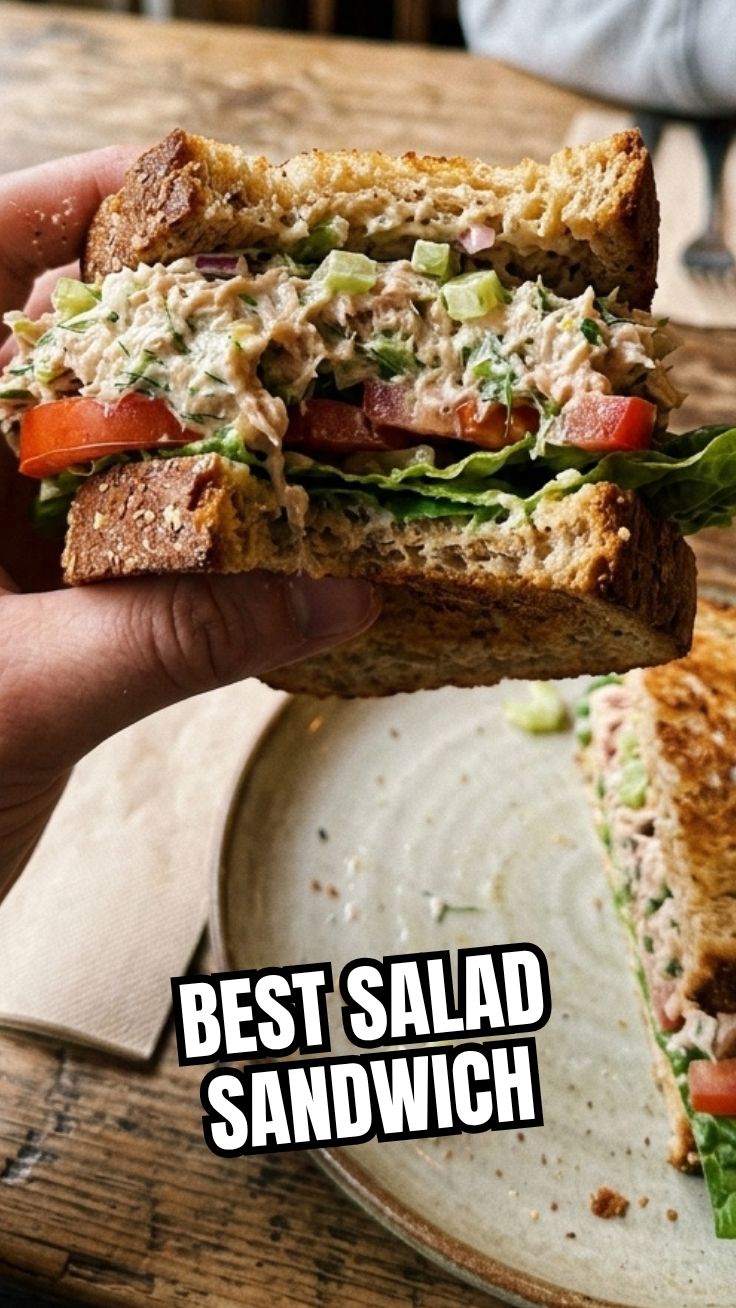
This recipe is a marvel of efficiency, requiring minimal time and effort. You can have a fresh, homemade lunch ready in minutes.
- Prep Time: 10 minutes
- Cook Time: 0 minutes (no cooking required!)
- Resting Time: 15 minutes (optional, but recommended to allow flavors to meld)
For optimal flavor, prepare the tuna salad an hour or two in advance and refrigerate. This allows the ingredients to meld beautifully, creating a more cohesive and delicious sandwich experience.
Step-by-Step Instructions
Let’s get mixing! Follow these simple steps to create a delightful Tuna Salad Sandwich.
1. Drain the Tuna: Thoroughly drain your canned tuna. This is a crucial step to prevent a watery salad. You can press the tuna against the can lid or use a fine-mesh sieve.
2. Flake the Tuna: In a medium-sized mixing bowl, flake the drained tuna with a fork until it’s a good consistency – not too chunky, but not completely pulverized.
3. Add the Veggies: Incorporate the finely chopped celery and minced red onion into the bowl with the tuna.
4. Introduce the Wet Ingredients & Seasonings: Add the mayonnaise, dill pickle relish (if using), fresh lemon juice, and Dijon mustard.
5. Mix Thoroughly: Gently mix all the ingredients until everything is well combined and coated. Be careful not to overmix, as this can make the tuna salad mushy.
6. Season to Taste: Season with salt and freshly ground black pepper. Start with a pinch of each and adjust according to your preference. Remember, you can always add more, but you can’t take it away! This is where you truly craft your perfect tuna salad recipe.
7. Assemble Your Sandwich: Toast your bread if desired. Spread a generous amount of the prepared tuna salad onto one slice of bread. Top with lettuce leaves if using, and then place the second slice of bread on top.
8. Serve and Enjoy: Cut in half and serve immediately.
Nutritional Benefits & Advantages
Beyond its delicious taste, the Tuna Salad Sandwich offers several nutritional advantages. Tuna is an excellent source of lean protein, which is essential for muscle repair and satiety. It’s also rich in omega-3 fatty acids, known for their heart-healthy benefits and anti-inflammatory properties. The celery and red onion contribute fiber and various vitamins and minerals, while fresh lemon juice adds a boost of Vitamin C. By preparing it at home, you control the amount of mayonnaise and sodium, ensuring a healthier meal than many pre-packaged options.
Tips, Variations & Cooking Advice
- Flavor Boosters: For an extra layer of flavor, consider adding a pinch of smoked paprika, a dash of hot sauce, or freshly chopped chives or parsley.
- Ingredient Swaps:
* Mayonnaise Alternatives: Greek yogurt or mashed avocado can be used as healthier substitutes for some or all of the mayonnaise, offering a creamier texture with added nutrients.
* Pickle Relish Alternatives: Finely chopped capers or cornichons can provide a similar briny tang.
* Onion Alternatives: Green onions or shallots can be used for a milder onion flavor.
- Textural Variations: Add some toasted nuts (like walnuts or pecans) or seeds (sunflower or pumpkin) for an extra crunch.
- Dietary Adaptations:
* Gluten-Free: Serve on gluten-free bread or lettuce wraps.
* Dairy-Free: Ensure your bread and mayonnaise are dairy-free.
Common Mistakes to Avoid
- Not Draining Tuna Properly: This is the number one culprit for a soggy tuna salad. Squeeze out as much liquid as possible.
- Overmixing: Overmixing can break down the tuna too much, resulting in a mushy and unappealing texture. Mix just until combined.
- Under-Seasoning: Don’t be shy with salt and pepper! Taste as you go and adjust. Lemon juice also plays a crucial role in brightening flavors.
- Using Warm Tuna Salad: Always chill your tuna salad for at least 15 minutes before serving for the best flavor and texture.
Storage & Meal Prep Tips
Tuna salad is excellent for meal prep!
- Storage: Store leftover tuna salad in an airtight container in the refrigerator for up to 3-4 days. It’s best consumed within this timeframe for optimal freshness and safety.
- Freezing: Tuna salad generally does not freeze well due to the mayonnaise separation and textural changes in the celery and tuna.
- Reheating: This dish is served cold, so no reheating is necessary. Simply take it out of the fridge and assemble your sandwich. For meal prep, store the tuna salad separately from the bread to prevent sogginess.
Conclusion
Crafting a delightful Tuna Salad Sandwich at home is a simple yet rewarding culinary journey. By focusing on fresh ingredients, thoughtful preparation, and a touch of personalization, you can elevate this classic lunch into a truly outstanding meal. We hope this comprehensive guide inspires you to whip up your own batch of this timeless favorite. Don’t shy away from experimenting with your own perfect tuna salad recipe, and share your delicious results with us!
FAQs
Q1: Can I make tuna salad ahead of time?
A1: Absolutely! Tuna salad can be prepared up to 2-3 days in advance and stored in an airtight container in the refrigerator. In fact, the flavors often deepen and meld beautifully with a little time.
Q2: What kind of tuna is best for tuna salad?
A2: For the best flavor and texture, choose high-quality canned tuna. Tuna packed in olive oil often has a richer flavor and moister texture, but tuna packed in water is also excellent, especially if you prefer to control the fat content. Look for albacore or skipjack tuna.
Q3: How can I make my tuna salad healthier?
A3: To make it healthier, you can substitute some or all of the mayonnaise with Greek yogurt or mashed avocado. Increase the amount of vegetables like bell peppers, shredded carrots, or spinach. Opt for whole-grain bread for added fiber.
Q4: My tuna salad is too dry/too wet. How can I fix it?
A4: If it’s too dry, add a bit more mayonnaise, a splash of lemon juice, or even a teaspoon of olive oil. If it’s too wet, it’s likely due to improperly drained tuna. You can try adding a tablespoon of breadcrumbs (if not gluten-free) or another finely chopped, absorbent vegetable like cucumber that has been squeezed dry, to absorb some excess moisture.