Master the Art of Cacio e Pepe: A Timeless Roman Classic
Ever wondered if you could recreate the magic of a restaurant-quality pasta dish in your own kitchen with just a few humble ingredients? Today, we’re diving deep into the art of making Cacio e Pepe, a legendary Roman pasta that embodies simplicity and intense flavor. This isn’t just any pasta recipe; it’s a testament to how quality ingredients and proper technique can produce something truly extraordinary. Learning to master this dish not only elevates your home cooking repertoire but also opens the door to understanding the foundational principles behind many other exquisite Italian pasta recipes. Let’s unlock the secrets to a perfectly creamy, peppery, and cheesy Cacio e Pepe that will have everyone asking for more.
Ingredients & Kitchen Tools
Crafting the perfect Cacio e Pepe requires minimal ingredients, but their quality is paramount.
- Spaghetti or Tonnarelli (12 oz / 340g): Traditional choices for their texture and ability to capture the sauce. Long pasta works best.
- Pecorino Romano Cheese (6 oz / 170g): Finely grated. This sheep’s milk cheese provides the dish’s signature salty, sharp, and tangy flavor.
- Freshly Ground Black Pepper (2-3 tablespoons, or to taste): Coarsely ground is key for texture and a potent peppery kick. Do not use pre-ground pepper.
- Cold Butter (1 tablespoon): Unsalted. Adds richness and helps emulsify the sauce into a creamy consistency.
- Salt (for pasta water): Kosher or sea salt. Essential for seasoning the pasta from within.
- Pasta Water (reserved): The starchy water is crucial for creating the creamy sauce.
- Large Pot: For boiling the pasta.
- Large Skillet or Pan: Wide enough to accommodate the cooked spaghetti and toss the sauce.
- Microplane or Fine Grater: For grating Pecorino Romano.
- Whisk or Tongs: For combining the sauce and tossing the pasta.
Prep Time & Cooking Schedule
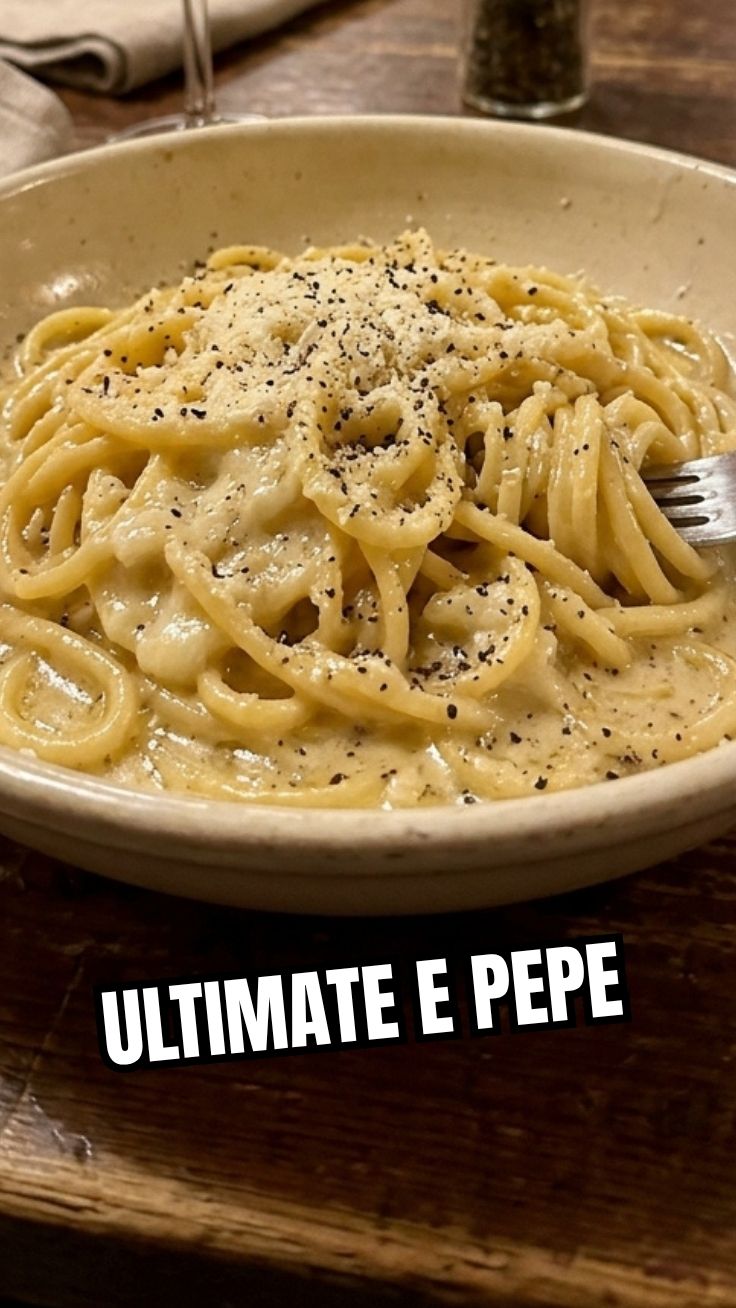
This recipe is renowned for its speed, making it an ideal choice for weeknight dinners or when you crave something decadent without a lengthy preparation process.
- Prep Time: 10 minutes
- Cook Time: 10-12 minutes (for pasta)
- Total Time: Approximately 20-25 minutes
To ensure a smooth cooking process, have all your ingredients prepped and measured before you start. Grate your Pecorino Romano and coarsely grind your black pepper in advance. This dish moves quickly once the pasta is cooking, so readiness is key.
Step-by-Step Instructions
Achieving the perfect Cacio e Pepe hinges on technique, especially the emulsification of the cheese and pepper with starchy pasta water. Let’s master this iconic dish.
1. Boil the Pasta: Bring a large pot of heavily salted water to a rolling boil. Add your spaghetti or tonnarelli and cook according to package directions until al dente. Reserve at least 1.5 cups of the starchy pasta water before draining the pasta. This starchy liquid is your secret ingredient for achieving that luscious, creamy sauce, a fundamental technique in many classic Italian pasta recipes.
2. Toast the Pepper: While the pasta cooks, place a large skillet over medium heat. Add the coarsely ground black pepper and toast for 1-2 minutes until fragrant. This awakens the pepper’s essential oils, intensifying its flavor.
3. Create the Pepper Paste: Add a ladle (about 1/4 cup) of reserved hot pasta water to the skillet with the toasted pepper. Simmer for about 30 seconds, allowing the pepper to hydrate and create a rough paste.
4. Emulsify the Cheese: Remove the skillet from the heat. Add the grated Pecorino Romano and the cold butter to the skillet with the pepper paste. Immediately add about 1/2 cup of the hot reserved pasta water. Begin whisking vigorously, or use tongs to continually stir and toss. The goal is to melt the cheese and butter into a creamy, smooth emulsion. If the sauce seems too thick, gradually add more pasta water, a tablespoon at a time, until you achieve a silky consistency. Avoid direct heat at this stage, as high heat can cause the cheese to clump.
5. Combine Pasta and Sauce: Quickly transfer the al dente pasta directly into the skillet with the sauce. Toss continuously with tongs for 1-2 minutes, ensuring every strand is coated in the creamy, peppery sauce. The residual heat from the pasta and skillet will help further bind everything together. If the sauce becomes too dry, add a tiny splash more pasta water.
6. Serve Immediately: Plate the Cacio e Pepe, twirling the pasta into neat mounds. Garnish with a final sprinkle of fresh Pecorino Romano and a grind of black pepper, if desired.
Nutritional Benefits & Advantages
Cacio e Pepe, while seemingly indulgent, offers some surprising nutritional merits. Pecorino Romano is a good source of calcium and protein, essential for bone health and muscle repair. Black pepper contains piperine, an active compound known for its anti-inflammatory and antioxidant properties, and can even aid in nutrient absorption. Furthermore, the simplicity of the ingredients means you’re consuming whole, unprocessed foods, which is generally beneficial for overall health. This dish showcases how delightful flavors don’t always require complex ingredient lists or heavy sauces.
Tips Variations & Cooking Advice
- Pecorino Quality: Always use high-quality, aged Pecorino Romano. Pre-grated cheeses often contain anti-caking agents that can hinder emulsification, resulting in a gritty sauce.
- Pasta Choice: While spaghetti and tonnarelli are traditional, bucatini (thick, hollow spaghetti) also works wonderfully, providing more surface area to cling to the sauce.
- Pepper Power: Don’t skimp on the pepper! Freshly ground, coarsely cracked black pepper is essential here. You can experiment with a blend of black, white, and green peppercorns for a more complex aroma.
- Dairy-Free Version: For a dairy-free take, swap Pecorino Romano for a high-quality vegan Parmesan alternative and use plant-based butter. The sauce may require a bit more attention to emulsify properly.
- Spice Level: Adjust the black pepper to your preference. For an extra kick, add a pinch of red pepper flakes during the pepper toasting stage.
Common Mistakes to Avoid
- Overcooking the Pasta: Soggy pasta won’t hold the sauce well and will result in a mushy dish. Always aim for al dente.
Using Cold Pasta Water: The reserved pasta water must* be hot to properly melt the cheese and create a smooth emulsion.
- Adding Cold Cheese: Make sure your Pecorino Romano is at room temperature before grating, as this helps it melt more smoothly.
- Direct Heat on Cheese: Do not put the grated cheese directly over high heat. This will cause it to seize and clump. The residual heat from the pasta water and pan is sufficient.
- Not Enough Tossing: Continuous tossing is critical for creating that creamy, integrated sauce.
Storage & Meal Prep Tips
Cacio e Pepe is best enjoyed immediately after preparation. The sauce, due to its emulsion, can seize and separate upon cooling. Leftovers can be stored in an airtight container in the refrigerator for up to 1-2 days, but be aware that the texture will change.
Reheating: To reheat, gently warm in a skillet over low heat, adding a splash of water or milk and a tiny bit of fresh Pecorino Romano. Stir constantly until warmed through and the sauce loosens, but be careful not to overheat, which can cause the cheese to oil out. Freezing is not recommended for Cacio e Pepe.
Conclusion
Mastering Cacio e Pepe is a culinary triumph, proving that extraordinary flavor can arise from humble beginnings. This Roman classic isn’t just a recipe; it’s a testament to the power of technique and quality ingredients, principles that underpin countless exquisite Italian pasta recipes. We encourage you to try this simple yet profoundly satisfying dish at home. Share your results in the comments below, or tell us about your favorite Cacio e Pepe variations!
FAQs
Q1: Why does my Cacio e Pepe sauce turn clumpy or greasy?
A1: This usually happens if the cheese is added to too much direct heat, or if the pasta water wasn’t hot enough, preventing proper emulsification. Use hot pasta water and combine the sauce off the heat.
Q2: Can I use Parmesan cheese instead of Pecorino Romano?
A2: While Parmesan (Parmigiano Reggiano) can be a substitute, it changes the flavor profile significantly. Pecorino Romano provides a sharper, saltier, and tangier kick that is characteristic of Cacio e Pepe.
Q3: How much pasta water should I reserve?
A3: Always reserve at least 1.5 to 2 cups of pasta water, as you’ll adjust the sauce consistency gradually. It’s better to have too much than too little.
Q4: My sauce is too dry. What can I do?
A4: If your sauce becomes too dry during the final tossing, add a small splash (start with a tablespoon) of the reserved hot pasta water, and continue tossing to loosen it up.
Q5: Is it possible to make this dish gluten-free?
A5: Yes! Simply use your favorite gluten-free spaghetti or pasta, ensuring it’s cooked al dente. The rest of the ingredients and techniques remain the same.