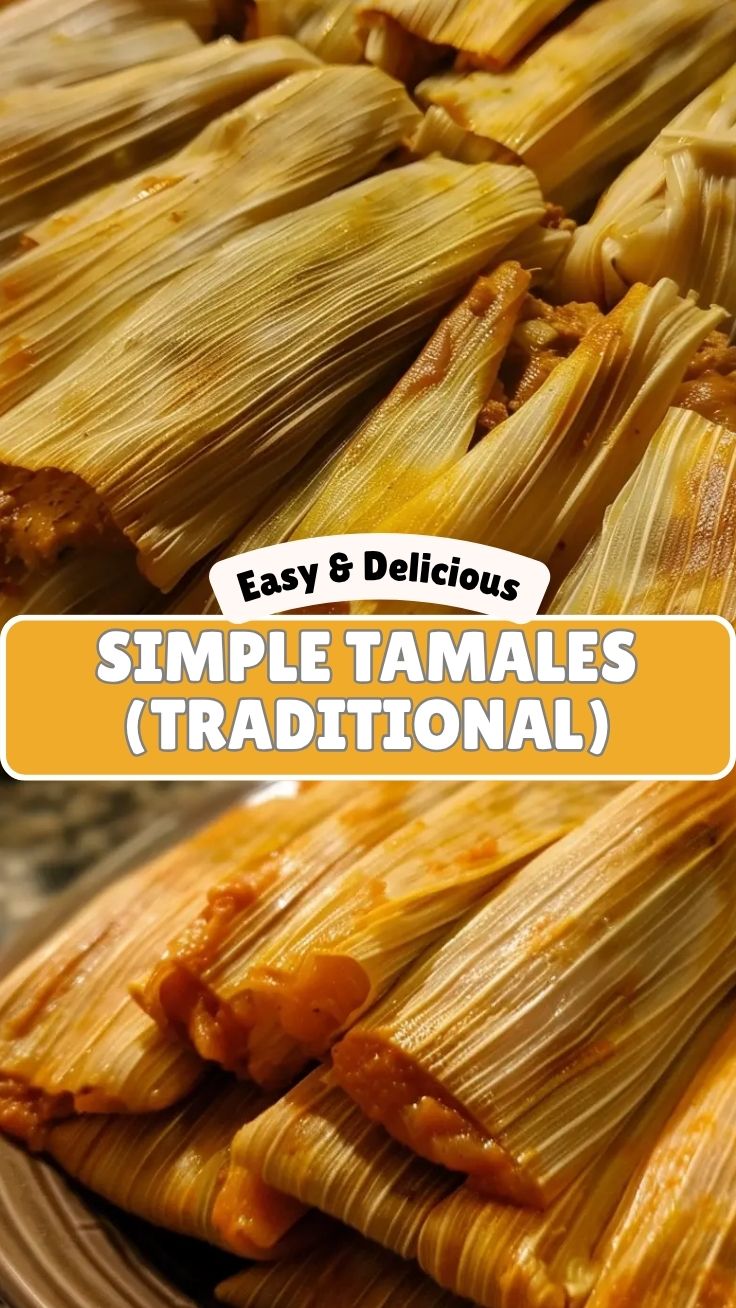
Unwrapping Tradition: Your Guide to Perfect Homemade Tamales (Traditional)
Ever wondered about the secret behind those comforting, flavor-packed bundles of goodness known as Tamales (Traditional)? Are you ready to embark on a culinary journey that brings the heart of Authentic Mexican Food right into your kitchen? Preparing tamales at home isn’t just about cooking; it’s about connecting with a rich heritage, creating unforgettable memories, and savoring flavors that transport you straight to Mexico. This comprehensive guide will equip you with everything you need to master the art of homemade tamales, transforming your kitchen into a vibrant hub of culinary tradition.
Ingredients & Kitchen Tools
Crafting perfect tamales starts with the right ingredients and equipment. Here’s what you’ll need:
Ingredients:
- For the Masa:
* 2 cups masa harina for tamales (specifically designed for tamales, not cornmeal)
* 1 ½ cups warm chicken or vegetable broth (adds flavor and moisture)
* 1 cup lard or vegetable shortening (essential for light, fluffy masa; shortening is a vegan alternative)
* 1 tsp baking powder (helps the masa expand and become tender)
* 1 tsp salt (enhances overall flavor)
- For the Pork Filling (Traditional):
* 2 lbs pork shoulder (boston butt), trimmed and cut into 2-inch chunks
* 1 white onion, quartered
* 4 garlic cloves, smashed
* 2 bay leaves
* 1 tsp black peppercorns
* 1 tbsp salt
* 6-8 dried guajillo chilies, stemmed and seeded (mild, fruity flavor)
* 2-3 dried ancho chilies, stemmed and seeded (mild, smoky, slightly sweet flavor)
* 1 cup reserved pork broth
- For Assembly:
* 50-60 dried corn husks (soaked overnight or for at least 1 hour in hot water until pliable)
Kitchen Tools:
- Large mixing bowl: For masa preparation.
- Stand mixer with paddle attachment or electric hand mixer: Easiest way to whip lard/shortening and incorporate ingredients, though hand mixing is possible.
- Large pot or Dutch oven: For cooking the pork.
- Blender: For making the chili sauce.
- Steamer pot or large pot with a steamer insert and rack: Essential for steaming tamales. A colander inside a pot with a lid works in a pinch.
- Measuring cups and spoons: For accurate ingredient quantities.
- Spatula or masa spreader: To spread masa on corn husks.
- Tongs: For handling hot pork and chilies.
Prep Time & Cooking Schedule
- Corn Husks Soaking: Overnight or 1 hour (active: 5 minutes)
- Pork Cooking: 2-3 hours (active: 30 minutes)
- Masa Preparation: 30-45 minutes
- Chili Sauce Preparation: 30 minutes
- Assembly: 1-2 hours (this is the most labor-intensive part, often done with family!)
- Steaming Time: 1.5-2 hours
- Resting Time: 15-20 minutes (crucial for setting)
Total Time: Plan for a full day, or break it into two days (cook pork and soak husks on day one, assemble and steam on day two). This is a labor of love!
Step-by-Step Instructions
1. Prepare the Pork Filling:
* Place pork shoulder, onion, garlic, bay leaves, peppercorns, and salt in a large pot. Cover with water. Bring to a boil, then reduce heat, cover, and simmer for 2-3 hours until very tender.
* While pork cooks, rehydrate dried chilies: Remove stems and seeds. Place in a bowl, cover with boiling water, and let soak for 20-30 minutes until softened.
* Remove pork from broth (reserve 1 cup of broth). Shred pork using two forks.
* Drain chilies and blend with 1 cup reserved pork broth until smooth. Strain the sauce through a fine-mesh sieve into a bowl to remove any solids.
* In a large skillet, heat a little oil. Add the strained chili sauce and cook for 5-7 minutes, stirring, until it darkens and thickens slightly. Add the shredded pork, mix well, and simmer for 10-15 minutes, allowing flavors to meld. Season with salt to taste.
2. Prepare the Masa:
* In a stand mixer or large bowl, cream the lard or shortening until light and fluffy (about 5 minutes). This is key for tender tamales.
* In a separate bowl, whisk masa harina, baking powder, and salt.
* Gradually add the masa harina mixture to the creamed lard, alternating with warm broth, mixing until a soft, spreadable dough forms. It should have the consistency of peanut butter or soft playdough.
* Test the Masa: Drop a small ¼ tsp of masa into a cup of cold water. If it floats, it’s ready. If it sinks, continue beating for a few more minutes, then retest. This ensures the masa is light enough.
3. Assemble the Tamales (Traditional):
* Drain the soaked corn husks and pat them dry. Select the larger, more pliable husks.
* Lay a husk flat, wider end at the top. Spread about 2-3 tablespoons of masa evenly over the wider part of the husk, leaving a 1-inch border at the top and side.
* Place 1-2 tablespoons of the pork filling in the center of the masa.
* Fold one side of the husk over the filling, then fold the other side over, overlapping. Fold the narrow end of the husk up towards the filling. You can gently tie with a strip of corn husk or simply place them seam-down. This method ensures that these Authentic Mexican Food parcels cook perfectly.
4. Steam the Tamales:
* Arrange the assembled tamales upright, open-side up (or folded-side up if you folded the bottom) in your steamer, making sure they are not packed too tightly.
* Pour 2-3 inches of water into the bottom of the steamer, ensuring it doesn’t touch the tamales.
* Bring water to a boil, then reduce heat to a gentle simmer. Cover tightly and steam for 1.5-2 hours.
* Test for Doneness: A tamale is done when the masa easily separates from the corn husk. If it sticks, steam for another 15-20 minutes and retest.
* Once done, remove from heat and let them rest in the steamer for 15-20 minutes before serving. This allows the masa to firm up.
Nutritional Benefits & Advantages
Tamales, especially with lean pork and homemade chili sauce, offer surprising nutritional value. The corn-based masa provides complex carbohydrates for sustained energy, while lean pork is an excellent source of protein and essential B vitamins like niacin and B6. Chilies are rich in vitamins A and C and antioxidants. When made from scratch, you control the fat and sodium content, making them a more wholesome option than many processed foods.
Tips, Variations & Cooking Advice
- Vegetarian/Vegan: Replace pork with refried beans, roasted vegetables (like poblano peppers and corn), or a mushroom mixture. Use vegetable shortening for the masa and vegetable broth.
- Cheese Tamales: Add a strip of Oaxaca cheese or Monterey Jack with either pork or jalapeños.
- Sweet Tamales: Omit savory fillings and add chopped dried fruit, nuts, cinnamon, and a touch of brown sugar to the masa.
- Freezing Masa: Masa can be prepared a day or two in advance and stored in the refrigerator, well-covered.
- Batch Cooking: Tamales are perfect for making in large batches and freezing for later.
Common Mistakes to Avoid
- Not Soaking Husks Enough: Dry husks will crack and are difficult to work with. Ensure they are fully pliable.
- Under-mixing the Masa: If the masa isn’t light and fluffy (fails the float test), your tamales will be dense and heavy.
- Overfilling: Too much filling makes it hard to fold and can cause tamales to fall apart.
- Not Steaming Long Enough: This is the most common mistake. Undercooked tamales will stick to the husk. Be patient!
- Letting the Steamer Run Dry: Always keep an eye on the water level to prevent your tamales from burning or drying out.
Storage & Meal Prep Tips
Cooked tamales can be stored in an airtight container in the refrigerator for up to 5 days. For longer storage, flash freeze them individually on a baking sheet, then transfer to freezer-safe bags. They’ll keep for up to 3 months. To reheat, steam them again for 15-20 minutes from thawed, or 25-30 minutes from frozen, until heated through. You can also microwave them, but steaming preserves their texture best.
Conclusion
Mastering homemade Tamales (Traditional) is a rewarding culinary achievement that connects you with generations of flavor. From the rich, tender pork filling to the fluffy masa and the vibrant chili sauce, every bite is a celebration of Authentic Mexican Food. Don’t be shy; embrace the process, gather your loved ones, and transform your kitchen into a hub of tradition and deliciousness. We encourage you to try this recipe and share your delectable creations with us!
FAQs
Q1: Can I make tamales without lard?
A1: Yes, vegetable shortening is an excellent substitute for lard in the masa, yielding a similar tender texture.
Q2: How do I know if my masa is ready for assembly?
A2: The “float test” is key: drop a small piece (about ¼ tsp) of masa into cold water. If it floats, it’s ready. If it sinks, continue beating for a few more minutes until it passes the test.
Q3: My tamales are sticking to the husks. What went wrong?
A3: This is a sign of undercooked tamales. Return them to the steamer and cook for another 15-20 minutes, then recheck until the masa separates easily from the husk.
Q4: Can I freeze uncooked tamales?
A4: It’s best to steam tamales completely before freezing. Freezing uncooked masa can sometimes alter its texture upon steaming.
Q5: What are some good accompaniments for tamales?
A5: Tamales are delicious on their own, but also pair wonderfully with salsa, guacamole, sour cream, pickled jalapeños, and a side of refried beans or Mexican rice.