Sizzle Sizzle, Hooray! Your Guide to Perfect Homemade Fajitas
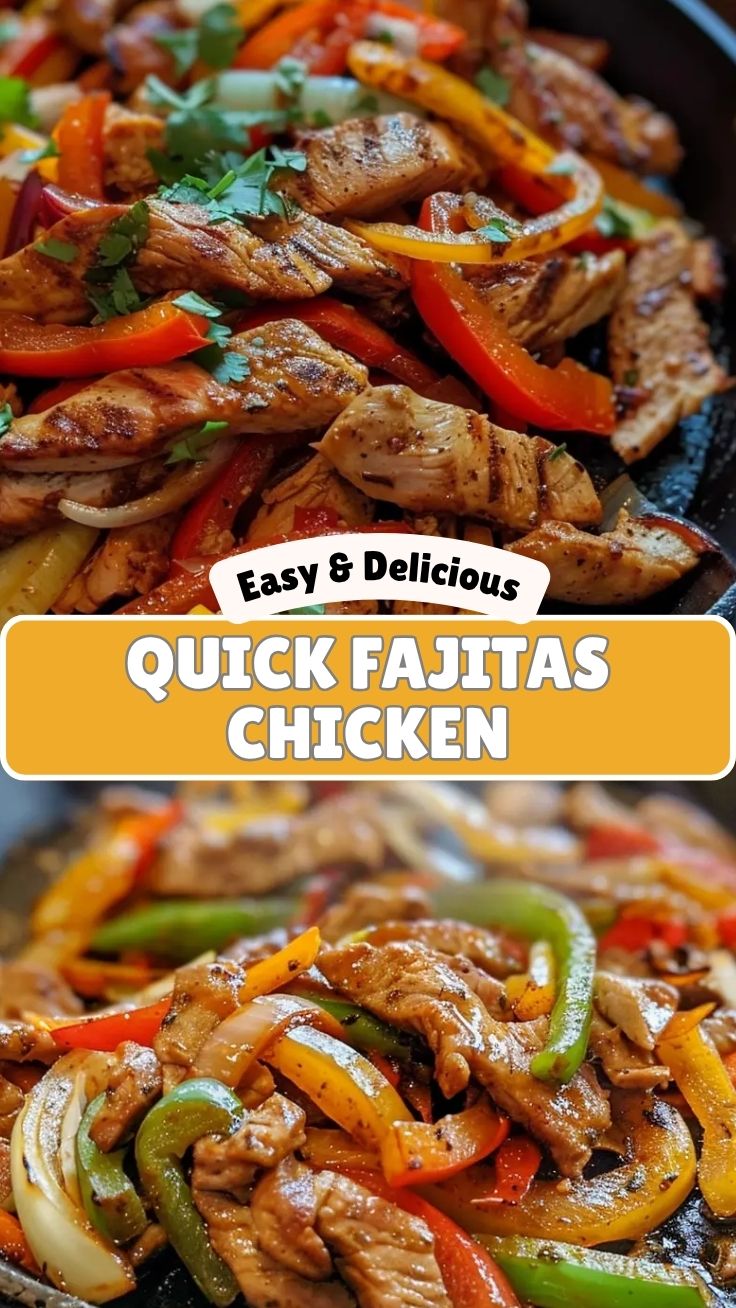
Ever wonder how those restaurant-style fajitas achieve that irresistible sizzle and flavor? Fajitas (Chicken or Beef) are not just a meal; they’re an experience! And the good news is, recreating that magic in your own kitchen is entirely achievable, far more rewarding, and often healthier than dining out. Forget bland imitations; with the right techniques and a touch of the perfect fajita seasoning, you can master this beloved dish, impressing family and friends with vibrant colors and tantalizing aromas. This comprehensive guide will walk you through every step, ensuring your homemade rendition is nothing short of spectacular.
Ingredients & Kitchen Tools
- For the Fajitas:
* 1.5 lbs Chicken or Beef (flap steak, skirt steak, or boneless, skinless chicken breasts/thighs): Choose high-quality cuts for the best flavor and tenderness. Slice thinly against the grain for beef, or into strips for chicken.
* 2-3 Bell Peppers (assorted colors): Red, green, yellow, and orange for a vibrant visual and diverse flavor profile. Seeded and thinly sliced.
* 1 large Onion (yellow or white): Thinly sliced, adds sweetness and depth.
* 2 tbsp Olive Oil (or other high-heat cooking oil): For searing the meat and sautéing the vegetables.
* Homemade or store-bought fajita seasoning (2-3 tbsp): A blend of chili powder, cumin, paprika, garlic powder, onion powder, oregano, salt, and pepper. Adjust to taste.
* Juice of 1 Lime: Brightens the flavors and tenderizes the meat.
- For Serving:
* Warm Tortillas (corn or flour): Essential for wrapping.
* Optional Toppings: Salsa, guacamole, sour cream, shredded cheese, chopped cilantro, pickled jalapeños.
- Kitchen Tools:
* Cutting board and sharp knife: For preparing meat and vegetables.
* Large mixing bowl: For marinating.
* Large cast-iron skillet or heavy-bottomed pan: Crucial for achieving that restaurant-style sizzle and sear.
* Tongs or spatula: For flipping and stirring.
Prep Time & Cooking Schedule
- Prep Time: 20 minutes (slicing, seasoning)
- Marinating Time: 30 minutes to 2 hours (optional, but highly recommended for enhanced flavor and tenderness, especially for beef). You can marinate the meat and vegetables together or separately.
- Cook Time: 15-20 minutes (searing meat, sautéing vegetables)
- Total Time: Approximately 1 hour to 2 hours 40 minutes, depending on marinating time. Plan ahead to allow for adequate marination to infuse your Fajitas (Chicken or Beef) with optimal flavor.
Step-by-Step Instructions
1. Prepare the Meat: Slice your chosen chicken or beef into thin strips, aiming for even thickness to ensure uniform cooking. Place in a large mixing bowl.
2. Season the Meat & Vegetables: Drizzle the meat with 1 tablespoon of olive oil and generously sprinkle with 2 tablespoons of your favorite fajita seasoning. Toss to coat evenly. In a separate bowl, toss the sliced bell peppers and onions with the remaining 1 tablespoon of olive oil and a pinch of salt and pepper.
3. Marinate (Optional but Recommended): For deeper flavor, cover the seasoned meat and refrigerate for at least 30 minutes, or up to 2 hours.
4. Heat the Skillet: Place your cast-iron skillet over high heat. It’s crucial for the pan to be very hot to achieve a good sear and that signature sizzle. Add a splash of oil if needed.
5. Cook the Meat: Once the pan is smoking slightly, add the seasoned meat in a single layer, being careful not to overcrowd the pan. Cook for 2-3 minutes per side until beautifully seared and cooked through. Remove the meat from the pan and set aside.
6. Sauté the Vegetables: Add the sliced bell peppers and onions to the same hot skillet. Stir-fry for 5-7 minutes, or until they are tender-crisp and slightly charred.
7. Combine & Finish: Return the cooked meat to the skillet with the vegetables. Squeeze the fresh lime juice over everything and toss to combine. Taste and adjust seasoning if necessary.
8. Serve Sizzling: Transfer the hot Fajitas (Chicken or Beef) mixture to a serving platter, ideally a warmed cast-iron platter for that authentic presentation. Serve immediately with warm tortillas and your favorite toppings.
Nutritional Benefits & Advantages
Homemade fajitas offer a wealth of nutritional benefits. Lean protein from chicken or beef provides essential amino acids for muscle repair and growth. Bell peppers are packed with Vitamin C, antioxidants, and dietary fiber, supporting immune health and digestion. Onions contribute prebiotics and various vitamins. By preparing them at home, you control the amount of added fats and sodium, making them a much healthier alternative to restaurant versions, which often contain excessive oils and salt.
Tips, Variations & Cooking Advice
- Spice Level: Adjust the heat by adding a pinch of cayenne pepper or a chopped jalapeño to your fajita seasoning.
- Vegetarian Fajitas: Swap out the meat for portobello mushrooms, firm tofu, or a mix of extra bell peppers, zucchini, and corn.
- Marinade Boost: For extra tender beef, consider adding 1-2 tablespoons of pineapple juice or a little beer to your marinade; the enzymes help to break down tough fibers.
- Grilling Option: Instead of a skillet, you can grill your fajita meat and vegetables for a smoky flavor. Thread onto skewers for easier handling.
- Lower Carb: Serve your fajitas in lettuce cups or over cauliflower rice instead of tortillas.
Common Mistakes to Avoid
- Overcrowding the Pan: This is the most common mistake. Overcrowding lowers the pan’s temperature, leading to steamed rather than seared meat and soggy vegetables. Cook in batches if necessary.
- Under-seasoning: Don’t be shy with the fajita seasoning. It’s vital for those bold flavors.
- Overcooking the Meat: Especially with beef, overcooking will result in dry, tough meat. Aim for a quick sear.
- Cold Tortillas: Always warm your tortillas! Cold tortillas are prone to tearing and don’t taste as good.
Storage & Meal Prep Tips
Leftover fajita mix can be stored in an airtight container in the refrigerator for 3-4 days. It’s excellent for meal prep; simply reheat gently in a skillet or microwave until warmed through. To maintain texture, avoid over-reheating. Freezing is possible, but the bell peppers may become a bit softer upon thawing. For best results, freeze the cooked meat and vegetables separately, then combine and reheat.
Conclusion
Mastering homemade Fajitas (Chicken or Beef) is a culinary journey that rewards you with incredible flavor and a vibrant meal perfect for any occasion. With the right techniques and a robust fajita seasoning, you can bring the sizzle and zest of your favorite restaurant right into your home. Don’t be afraid to experiment with spices and toppings to truly make this recipe your own. Give it a try, and let us know how your homemade fajitas turn out in the comments below!
FAQs
- Q: Can I use pre-cut meat and vegetables?
* A: Yes, absolutely! Pre-cut ingredients are a great time-saver, but ensure the meat is still sliced thinly for quick cooking.
- Q: What if I don’t have a cast-iron skillet?
* A: A large, heavy-bottomed stainless steel or non-stick pan will also work, though a cast-iron skillet offers superior heat retention and a better sear.
- Q: How can I make my fajitas spicier?
* A: Add a pinch of cayenne pepper, a dash of hot sauce, or include sliced jalapeños or serrano peppers when sautéing the vegetables.
- Q: Can I prepare the seasoning in advance?
* A: Yes, you can mix a larger batch of homemade fajita seasoning and store it in an airtight container for up to 6 months, making future fajita nights even quicker.
- Q: What’s the best way to warm tortillas?
* A: You can warm tortillas in a dry skillet over medium heat for 15-20 seconds per side, wrap them in foil and bake them briefly, or microwave them wrapped in a damp paper towel.