The Ultimate Savory Stuffing Recipe: A Holiday Classic Reimagined
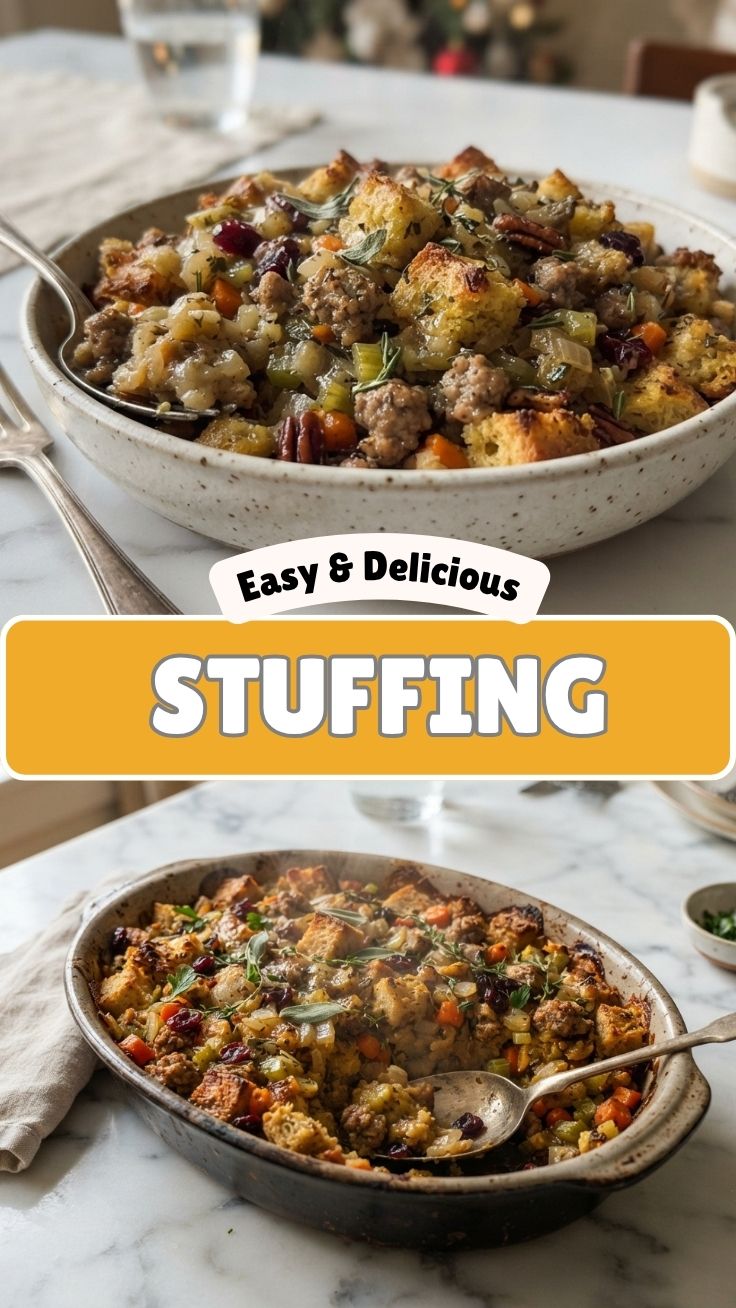
Ever wondered how to elevate your holiday feast from simply delicious to absolutely unforgettable? The secret often lies in the sides, and a truly exceptional savory stuffing is the undeniable star. Forget the bland, boxed versions; crafting your own homemade stuffing not only guarantees a burst of fresh flavors and textures but also allows for personalized touches that cater to every palate. This recipe will guide you through creating a moist, aromatic, and perfectly browned companion for your roasted turkey or chicken, ensuring every bite is a delightful experience. And for those considering a unique gift for a culinary enthusiast, pairing this recipe with a charming, food-themed plush makes for an extra special touch.
Ingredients & Kitchen Tools
To embark on this culinary adventure, gather the following:
Ingredients:
- 1 loaf (16 oz) day-old sourdough or challah bread: Cut into 1-inch cubes. Stale bread is crucial for absorbing moisture without becoming soggy.
- 1 cup (2 sticks) unsalted butter: Divided. Butter adds richness and helps crisp the bread.
- 2 large yellow onions: Finely diced. Provides a sweet and savory base.
- 4 stalks celery: Finely diced. Adds a subtle fresh crunch and aromatic depth.
- 1 bunch fresh sage: Roughly chopped (about 3 tablespoons). Essential for that classic savory flavor.
- 1 bunch fresh thyme: Roughly chopped (about 2 tablespoons). Complements the sage beautifully.
- 1 bunch fresh parsley: Roughly chopped (about 1/4 cup). Adds freshness and color.
- 4 cups chicken or vegetable broth: Low sodium, warmed. The liquid that binds everything together.
- 2 large eggs: Lightly beaten. Acts as a binder, creating a more cohesive texture.
- 1 teaspoon salt: Or to taste. Enhances all flavors.
- 1/2 teaspoon black pepper: Freshly ground, or to taste. Adds a subtle kick.
- Optional additions: 1 cup cooked crumbled sausage, 1 cup chopped toasted pecans, 1/2 cup dried cranberries for added flavor and texture.
Kitchen Tools:
- Large baking sheet: For toasting bread cubes.
- Large sauté pan or Dutch oven: For cooking vegetables.
- Large mixing bowl: For combining all ingredients.
- 9×13-inch baking dish: For baking the stuffing.
- Measuring cups and spoons: For precise ingredient measurements.
- Sharp knife and cutting board: For prepping vegetables and herbs.
Prep Time & Cooking Schedule
- Prep Time: 30 minutes
- Cook Time: 45-55 minutes
- Total Time: Approximately 1 hour 30 minutes
- Drying Bread (overnight recommended): For optimal results, cut your bread cubes one day in advance and let them air dry on a baking sheet overnight. This ensures they’re perfectly stale and ready to soak up all the delicious liquids. If short on time, you can toast them in the oven.
Step-by-Step Instructions
1. Prepare the Bread: If not air-dried, preheat your oven to 300°F (150°C). Spread the bread cubes on a large baking sheet and toast for 15-20 minutes, or until lightly golden and firm. This step is crucial for preventing soggy stuffing. Let cool.
2. Sauté Aromatics: In a large sauté pan or Dutch oven, melt 1/2 cup of butter over medium heat. Add the diced onions and celery. Cook, stirring occasionally, for 8-10 minutes until softened and translucent.
3. Add Herbs and Flavor: Stir in the fresh sage, thyme, salt, and pepper. Cook for another 2-3 minutes until fragrant. Remove from heat.
4. Combine Ingredients: In a large mixing bowl, combine the toasted bread cubes, the sautéed onion and celery mixture, and the fresh parsley. If using, add cooked sausage, toasted pecans, or dried cranberries now.
5. Moisten and Bind: In a separate small bowl, whisk together the warmed chicken or vegetable broth and the lightly beaten eggs. Gradually pour this liquid mixture over the bread mixture, tossing gently to ensure all the bread cubes are evenly coated. Be careful not to over-mix, as this can lead to a dense stuffing. The texture should be moist but not overly wet, resembling a well-loved plush toy that’s just substantial enough.
6. Bake to Perfection: Transfer the mixture to the greased 9×13-inch baking dish. Dot the top with the remaining 1/2 cup of butter, cut into small pieces.
7. Cook: Bake uncovered for 30 minutes at 375°F (190°C). Then, if you prefer a softer top, cover with foil and bake for another 15-25 minutes, or until heated through and lightly golden brown on top. For a crispy top, leave it uncovered for the entire baking time. A meat thermometer inserted into the center should read 165°F (74°C).
Nutritional Benefits & Advantages
This homemade stuffing, while indulgent, offers several nutritional advantages over its processed counterparts. Using fresh vegetables like onions and celery provides essential vitamins, minerals, and dietary fiber. Fresh herbs like sage and thyme are rich in antioxidants and offer anti-inflammatory properties. Opting for low-sodium broth allows for better control over salt intake, and making it from scratch ensures you avoid artificial flavors and preservatives often found in store-bought mixes.
Tips, Variations & Cooking Advice
- Flavor Variations:
* Apple and Sausage: Add 1 cup finely diced Granny Smith apples and 1 cup cooked, crumbled breakfast sausage for a sweet and savory twist.
* Mushroom and Leek: Sauté 1 cup sliced mushrooms and 1 cup thinly sliced leeks (white and light green parts) with the onions and celery.
* Cornbread Stuffing: Substitute sourdough bread with day-old cornbread for a Southern-inspired version.
- Dietary Adaptations:
* Gluten-Free: Use gluten-free bread cubes and ensure your broth is certified gluten-free.
* Dairy-Free: Substitute butter with a plant-based butter alternative or olive oil.
* Vegetarian/Vegan: Use vegetable broth and ensure no animal products are used in optional additions (e.g., skip sausage). For vegan, substitute eggs with a flax egg (1 tbsp ground flaxseed + 3 tbsp water per egg, let sit for 5 minutes).
- Moisture Control: The amount of broth needed can vary depending on the dryness of your bread. Add it gradually until the mixture is moist but not swimming in liquid.
Common Mistakes to Avoid
- Using Fresh Bread: Fresh bread will turn into a mushy, dense stuffing. Always use day-old or toasted bread cubes.
- Over-mixing: Over-mixing the ingredients after adding the liquid can develop the gluten in the bread, leading to a tough and rubbery texture. Gently fold the ingredients until just combined.
- Baking at Too Low a Temperature: This can result in a pale, undercooked stuffing. Ensure your oven is properly preheated.
- Not Enough Seasoning: Stuffing needs generous seasoning to shine. Taste and adjust salt and pepper before baking.
Storage & Meal Prep Tips
- Refrigeration: Leftover stuffing can be stored in an airtight container in the refrigerator for up to 3-4 days.
- Freezing: For longer storage, freeze cooled stuffing in freezer-safe containers or bags for up to 3 months. Thaw overnight in the refrigerator before reheating.
- Reheating: Reheat in the oven at 350°F (175°C) until warmed through, about 20-30 minutes, covering with foil if it starts to dry out. A microwave can also be used for individual portions but may result in a softer texture. Add a splash of broth before reheating to maintain moisture.
Conclusion
Mastering the art of homemade savory stuffing is a rewarding culinary achievement that will undoubtedly earn you rave reviews. This recipe, with its comprehensive instructions and adaptable variations, empowers you to create a dish that is both deeply comforting and bursting with flavor. Whether you’re preparing for a grand holiday feast or simply seeking a delicious side dish, this stuffing is sure to be a crowd-pleaser. So go ahead, don your apron, and craft a truly memorable dish. And if you’re feeling extra festive, consider gifting a foodie friend a charming plush to accompany this delightful recipe! We encourage you to try this recipe, experiment with your favorite additions, and share your delightful creations with us in the comments below!
FAQs
Q1: Can I prepare the stuffing ahead of time?
A1: Yes, you can assemble the stuffing mixture (without baking) up to one day in advance. Store it covered in the refrigerator. When ready to bake, let it come to room temperature for about 30 minutes before proceeding with baking instructions.
Q2: What’s the best type of bread to use for stuffing?
A2: Day-old sourdough, challah, or French bread are excellent choices because they have a sturdy texture that holds up well without becoming mushy. Avoid very soft sandwich breads.
Q3: How do I prevent my stuffing from being too dry or too soggy?
A3: The key is to use stale or toasted bread and to add broth gradually. The bread should be thoroughly moistened but not swimming in liquid. If it looks dry during baking, you can add a splash more warm broth. To prevent sogginess, ensure your bread is properly dried before mixing.
Q4: Can I add raw sausage directly to the stuffing mixture?
A4: No, it’s essential to cook any raw meat, like sausage, thoroughly before adding it to the stuffing mixture. This ensures it’s fully cooked and safe to eat when the stuffing is done.
Q5: What if I don’t have fresh herbs?
A5: While fresh herbs offer the best flavor, you can substitute dried herbs. Use about 1/3 the amount of dried herbs compared to fresh (e.g., 1 tablespoon dried sage for 3 tablespoons fresh).