The Ultimate Fluffy Mashed Potatoes: Your Guide to Creamy Perfection
Have you ever wondered what makes that restaurant-quality side dish so irresistibly smooth and flavorful? It’s more than just potatoes and butter; it’s a culinary art form! Preparing the perfect Mashed Potatoes at home not only elevates any meal but also allows you to control the ingredients, ensuring a healthier and more personalized experience. Beyond just a simple side, learning to master this foundational dish unlocks a world of other delicious potato recipes. Let’s dive into creating a dish that will impress every time.
Ingredients & Kitchen Tools
Crafting the perfect batch requires attention to detail in both ingredients and equipment.
- 2 lbs Russet or Yukon Gold Potatoes: These varieties are starchy, making them ideal for a fluffy, creamy texture.
- ½ cup Whole Milk or Heavy Cream: Adds richness and helps achieve that velvety consistency. For a dairy-free option, use unsweetened plain almond milk.
- 4 tbsp Unsalted Butter: Crucial for flavor and silkiness. Salted butter can be used, but adjust added salt accordingly.
- 1 tsp Salt (or to taste): Enhances all the flavors. Fine sea salt is recommended.
- ¼ tsp Black Pepper (or to taste): Provides a subtle warmth and spice. Freshly ground is best.
- Optional: 1-2 cloves Garlic, minced: For an aromatic garlicky kick if you prefer.
- Optional: Fresh Chives or Parsley, chopped: For garnish and a burst of fresh flavor.
Kitchen Tools:
- Large Pot: For boiling the potatoes evenly.
- Potato Masher or Ricer: A ricer yields the smoothest, lump-free results. A masher gives a slightly chunkier texture.
- Measuring Cups and Spoons: For accurate ingredient ratios.
- Large Mixing Bowl: To combine all ingredients.
- Rubber Spatula or Wooden Spoon: For gentle mixing.
- Sharp Knife and Cutting Board: For prepping potatoes.
Prep Time & Cooking Schedule
Getting the timing right is key to stress-free cooking.
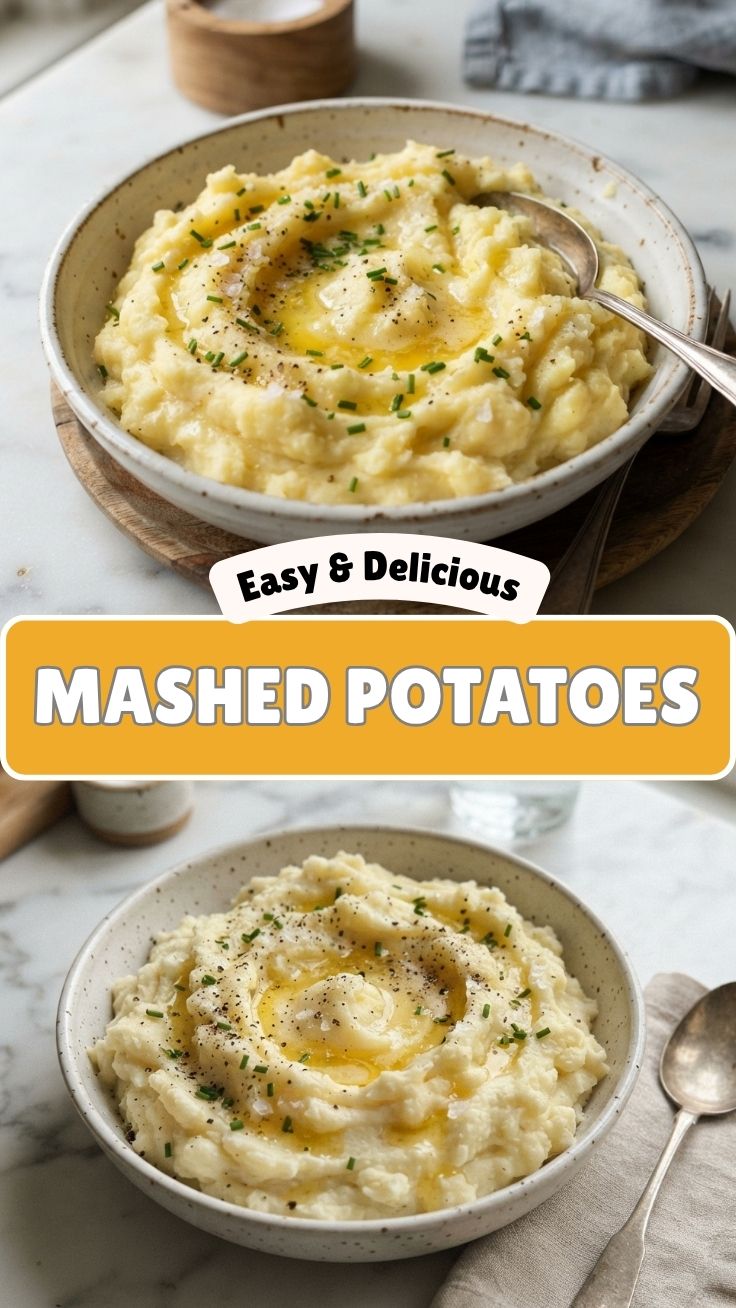
- Prep Time: 15 minutes (peeling and dicing potatoes)
- Cook Time: 20-25 minutes (boiling time depends on potato size)
- Resting Time: 5 minutes (allowing potatoes to steam dry)
Plan to begin preparation about 40 minutes before you intend to serve, ensuring the mashed potatoes are hot and fresh when they hit the table.
Step-by-Step Instructions
Follow these steps for perfectly creamy and flavorful results.
1. Prepare the Potatoes: Peel the potatoes and cut them into 1-inch cubes. Uniformly sized pieces ensure even cooking. Place them in a large pot and cover with cold water by about an inch. Add a generous pinch of salt to the water – this seasons the potatoes from the inside out.
2. Boil Until Tender: Bring the water to a boil over high heat, then reduce to a simmer. Cook for 15-20 minutes, or until the potatoes are fork-tender. Don’t overcook, or they’ll become watery. Under-cooking will lead to lumpy mash.
3. Drain and Dry: Once tender, drain the potatoes thoroughly in a colander. Return the drained potatoes to the empty hot pot over low heat for 1-2 minutes, shaking occasionally. This step is crucial for evaporating excess moisture, preventing watery Mashed Potatoes.
4. Heat Dairy and Butter: While the potatoes are drying, gently heat the milk/cream and butter in a small saucepan until the butter is melted and the liquid is warm. If using, add minced garlic to the warm mixture for a subtle infusion. Do not boil.
5. Mash the Potatoes: Remove the pot from the heat. Use a potato ricer for the smoothest results, pressing the potatoes directly into a large mixing bowl. If using a masher, mash until mostly smooth, leaving a few small lumps if preferred. Avoid over-mashing, as it can make them gummy.
6. Combine and Season: Gradually pour the warm milk and butter mixture into the mashed potatoes, gently folding with a rubber spatula or wooden spoon until just combined and creamy. Add salt and pepper to taste. Continue folding until the desired consistency is reached. Remember, perfect potato recipes are all about balancing texture and flavor.
7. Serve: Garnish with fresh chives or parsley, if desired, and serve immediately.
Nutritional Benefits & Advantages
Potatoes, often misunderstood, are a powerhouse of nutrition when prepared thoughtfully. They are an excellent source of Vitamin C, Vitamin B6, potassium, and dietary fiber, especially if you leave some skin on. When combined with milk and butter, this dish offers a good source of energy and calcium. Choosing whole ingredients and homemade preparation avoids the artificial flavors and excessive sodium often found in instant versions.
Tips Variations & Cooking Advice
- Garlic Infusion: For a deeper garlic flavor, pan-fry minced garlic in butter until fragrant before adding to the milk.
- Herby Mash: Incorporate fresh rosemary, thyme, or sage for an aromatic twist.
- Cheesy Delight: Stir in some grated Parmesan, cheddar, or Gruyère cheese for extra richness.
- Vegan Version: Use a plant-based milk (like unsweetened almond or oat milk) and vegan butter. Nutritional yeast can add a cheesy flavor.
- Consistency Control: For thinner mash, add a little more warm milk; for thicker, mash more vigorously or add a touch less liquid initially.
- Don’t Overwork: Mashing or whipping potatoes too much releases extra starch, leading to a gluey, undesirable texture. Gentleness is key!
Common Mistakes to Avoid
- Cold Dairy: Adding cold milk or butter can cool down the potatoes and make them harder to incorporate smoothly. Always warm your dairy.
- Overboiling: Waterlogged potatoes absorb too much liquid, resulting in a watery, bland mash.
- Under-seasoning: Potatoes love salt! Taste and adjust, especially after adding dairy, as flavors can mellow.
- Using the Wrong Potato: Waxy potatoes (like red or new potatoes) are better for salads or roasting, as they become gluey when mashed.
- Using a Food Processor: Never use a food processor to mash potatoes; it will break down the starch too much and create a gummy, unappetizing texture.
Storage & Meal Prep Tips
Leftover Mashed Potatoes can be a delicious component of future meals.
- Refrigeration: Store in an airtight container in the refrigerator for up to 3-4 days.
- Freezing: While possible, freezing can alter the texture, making them slightly grainier. Freeze in an airtight container for up to 1 month. Thaw in the refrigerator overnight.
- Reheating: Gently reheat on the stovetop over low heat, stirring frequently. Add a splash of milk or cream to restore creaminess. You can also microwave in short bursts, stirring between each. Avoid high heat, as it can dry them out.
Conclusion
Mastering the art of
Mashed Potatoes is a truly rewarding culinary skill that elevates any dining experience. By following these detailed steps and embracing the nuances of temperature control and ingredient handling, you can consistently achieve that coveted fluffy and creamy perfection. Don’t be afraid to experiment with the various tips and variations to make this classic dish uniquely yours. We encourage you to try this recipe, share your delicious results, and explore the endless possibilities of potato recipes! Happy mashing!
FAQs
Q1: Can I make mashed potatoes ahead of time?
A1: Yes, you can prepare them up to a day in advance. Store them in an airtight container in the refrigerator and gently reheat, adding a splash of warm milk or butter to restore creaminess.
Q2: My mashed potatoes are lumpy. What went wrong?
A2: Lumps usually mean your potatoes weren’t cooked long enough or weren’t mashed thoroughly. Ensure they are fork-tender before draining and use a ricer or mash well.
Q3: How do I prevent my mashed potatoes from becoming gummy?
A3: The most common cause of gummy potatoes is over-mashing or using a food processor. Mash until just combined and creamy; avoid overworking the starches.
Q4: Can I use low-fat milk for this recipe?
A4: While you can, whole milk or heavy cream provides the best texture and richness. Low-fat milk might result in a less creamy, slightly thinner consistency.
Q5: What’s the best way to get really smooth mashed potatoes?
A5: For the absolute smoothest results, use a potato ricer. This tool pushes the cooked potato through small holes, creating fine, fluffy strands without overworking them.