Master the Art of Pasta alla Norma (Eggplant): A Journey into Authentic Sicilian cuisine
Ever dreamt of whisking yourself away to the sun-drenched island of Sicily with just one bite? Today, we’re diving deep into the heart of Sicilian cuisine to master a truly iconic dish: Pasta alla Norma (Eggplant). This isn’t just a pasta dish; it’s a celebration of vibrant seasonal ingredients, a symphony of flavors, and a testament to the simplicity and elegance of Southern Italian cooking. Preparing this at home allows you to control the quality of every ingredient, customize it to your taste, and experience the unparalleled satisfaction of creating an authentic culinary masterpiece from scratch. Get ready to transform your kitchen into a Sicilian trattoria!
Ingredients & Kitchen Tools
- 2 medium eggplants (about 1.5 lbs total): Choose firm, glossy eggplants without blemishes. Italian or globe varieties work best.
- 1 pound short pasta: Rigatoni, penne, or maccheroni are traditional choices, as their ridges and tubes hold the sauce beautifully.
- 1 (28-ounce) can crushed tomatoes: High-quality San Marzano tomatoes will elevate the sauce significantly.
- 3-4 cloves garlic: Minced or thinly sliced. Fresh garlic is key for aromatic depth.
- 1/2 cup fresh basil leaves: Roughly torn or chiffonaded. Essential for that distinct aromatic freshness.
- 1/4 cup ricotta salata: Grated or shaved. This salty, aged ricotta is a hallmark of the dish, providing a unique piquant kick. If unavailable, use aged Pecorino Romano.
- Extra virgin olive oil: For frying eggplant and sautéing. A good quality, fruity olive oil makes a difference.
- Salt: Kosher or sea salt, for seasoning eggplant and pasta water.
- Black pepper: Freshly ground, to taste.
- Optional: Pinch of red pepper flakes: For a subtle warmth, if desired.
Kitchen Tools:
- Large heavy-bottomed pot: For boiling pasta.
- Large skillet or Dutch oven: For frying eggplant and simmering sauce.
- Slotted spoon: For transferring fried eggplant.
- Colander: For draining pasta.
- Plates lined with paper towels: For draining excess oil from fried eggplant.
- Grater: For ricotta salata.
Prep Time & Cooking Schedule
- Prep time: 25 minutes (includes salting eggplant)
- Cook time: 45 minutes
- Total time: 1 hour 10 minutes
This recipe involves a few distinct stages, making it perfect for enjoyable, unrushed cooking. Start by salting the eggplant – this is a crucial step that not only draws out bitterness but also prevents the eggplant from absorbing too much oil during frying. While the eggplant rests, you can prepare your other ingredients, setting you up for smooth sailing once the cooking begins. The sauce can even be made ahead of time, allowing for quick assembly come dinner time.
Step-by-Step Instructions
1. Prepare the Eggplant: Wash the eggplants and slice them into 1/4-inch thick rounds or cubes. Lay them in a single layer on a baking sheet, sprinkle generously with salt, and let them sit for at least 20-30 minutes. This draws out excess moisture and bitterness. Pat them thoroughly dry with paper towels before frying – this is important to achieve crispy eggplant!
2. Fry the Eggplant: Heat about 1/2 inch of olive oil in a large skillet or Dutch oven over medium-high heat. Fry the eggplant in batches until golden brown and tender, about 3-4 minutes per side. Be careful not to overcrowd the pan. Transfer the fried eggplant with a slotted spoon to plates lined with paper towels to drain excess oil. Season lightly with a pinch of salt.
3. Make the Tomato Sauce: Discard most of the oil from the skillet, leaving about 2 tablespoons. Reduce heat to medium. Add the minced garlic and red pepper flakes (if using) and sauté for 1 minute until fragrant, being careful not to burn the garlic. Pour in the crushed tomatoes, season with a pinch of salt and pepper, and bring to a simmer. Reduce heat to low, cover, and let it gently cook for 20-25 minutes, allowing the flavors to meld.
4. Cook the Pasta: While the sauce simmers, bring a large pot of heavily salted water to a rolling boil. Add your chosen short pasta and cook according to package directions until al dente. Reserve about 1 cup of the starchy pasta water before draining.
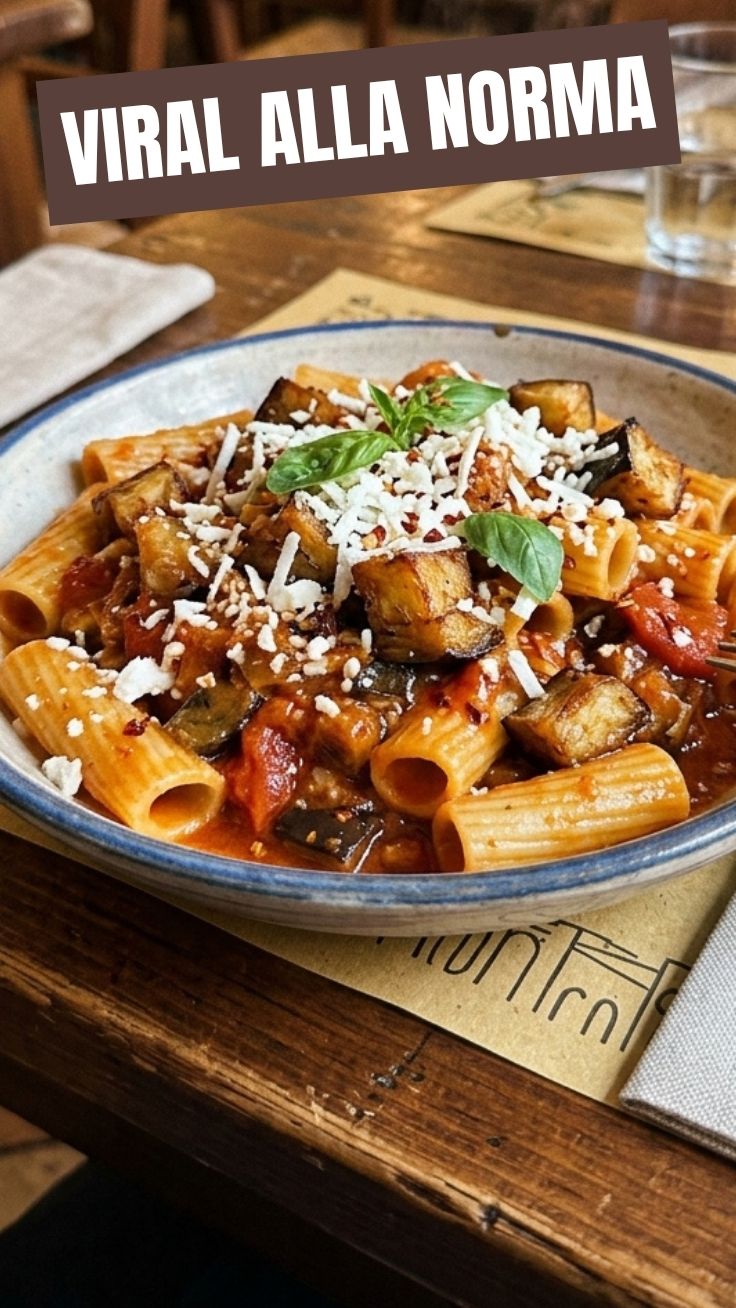
5. Assemble the Dish: Add half of the fried eggplant to the tomato sauce. Drain the cooked pasta and add it directly to the skillet with the sauce. Toss to combine, adding a splash of reserved pasta water if needed to loosen the sauce and create a glossy coating. Stir in most of the fresh basil. This ensures the pasta is beautifully coated in the rich sauce, culminating in a perfect Pasta alla Norma (Eggplant).
6. Serve: Divide the pasta among plates. Garnish each serving with the remaining fried eggplant, a generous sprinkling of grated ricotta salata (essential for true Sicilian cuisine flavor), and a few extra fresh basil leaves. Drizzle with a final touch of extra virgin olive oil if desired.
Nutritional Benefits & Advantages
Pasta alla Norma (Eggplant) is a surprisingly wholesome dish. Eggplant is a great source of dietary fiber, which aids digestion and promotes satiety. It also contains important vitamins and minerals like B vitamins, potassium, and manganese, along with powerful antioxidants that can help combat inflammation. The tomato sauce provides a rich dose of lycopene, a potent antioxidant linked to heart health. When paired with whole-grain pasta, this becomes a complete and satisfying meal that is rich in complex carbohydrates for sustained energy.
Tips, Variations & Cooking Advice
- Roasting Eggplant: If you prefer to avoid frying, you can roast the eggplant. Toss sliced eggplant with olive oil, salt, and pepper, and roast at 400°F (200°C) for 20-25 minutes, flipping halfway, until tender and caramelized.
- Spice it up: For a bolder kick, increase the red pepper flakes or add a finely chopped fresh chili to the sauce.
- Vegan Option: Omit the ricotta salata and use a plant-based parmesan alternative or nutritional yeast for a cheesy umami flavor.
- Herbs: While basil is traditional, a touch of fresh marjoram or oregano can also complement the flavors.
- Wine Pairing: A light-bodied red wine like a Nero d’Avola, Frappato, or even a crisp dry rosé from Sicily would pair wonderfully.
Common Mistakes to Avoid
- Not Salting Eggplant: Skipping this step will result in watery, greasy eggplant.
- Overcrowding the Pan: Fry eggplant in batches to ensure it browns evenly and crisps up, rather than steaming.
- Overcooking Pasta: Cook pasta only to al dente for the best texture, as it will continue to cook slightly when combined with the hot sauce.
- Skimping on Ricotta Salata: This ingredient is crucial for the authentic flavor profile. Don’t skip it or substitute with regular ricotta, which has a different texture and flavor.
Storage & Meal Prep Tips
Leftover Pasta alla Norma (Eggplant) can be stored in an airtight container in the refrigerator for up to 3-4 days. While it’s best enjoyed fresh, the flavors deepen overnight. To reheat, gently warm in a skillet over medium-low heat, adding a splash of water or vegetable broth if the sauce has thickened too much. Avoid the microwave if possible, as it can make the pasta and eggplant rubbery. Freezing is generally not recommended for pasta dishes with fried components, as the texture can suffer upon thawing.
Conclusion
There you have it: the definitive guide to crafting an unforgettable Pasta alla Norma (Eggplant). This dish isn’t just about combining ingredients; it’s about celebrating the rich culinary heritage of Sicilian cuisine, understanding the magic of simple, fresh produce, and bringing the warmth of the Mediterranean into your home. We encourage you to try this recipe and experience the true taste of Sicily for yourself. Share your culinary creations in the comments below – we’d love to hear how your journey into Italian cooking unfolds!
FAQs
Q1: Can I use pre-cut eggplant?
A1: While convenient, pre-cut eggplant may already be oxidized and can have a tougher texture. Freshly cut and salted eggplant will yield the best results.
Q2: What if I can’t find ricotta salata?
A2: Aged Pecorino Romano is the best substitute. While not identical, its salty, firm texture and sharp flavor provide a similar piquant contrast.
Q3: Can I add meat to this dish?
A3: Traditionally, Pasta alla Norma is vegetarian. Adding meat would change its classic character, but you could experiment with Italian sausage or pancetta if you wish for a different, albeit unauthentic, spin.
Q4: My eggplant is soaking up too much oil. What am I doing wrong?
A4: Ensure you’ve thoroughly salted and drained the eggplant first. Also, make sure your oil is hot enough. If the oil isn’t hot enough, the eggplant will absorb it rather than frying.
Q5: How can I make the sauce richer?
A5: A small splash of red wine or a spoonful of tomato paste added before the crushed tomatoes can add depth. However, the simplicity of quality crushed tomatoes is often preferred in authentic Norma.