Elevate Your Weeknight: The Ultimate Guide to Creamy Lemon Ricotta Pasta
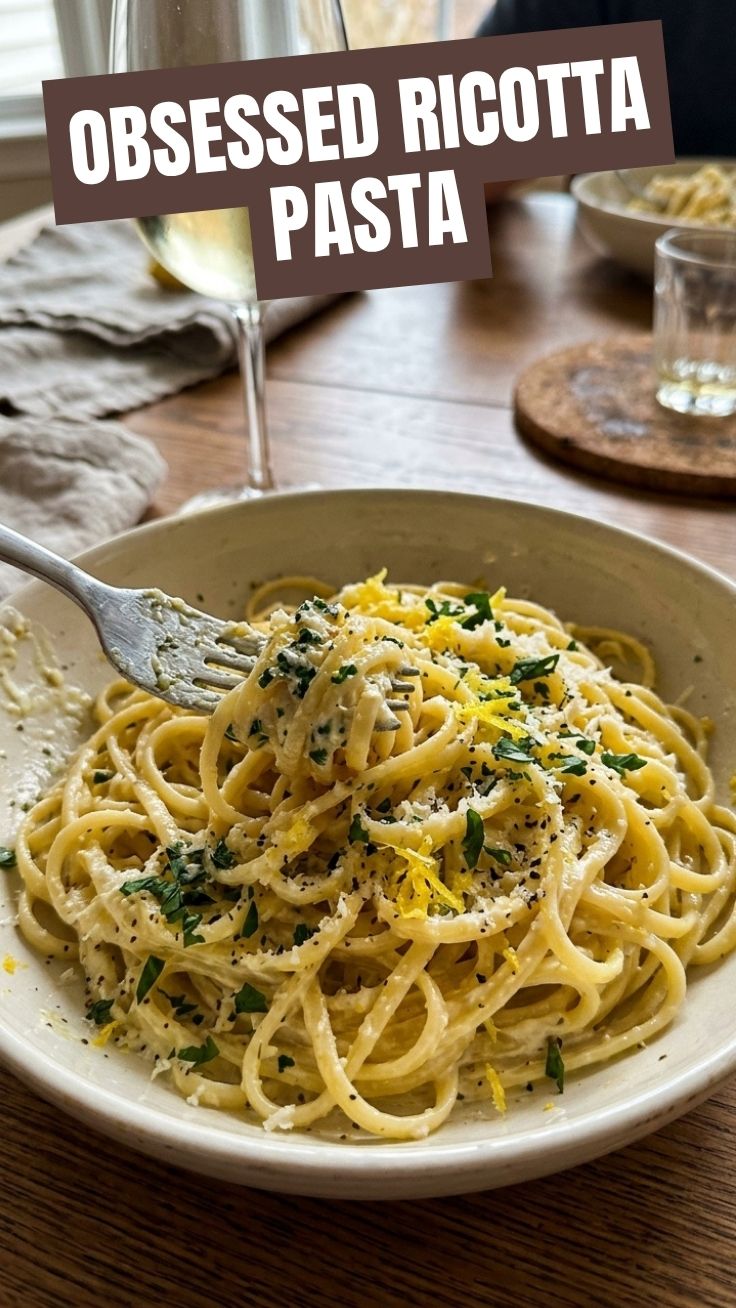
Tired of the same old dinner rotation? Imagine a dish that’s both effortlessly elegant and deeply comforting, bursting with fresh flavors and a luxurious texture. We’re talking about Lemon Ricotta Pasta – a culinary masterpiece that transforms simple ingredients into an extraordinary meal. Preparing this vibrant dish at home isn’t just about saving money; it’s about savoring the process, customizing to your palate, and impressing your loved ones with a restaurant-quality experience. This guide will walk you through creating a luscious Lemon Ricotta Pasta that rivals any trattoria, offering practical tips and insights into crafting perfect cheese pasta recipes. Get ready to awaken your taste buds!
Ingredients & Kitchen Tools
Here’s everything you’ll need to create this bright and creamy pasta, along with helpful clarifications and substitution ideas:
- 1 lb short pasta (e.g., orecchiette, conchiglie, or penne): These shapes are excellent for holding the creamy sauce.
- 1 ½ cups fresh ricotta cheese (whole milk is best for creaminess): Provides a rich, velvety texture. For a lighter version, part-skim can be used.
- ¼ cup grated Parmesan cheese (plus more for serving): Essential for savory depth and a touch of saltiness. Pecorino Romano can be a sharper alternative.
- Zest of 2 large lemons (about 2 tablespoons): The star of the show for bright, aromatic flavor. Always zest before juicing.
- Juice of 1 large lemon (about ¼ cup): Adds a tangy counterpoint to the richness.
- 3-4 tablespoons unsalted butter: Creates a silky-smooth base for the sauce. Olive oil can be used for a dairy-free option.
- 2 cloves garlic, minced: Infuses a subtle aromatic warmth. If you don’t have fresh, a ½ teaspoon garlic powder works in a pinch.
- ¼ cup pasta cooking water: The starchy liquid is crucial for emulsifying the sauce and enhancing its creaminess.
- ½ cup fresh basil, chopped (plus more for garnish): Adds a fragrant, herbaceous lift. Fresh parsley or mint can also work.
- Salt and freshly ground black pepper to taste: Season generously to bring out all the flavors.
- Large pot: For boiling the pasta.
- Large skillet or wide pan: To combine the sauce and pasta.
- Microplane or fine grater: For zesting lemons and grating cheese.
- Whisk: For combining the sauce ingredients.
Prep Time & Cooking Schedule
- Prep time: 15 minutes
- Cook time: 15-20 minutes
- Total time: 30-35 minutes
This recipe is incredibly quick, making it perfect for a weeknight meal when you want something delicious but don’t have hours to spend in the kitchen. Most of the prep can be done while the pasta water comes to a boil, ensuring a seamless cooking experience.
Step-by-Step Instructions
Follow these steps for a perfectly creamy and flavorful Lemon Ricotta Pasta:
1. Boil the Pasta: Bring a large pot of heavily salted water to a rolling boil. Add your chosen short pasta and cook according to package directions until al dente. Before draining, reserve about 1 cup of the starchy pasta cooking water. This golden liquid is key to emulsifying your sauce!
2. Prepare the Ricotta Mixture: While the pasta cooks, in a large mixing bowl, combine the fresh ricotta cheese, grated Parmesan cheese, lemon zest, and a good pinch of salt and black pepper. Whisk until smooth and well combined. This is the heart of your creamy sauce for this delicious Lemon Ricotta Pasta.
3. Sauté Aromatics: In a large skillet or wide pan over medium heat, melt the unsalted butter. Add the minced garlic and sauté for about 1 minute until fragrant. Be careful not to burn the garlic, as this can make it bitter.
4. Build the Sauce: Remove the skillet from the heat to prevent the ricotta from seizing. Add the ricotta mixture to the pan with the garlic butter. Gradually add the lemon juice and about ¼ cup of the reserved pasta water, whisking constantly until a smooth, velvety sauce forms. The heat from the pasta water will help gently warm the ricotta.
5. Combine Pasta and Sauce: Drain the al dente pasta and immediately add it to the skillet with the ricotta sauce. Toss well to ensure every piece of pasta is coated. If the sauce seems too thick, add more pasta water, one tablespoon at a time, until it reaches your desired consistency. This step is crucial for incredible cheese pasta recipes.
6. Finishing Touches: Stir in the fresh chopped basil. Taste and adjust seasoning with salt and freshly ground black pepper if needed.
7. Serve: Divide into bowls, garnish with extra Parmesan, fresh basil, and an additional sprinkle of lemon zest if desired. Serve immediately.
Nutritional Benefits & Advantages
This Lemon Ricotta Pasta offers more than just incredible flavor. Ricotta cheese is a good source of protein and calcium, essential for bone health and muscle repair. Lemons are packed with Vitamin C, a powerful antioxidant that supports the immune system. Fresh basil provides Vitamin K and various antioxidants. This dish also offers complex carbohydrates from the pasta, providing sustained energy. It’s a balanced meal that nourishes both body and soul.
Tips, Variations & Cooking Advice
- Spice it up: Add a pinch of red pepper flakes to the garlic for a subtle heat.
- Add Vegetables: Sauté some asparagus, spinach, or cherry tomatoes with the garlic for added nutrients and color.
- Protein Boost: Grilled chicken, shrimp, or even cannellini beans can be added for a more substantial meal.
- Herbs: Experiment with other fresh herbs like parsley, chives, or mint for different flavor profiles.
- Gluten-Free: Simply use your favorite gluten-free pasta.
- Dairy-Free: Use a good quality plant-based ricotta alternative and olive oil instead of butter. Nutritional yeast can add a cheesy flavor boost.
- Vegan Option: Combine plant-based ricotta, nutritional yeast, lemon zest and juice, olive oil, and herbs.
Common Mistakes to Avoid
- Overcooking the pasta: Al dente is key! Mushy pasta won’t hold the sauce well and diminishes the dish’s texture.
- Over-reducing the sauce: The ricotta sauce is delicate. Keep it off direct high heat after adding the ricotta to prevent it from curdling or becoming grainy.
- Forgetting pasta water: This starchy liquid is non-negotiable for emulsifying the sauce and getting that creamy, clingy texture.
- Skipping the lemon zest: The zest provides essential aromatic oils and a much deeper lemon flavor than juice alone.
- Under-seasoning: Don’t be shy with salt and pepper; taste and adjust frequently.
Storage & Meal Prep Tips
This Lemon Ricotta Pasta is best enjoyed fresh, as the sauce can thicken considerably upon cooling.
- Storage: If you have leftovers, store them in an airtight container in the refrigerator for up to 2-3 days.
- Reheating: Reheat gently on the stovetop over low heat, adding a splash of water, milk, or vegetable broth to loosen the sauce and restore creaminess. Avoid microwaving on high, as it can cause the ricotta to separate.
Conclusion
Creating a sensational Lemon Ricotta Pasta at home is not only achievable but also incredibly rewarding. This recipe proves that simple ingredients, when handled with care, can yield extraordinary results. The bright lemon, creamy ricotta, and fresh herbs combine to create a dish that’s both comforting and invigorating, a true testament to the versatility of cheese pasta recipes. Don’t let its elegance intimidate you; give this recipe a try this week! We’re confident it will become a cherished staple in your culinary repertoire. Share your creations with us – we love seeing your delicious meals!
FAQs
Q1: Can I make this dish ahead of time?
A1: While best served fresh, you can make the ricotta mixture a day ahead and store it in the fridge. Cook the pasta and combine right before serving for the best texture.
Q2: My sauce seems too thick/thin. What should I do?
A2: If too thick, add more reserved pasta water, one tablespoon at a time, while tossing. If too thin, try adding a little more Parmesan cheese to help thicken it, or let it sit for a minute or two – it will naturally thicken as it cools slightly.
Q3: What’s the best type of ricotta to use?
A3: Whole milk, good quality ricotta cheese will yield the creamiest and most luxurious sauce. Some brands can be quite watery, so straining it briefly through a fine-mesh sieve can help.
Q4: Can I use dried herbs instead of fresh?
A4: Fresh herbs are highly recommended for this dish as they contribute significantly to its bright, fresh flavor profile. If absolutely necessary, use about one-third the amount of dried herbs.
Q5: How can I make this dish richer?
A5: For an even richer sauce, you can add a tablespoon or two of heavy cream along with the ricotta, or finish with a drizzle of high-quality olive oil just before serving.