The Ultimate Guide to Perfect Homemade Lasagna
Ever wonder what makes a family meal truly special? Is it the aroma that fills your kitchen, the shared laughter around the table, or the comforting satisfaction of a dish made with love? For many, the answer lies in a classic: Lasagna. This iconic Italian dish, with its layers of rich sauce, savory fillings, and bubbling cheese, transcends a mere meal—it becomes an experience. Preparing this beloved dish at home offers unparalleled freshness, allows for personalized customization, and fosters a sense of warmth that no store-bought version can replicate. Beyond the sheer joy of cooking, mastering Lasagna recipes opens up a world of culinary possibilities, transforming your kitchen into an Italian trattoria. In this comprehensive guide, we’ll dive deep into crafting the perfect homemade lasagna, ensuring every bite is a memorable one.
Ingredients & Kitchen Tools
Crafting the perfect lasagna requires a thoughtful selection of ingredients and the right tools. Here’s what you’ll need:
Ingredients:
- 1 pound ground beef: (80/20 lean for flavor) – Foundation of a robust meat sauce.
- 1 large onion: (finely chopped) – Aromatic base for the sauce.
- 2-3 cloves garlic: (minced) – Essential for authentic Italian flavor.
- 28 oz can crushed tomatoes: (high quality for best results) – Provides body and a rich tomato flavor.
- 15 oz can tomato sauce: (adds depth) – Balances the crushed tomatoes.
- 6 oz can tomato paste: (concentrated flavor) – Intensifies the tomato base.
- 1/2 cup beef broth: (low sodium) – Thins the sauce slightly and adds umami.
- 2 tablespoons olive oil: (extra virgin) – For sautéing.
- 1 teaspoon dried oregano: (or 1 tbsp fresh) – Classic Italian herb.
- 1/2 teaspoon dried basil: (or 1 tbsp fresh) – Another key aromatic.
- Salt and freshly ground black pepper: (to taste) – Essential seasoning.
- 12-15 lasagna noodles: (oven-ready or traditional, cooked al dente) – The structural backbone.
- 15 oz ricotta cheese: (whole milk for creaminess) – Forms a rich, creamy layer.
- 1 large egg: (beaten) – Binds the ricotta mixture.
- 1/2 cup grated Parmesan cheese: (plus more for topping) – Salty, nutty flavor for the ricotta.
- 1/2 cup chopped fresh parsley: (adds freshness) – Brightens the ricotta layer.
- 8 oz shredded mozzarella cheese: (whole milk, low moisture) – Melts beautifully for the quintessential cheesy top.
Kitchen Tools:
- Large skillet or Dutch oven: For preparing the meat sauce.
- 9×13 inch baking dish: The standard size for lasagna.
- Large pot: If using traditional lasagna noodles for boiling.
- Mixing bowls: For preparing the ricotta mixture.
- Spatula and spoon: For stirring and layering.
- Grater: For cheese (optional, if using pre-shredded).
- Measuring cups and spoons: For precise ingredient amounts.
Prep Time & Cooking Schedule
Planning is key for a seamless lasagna experience.
- Prep Time: 30 minutes
- Cook Time: 45-55 minutes
- Resting Time: 15-20 minutes
To plan your meal, start by preparing the meat sauce, which can even be made a day in advance to deepen its flavors. While the sauce simmers, prepare your noodles and ricotta mixture. The resting time after baking is crucial; it allows the layers to set, preventing your lasagna from collapsing when sliced.
Step-by-Step Instructions
Follow these detailed steps to create a perfect homemade Lasagna:
1. Prepare the Meat Sauce: In a large skillet or Dutch oven, heat olive oil over medium heat. Add chopped onion and cook until softened (about 5-7 minutes). Add minced garlic and cook for another minute until fragrant. Add ground beef, breaking it up with a spoon, and cook until browned. Drain any excess grease. Stir in crushed tomatoes, tomato sauce, tomato paste, beef broth, oregano, basil, salt, and pepper. Bring to a simmer, then reduce heat to low, cover, and let it cook for at least 30 minutes, or longer for deeper flavor. Practical tip: A longer simmer develops a richer, more complex sauce.
2. Cook the Noodles (if not oven-ready): If using traditional lasagna noodles, boil them according to package directions until al dente. Drain and rinse with cold water to prevent sticking. Lay them flat on parchment paper or baking sheets.
3. Make the Ricotta Mixture: In a medium bowl, combine ricotta cheese, beaten egg, Parmesan cheese, and fresh parsley. Season with a pinch of salt and pepper.
4. Assemble the Lasagna: Preheat your oven to 375°F (190°C). Spread a thin layer of meat sauce in the bottom of your 9×13 inch baking dish. Lay 3-4 lasagna noodles over the sauce (they can overlap slightly). Spread half of the ricotta mixture over the noodles, then top with a layer of mozzarella cheese. Spoon another generous layer of meat sauce over the cheese. Repeat the layers: noodles, remaining ricotta, mozzarella, meat sauce. Finish with a final layer of noodles, generously topped with remaining meat sauce and a final layer of mozzarella and a sprinkle of Parmesan. Texture cue: Don’t overdo the sauce on the top layer to prevent it from bubbling over.
5. Bake: Cover the baking dish loosely with aluminum foil (you can spray the underside of the foil with non-stick spray to prevent cheese sticking). Bake for 30 minutes. Remove the foil and bake for an additional 15-20 minutes, or until the cheese is bubbly and golden brown.
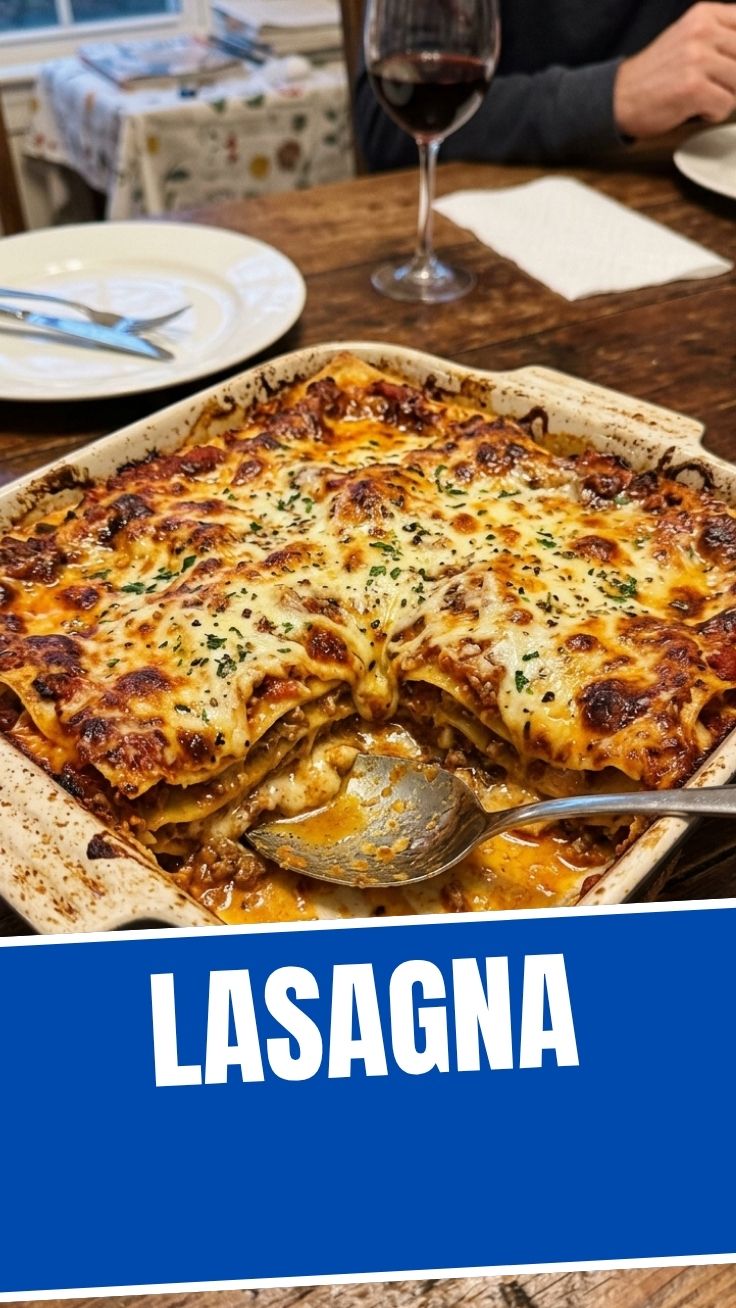
6. Rest and Serve: This is a crucial step! Let the Lasagna recipes rest for 15-20 minutes before slicing and serving. This allows the layers to set, making for cleaner cuts and preventing it from becoming a messy pile.
Following these precise steps ensures a truly satisfying homemade lasagna every time.
Nutritional Benefits & Advantages
Beyond its incredible taste, homemade lasagna offers several nutritional advantages. When made with lean ground beef and plenty of tomato-based sauce, it provides a good source of protein for muscle repair and satiety. Tomatoes are rich in lycopene, a powerful antioxidant linked to heart health. Dairy components like ricotta and mozzarella contribute calcium for bone health. By making it yourself, you control the amount of sodium and fat, opting for fresh ingredients over highly processed ones, and incorporating vegetables like spinach or mushrooms for added vitamins and fiber.
Tips Variations & Cooking Advice
- Vegetarian Version: Substitute ground beef with cooked lentils, mushrooms, or a blend of plant-based crumbles.
- Spice It Up: Add a pinch of red pepper flakes to the meat sauce for a subtle kick.
- Greens Power: Incorporate a layer of blanched spinach or sautéed kale into the ricotta mixture for extra nutrients.
- Cheesy Variations: Experiment with different cheeses like provolone, fontina, or a blend of Italian cheeses.
- Make Ahead: The meat sauce can be prepared up to 3 days in advance. The entire lasagna can be assembled and refrigerated for up to 24 hours before baking.
- Gluten-Free: Use gluten-free lasagna noodles for a dietary adaptation.
Common Mistakes to Avoid
- Overcooking Noodles: If using traditional noodles, don’t boil them to mush. Al dente is key, as they will continue to cook in the oven.
- Too Much Sauce: While tempting, excessive sauce can make your lasagna watery and prone to falling apart.
- Not Enough Rest Time: Slicing immediately after baking is a common mistake that leads to a messy, unstable presentation. Be patient!
- Dry Lasagna: Ensure every layer has enough moisture from the sauce or ricotta to prevent dryness.
Storage & Meal Prep Tips
Leftover lasagna is often even better the next day!
- Refrigeration: Store cooled lasagna in an airtight container in the refrigerator for up to 3-4 days.
- Freezing: For longer storage, wrap individual slices or the entire baking dish (if unfrosted) tightly in plastic wrap and then aluminum foil. Freeze for up to 2-3 months.
- Reheating:
* From Refrigerator: Reheat individual slices in the microwave until hot, or in an oven at 350°F (175°C) covered with foil for 20-30 minutes, then uncovered for 5-10 minutes.
* From Freezer: Thaw overnight in the refrigerator, then reheat as above. Alternatively, bake frozen (covered) at 375°F (190°C) for 1 hour, then uncovered for 15-20 minutes.
Conclusion
Crafting a homemade Lasagna is more than just cooking; it’s an act of love, a tradition, and a guarantee of deliciousness. With this guide, you now possess all the knowledge to create a truly spectacular dish that will impress family and friends alike. Don’t be intimidated by the layers; the process is incredibly rewarding, and the end result—a bubbling, cheesy, and deeply savory lasagna—is worth every moment. So, roll up your sleeves, gather your ingredients, and embark on your culinary journey to master these Lasagna recipes. We encourage you to try this recipe, personalize it, and share your masterpiece with us! What are your favorite lasagna variations? Share in the comments below!
FAQs
Q1: Can I make this lasagna ahead of time?
A1: Yes! You can assemble the entire lasagna (without baking) and refrigerate it for up to 24 hours. Let it come to room temperature for about 30 minutes before baking, and you might need to add 10-15 minutes to the baking time.
Q2: What’s the secret to preventing watery lasagna?
A2: Ensure your meat sauce has simmered long enough to thicken, thoroughly drain any excess liquid from the cooked ground beef, and avoid overfilling the layers with sauce. Also, letting the lasagna rest after baking is crucial for it to set.
Q3: Can I use no-boil lasagna noodles?
A3: Absolutely. Follow the package instructions for no-boil noodles, often requiring more liquid in the sauce to cook properly. Some brands work better than others, so read reviews.
Q4: How can I make my lasagna richer?
A4: Use whole milk ricotta and mozzarella, and consider adding a splash of red wine to your meat sauce for a deeper, more sophisticated flavor profile. You can also add a layer of béchamel sauce for ultimate richness.
Q5: What are some good side dishes to serve with lasagna?
A5: A simple green salad with a vinaigrette dressing, garlic bread or crusty Italian bread, and perhaps some steamed or roasted vegetables like asparagus or broccoli.