The Ultimate Guide to Crafting the Perfect Homemade Greek Salad
Ever wondered how to bring the vibrant, sun-drenched flavors of the Mediterranean right into your kitchen? There’s something undeniably appealing about a dish that’s both bursting with freshness and incredibly simple to prepare. This classic Greek Salad isn’t just a side dish; it’s a celebration of simple, high-quality ingredients coming together in perfect harmony. Preparing it at home allows you to control the freshness of every component, from the crisp cucumbers to the briny olives, resulting in a far superior taste experience compared to any store-bought alternative. Today, we’re diving deep into mastering the art of the Greek Salad Recipe, ensuring every bite transports you to the Aegean coast.
Ingredients & Kitchen Tools
Crafting the perfect Greek Salad starts with selecting the best ingredients and having the right tools on hand.
- Ingredients:
* 2-3 ripe Tomatoes: Choose firm, red tomatoes like Roma or beefsteak, offering sweetness and juiciness.
* 1 large Cucumber: English or Persian cucumbers work best, providing a refreshing crunch with fewer seeds.
* 1/2 Red Onion: Thinly sliced, for a sharp, pungent kick that mellows slightly with the dressing.
* 1 bell pepper (green or yellow): Adds a vibrant color and a slightly sweet, crisp texture.
* 1 cup Kalamata Olives (pitted): Essential for their rich, briny, and slightly fruity flavor.
* 4 oz Feta Cheese: Opt for a block of genuine Greek feta, preferably sheep’s or goat’s milk, for its crumbly texture and tangy, salty profile.
* 1/4 cup Extra Virgin Olive Oil: Crucial for the dressing, providing a fruity, peppery base.
* 2 tbsp Red Wine Vinegar: Adds a necessary tang and acidity to balance the flavors.
* 1 tsp Dried Oregano: The quintessential Greek herb, offering an earthy, aromatic touch.
* Salt and Freshly Ground Black Pepper: To taste, enhancing all the natural flavors.
- Kitchen Tools:
* Large Mixing Bowl: For combining all the salad ingredients without spillage.
* Sharp Knife: Essential for precise slicing and dicing of vegetables.
* Cutting Board: A stable surface for safe ingredient preparation.
* Whisk or Fork: For emulsifying the dressing ingredients.
* Measuring Spoons and Cups: For accurate ingredient quantities.
Prep Time & Cooking Schedule
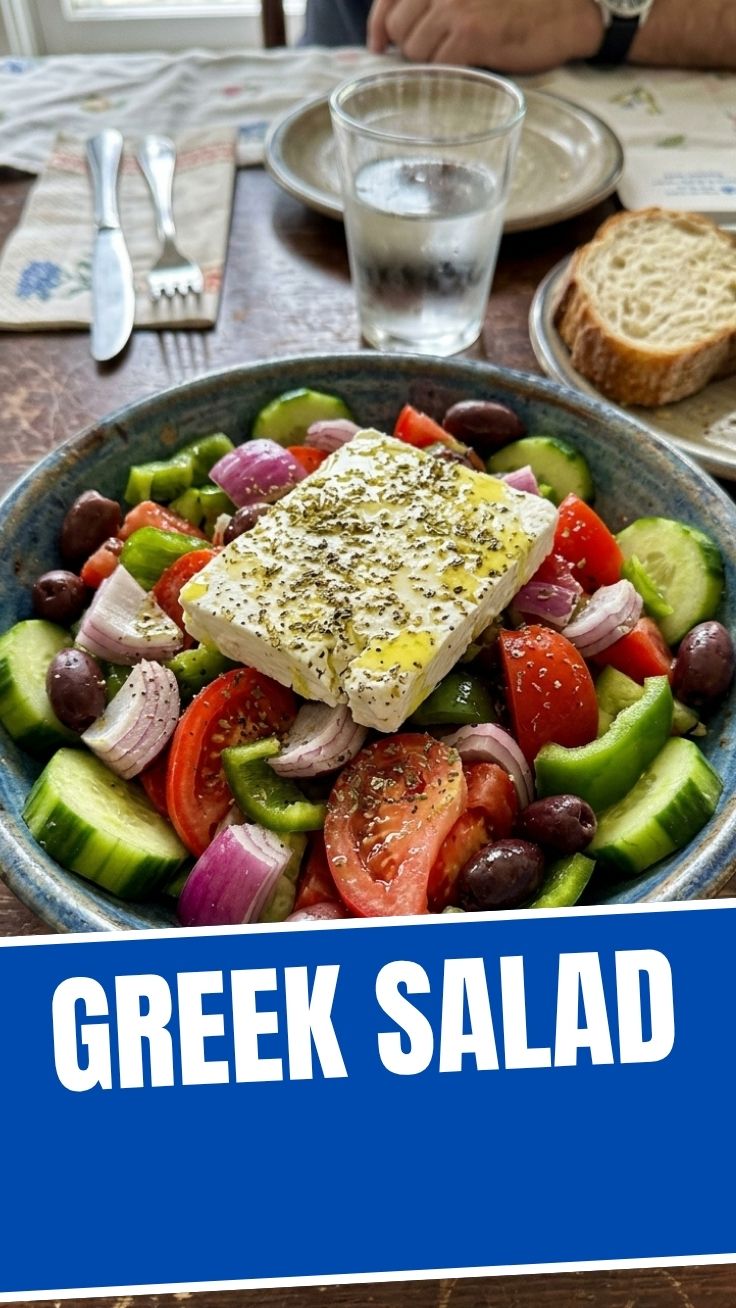
One of the beauties of a Greek Salad is its minimal preparation time, making it an ideal choice for quick lunches or last-minute dinner sides.
- Prep Time: 15-20 minutes (depending on your speed with a knife)
- Cook Time: 0 minutes (no cooking required!)
- Resting Time: 10-15 minutes (optional, but recommended for flavors to meld)
Allowing the salad to rest briefly after dressing helps the vegetables absorb the flavors of the vinaigrette, resulting in a more cohesive and delicious dish. This can be prepped just before serving or a short while in advance.
Step-by-Step Instructions
Follow these simple steps to create a flawless Greek Salad that will impress every time.
1. Prepare the Vegetables: Wash all your produce thoroughly. Roughly chop the tomatoes into bite-sized pieces. Slice the cucumber into half-moons or dice it. Thinly slice the red onion and bell pepper. Add all these to your large mixing bowl.
2. Add Olives and Feta: Toss in the pitted Kalamata olives. Crumble the block of feta cheese over the vegetables. Resist the urge to use pre-crumbled feta; the block offers superior flavor and texture.
3. Make the Dressing: In a separate small bowl, whisk together the extra virgin olive oil, red wine vinegar, and dried oregano. Season generously with salt and freshly ground black pepper. Adjust to your taste preferences.
4. Dress the Salad: Pour the prepared dressing over the vegetables, olives, and feta.
5. Toss Gently: Using tongs or clean hands, gently toss the ingredients until everything is evenly coated with the dressing. Be careful not to over-mix, especially with the feta, to maintain its texture.
6. Serve: For the best results, let the Greek Salad Recipe sit for about 10-15 minutes at room temperature before serving. This allows the flavors to meld beautifully.
Nutritional Benefits & Advantages
This vibrant salad is a powerhouse of nutrition. Tomatoes are rich in lycopene, an antioxidant, while cucumbers provide hydration and essential vitamins. The red onion offers quercetin, a flavonoid known for its anti-inflammatory properties. Kalamata olives contribute healthy monounsaturated fats. Feta cheese provides calcium and protein. The olive oil-based dressing is packed with healthy fats, which are crucial for nutrient absorption and heart health. It’s naturally gluten-free and can easily be made vegetarian or vegan by omitting or substituting the feta.
Tips, Variations & Cooking Advice
- Extra Virgin Olive Oil Quality: Use the best quality extra virgin olive oil you can find; it truly makes a difference.
- Spice It Up: For a subtle kick, add a pinch of red pepper flakes to the dressing.
- Herb Variations: While oregano is traditional, fresh dill or mint can add an interesting twist.
- Protein Boost: Add grilled chicken, chickpeas, or roasted salmon to make it a more substantial meal.
- Dietary Adaptations:
* Dairy-Free/Vegan: Substitute feta with a good quality vegan feta alternative or omit it entirely.
* Gluten-Free: The recipe is naturally gluten-free.
Common Mistakes to Avoid
- Overdressing: Start with less dressing and add more if needed. You want the vegetables to be coated, not swimming.
- Pre-cutting too early: Dice tomatoes and cucumbers just before mixing to prevent them from becoming watery.
- Using cold ingredients: Serve at room temperature for the best flavor release. Remove ingredients from the fridge about 15-20 minutes before assembling.
- Imitation Feta: Avoid pre-crumbled feta or non-Greek feta, which often lacks the authentic tang and texture.
Storage & Meal Prep Tips
While a Greek Salad is best enjoyed fresh, you can prepare some components in advance.
- Storage: Store leftover salad in an airtight container in the refrigerator for up to 2 days. Be aware that the vegetables may soften slightly, and the dressing might separate.
- Meal Prep: You can chop the vegetables (excluding tomatoes for immediate freshness) and prepare the dressing separately. Store them in individual containers in the fridge. Combine and dress just before serving for optimal freshness.
- Reheating: This salad is not suitable for reheating. It’s designed to be consumed cold or at room temperature.
Conclusion
Creating a classic Greek Salad at home is a rewarding experience that brings vibrant flavors and wholesome goodness to your table with minimal effort. This guide has equipped you with all the knowledge to master this delightful dish, from selecting the freshest ingredients to perfecting the tangy dressing. So, go ahead and embark on this culinary journey; your taste buds will thank you! We encourage you to try this amazing Greek Salad Recipe and share your delightful creations.
FAQs
Q1: Can I make the dressing in advance?
A1: Yes, the dressing can be made and stored in an airtight jar in the refrigerator for up to a week. Whisk well before using.
Q2: What’s the best type of olive for Greek Salad?
A2: Kalamata olives are traditional and highly recommended for their rich, briny flavor unique to Greek salads.
Q3: How can I make my red onion less pungent?
A3: After slicing, you can soak the red onion in cold water for 10-15 minutes. This helps to mellow its sharpness without losing its flavor.
Q4: Can I add other vegetables to the Greek Salad?
A4: While the traditional Greek Salad is quite specific, feel free to add ingredients like artichoke hearts or even some romaine lettuce for extra crispness, though it technically deviates from the authentic “Horiatiki” style.