Unlock Bistro Flavors at Home: Your Guide to Perfect Garlic Butter Shrimp!
Ever dreamed of recreating that irresistible restaurant-quality dish in your own kitchen? The good news is, you absolutely can! Today, we’re diving deep into the delectable world of Garlic Butter Shrimp – a dish celebrated for its succulent texture and incredibly rich, aromatic garlic butter sauce. Preparing this classic at home isn’t just about saving money; it’s about mastering a culinary skill, controlling your ingredients, and customizing flavors to your exact preference. Imagine the joy of serving a dish that’s both elegant and effortlessly delicious, a true testament to your home cooking prowess. Get ready to impress your taste buds and your dinner guests!
Ingredients & Kitchen Tools
To embark on this culinary adventure, gather these essential items:
- 1 pound large shrimp, peeled and deveined (tail-on or tail-off): Fresh or frozen (thawed) shrimp work best for optimal flavor and texture.
- 4-6 cloves garlic, minced: The star of our show! Freshly minced garlic provides the most potent aroma and taste.
- 1/2 cup unsalted butter: The foundation of our luxuriant garlic butter sauce. Unsalted allows for better control over seasoning.
- 1/4 cup dry white wine or chicken broth: Adds depth and helps deglaze the pan, creating a richer sauce.
- 2 tablespoons fresh lemon juice: Brightens the flavors and balances the richness of the butter.
- 2 tablespoons fresh parsley, chopped: For a pop of color and herbaceous freshness.
- 1/2 teaspoon red pepper flakes (optional): A hint of heat to elevate the dish.
- Salt and freshly ground black pepper to taste: Essential for seasoning and bringing out the best in the ingredients.
- Large skillet or frying pan: Preferably non-stick or cast iron for even cooking.
- Tongs: For easy handling and turning of shrimp.
- Measuring spoons and cups: For accurate ingredient proportions.
- Cutting board and sharp knife: For prepping garlic and parsley.
Prep Time & Cooking Schedule
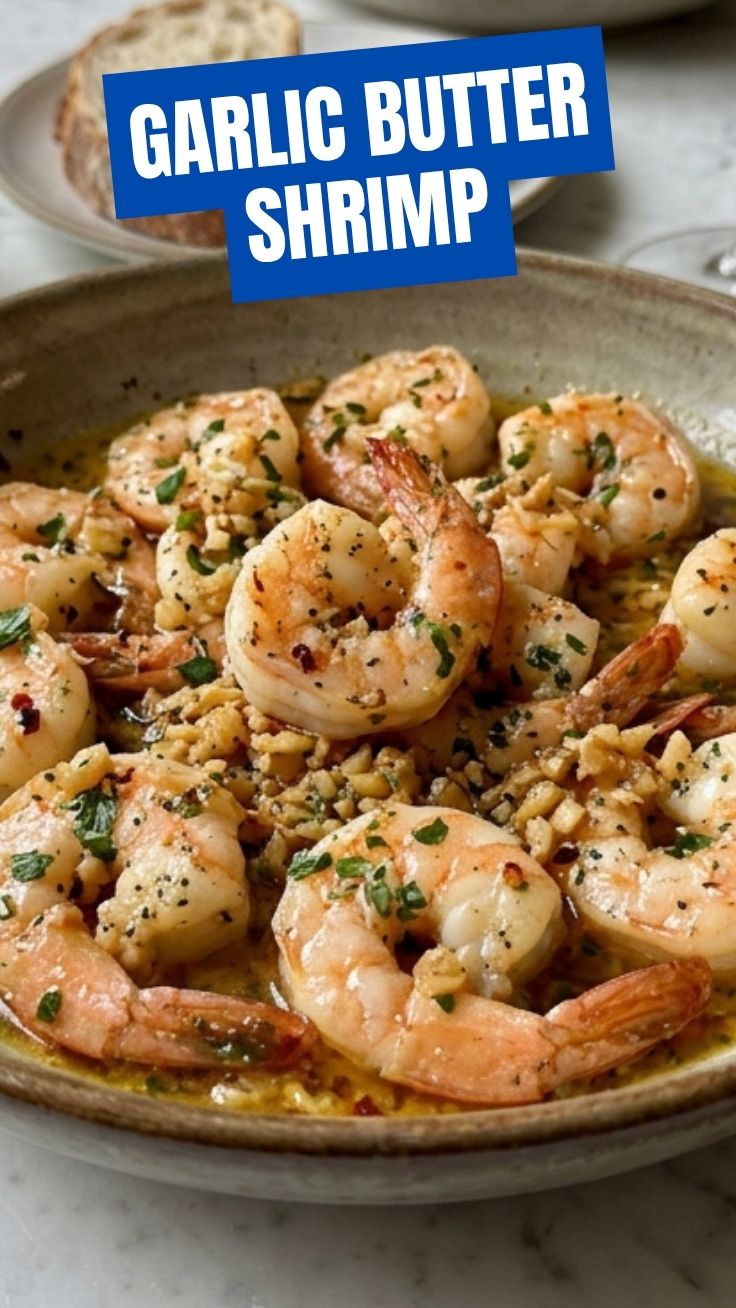
This recipe is prized for its speed and efficiency, making it perfect for weeknight dinners or rapid entertaining.
- Prep Time: 10-15 minutes (mainly for peeling/deveining shrimp and mincing garlic).
- Cook Time: 5-7 minutes (shrimp cooks very quickly!).
- Resting Time: None required – best served immediately.
Plan to have all your ingredients prepped and ready to go before you start cooking, as the actual cooking process is incredibly fast. This “mise en place” approach ensures a smooth and stress-free culinary experience.
Step-by-Step Instructions
Let’s transform those simple ingredients into an extraordinary meal. Follow these steps for perfect Garlic Butter Shrimp, ensuring each bite is coated in that luscious garlic butter sauce.
1. Prepare the Shrimp: Pat the peeled and deveined shrimp dry with paper towels. This crucial step helps them sear better and prevents them from steaming. Season lightly with salt and pepper.
2. Melt the Butter & Sauté Garlic: In a large skillet over medium heat, melt the unsalted butter. Once melted and shimmering, add the minced garlic and red pepper flakes (if using). Cook for about 60 seconds, stirring constantly, until the garlic is fragrant but not browned. Be careful not to burn the garlic, as it can turn bitter.
3. Sear the Shrimp: Increase the heat to medium-high. Add the seasoned shrimp to the skillet in a single layer. Cook for 1-2 minutes per side, just until the shrimp turn pink and opaque. Overcooking will make them rubbery.
4. Deglaze and Finish the Sauce: Pour in the white wine or chicken broth. Bring to a gentle simmer, scraping up any browned bits from the bottom of the pan – these bits are packed with flavor! Allow the liquid to reduce slightly, about 1-2 minutes.
5. Add Lemon & Parsley: Remove the skillet from the heat. Stir in the fresh lemon juice and chopped parsley. Taste and adjust seasoning with additional salt and pepper if needed. Serve immediately.
Nutritional Benefits & Advantages
Beyond its incredible taste, Garlic Butter Shrimp offers several nutritional perks. Shrimp is an excellent source of lean protein, low in calories, and rich in essential nutrients like selenium, vitamin B12, iron, and phosphorus. Garlic is renowned for its immune-boosting properties and antioxidant compounds. While butter adds richness, using it in moderation and balancing it with fresh lemon and herbs makes this a flavorful yet relatively healthy option, especially when served with a vibrant side like steamed vegetables or a fresh salad.
Tips, Variations & Cooking Advice
- Flavor Boosts: For an extra layer of flavor, consider adding a pinch of smoked paprika or a splash of Worcestershire sauce to the garlic butter sauce.
- Herb Swaps: While parsley is classic, feel free to experiment with fresh dill or cilantro for a different aromatic profile.
- Spice Level: Adjust the red pepper flakes to your heat preference. For more kick, add a pinch of cayenne pepper.
- Serving Suggestions: This versatile dish pairs wonderfully with pasta (linguine or spaghetti), rice (white or brown), quinoa, or a crusty baguette to soak up all that delicious sauce. It’s also fantastic as a standalone appetizer.
- Dairy-Free Option: For a dairy-free version, substitute unsalted butter with a high-quality plant-based butter alternative or olive oil.
Common Mistakes to Avoid
- Overcooking the Shrimp: This is the most common error! Shrimp cooks quickly; aim for just pink and opaque, not curled tightly and rubbery.
- Burning the Garlic: Keep a close eye on the garlic; it can quickly go from fragrant to bitter. Cook it gently over medium heat.
- Skipping the Pat Dry Step: Wet shrimp will steam instead of sear, leading to a less desirable texture.
- Crowding the Pan: If cooking a large batch, cook the shrimp in two batches to ensure even searing and prevent overcrowding, which lowers the pan’s temperature.
Storage & Meal Prep Tips
Garlic Butter Shrimp is best enjoyed fresh off the stove. However, if you have leftovers:
- Refrigeration: Store cooled shrimp in an airtight container in the refrigerator for up to 1-2 days. The texture may soften slightly.
- Freezing: Freezing cooked shrimp is not recommended, as it can significantly alter the texture, making it tough and rubbery upon thawing and reheating.
- Reheating: Gently reheat leftovers in a skillet over low heat with a tiny splash of broth or water to prevent drying out. You can also microwave briefly, but be careful not to overcook.
Conclusion
There you have it – a simple yet sophisticated dish that proves gourmet flavors are well within reach for the home cook. This Garlic Butter Shrimp recipe, with its incredible garlic butter sauce, is a true crowd-pleaser that delivers on taste, elegance, and ease. We encourage you to try this recipe tonight and experience the satisfaction of creating a restaurant-worthy meal in your own kitchen! Share your culinary creations and favorite serving ideas in the comments below. Happy cooking!
FAQs
Q1: Can I use frozen shrimp?
A1: Yes, absolutely! Just make sure to thaw them completely in the refrigerator overnight or under cold running water before patting them dry for cooking.
Q2: What can I substitute for white wine?
A2: Chicken broth, vegetable broth, or even a squeeze of orange juice (for a touch of sweetness) are excellent non-alcoholic alternatives that will still add depth to the sauce.
Q3: My shrimp turned out rubbery. What did I do wrong?
A3: This is a classic sign of overcooked shrimp. Shrimp cooks very quickly, typically 1-2 minutes per side. Watch closely and remove them from the heat as soon as they turn pink and opaque.
Q4: How can I make the garlic butter sauce creamier?
A4: For an even creamier sauce, stir in a tablespoon or two of heavy cream or half-and-half after step 4, just before adding the lemon juice and parsley, and let it simmer gently for a minute.
Q5: What’s the best way to peel and devein shrimp?
A5: Locate the vein along the shrimp’s back (its digestive tract). Use a small paring knife to make a shallow cut along the curved back, then use the tip of the knife or your fingers to pull out the dark stringy vein. Then, gently peel away the shell, leaving the tail on or off as desired.