Unlock Culinary Perfection: Your Guide to Mastering Delicious Baked Salmon
Ever wondered if you could create a restaurant-quality salmon dish right in your own kitchen with minimal fuss? The answer is a resounding yes, and you’re about to discover how! Mastering the art of baking salmon at home isn’t just about saving money; it’s about unlocking a world of fresh flavors, customizable preparations, and the undeniable satisfaction of serving a truly healthy, homemade meal. This guide will walk you through crafting a succulent Baked Salmon that’s both effortless and incredibly delicious. Forget dry, overcooked fish; we’re aiming for flaky perfection every time. And for those seeking a different smoky dimension, we’ll also touch upon the magnificent flavors of a well-prepared Cedar Plank Salmon.
Ingredients & Kitchen Tools
Gather your culinary arsenal!
- Salmon Fillets (1.5 lbs, skin-on or off): Opt for wild-caught Atlantic or Pacific for best flavor and sustainability. Skin-on helps keep the fish moist.
- Olive Oil (2 tablespoons): Extra virgin for a fruity aroma, or regular for a milder taste.
- Lemon (1, sliced): Adds bright, zesty notes and a fresh aroma.
- Fresh Dill (2 tablespoons, chopped): Classic pairing, offers a delicate, herbaceous flavor.
- Garlic (3 cloves, minced): Essential for an aromatic base and savory depth.
- Salt (1 teaspoon, or to taste): Enhances all other flavors. Sea salt or kosher salt preferred.
- Black Pepper (1/2 teaspoon, freshly ground): Adds a subtle kick.
- Optional Spices: Paprika (for color and mild sweetness), onion powder, chili flakes (for a touch of heat).
- Baking Sheet: With raised edges to contain juices.
- Parchment Paper or Aluminum Foil: For easy cleanup and to prevent sticking.
- Small Mixing Bowl: For combining seasonings.
- Basting Brush: For even oil distribution.
- Instant-Read Thermometer: Crucial for perfectly cooked fish (internal temp 145°F/63°C).
Prep Time & Cooking Schedule
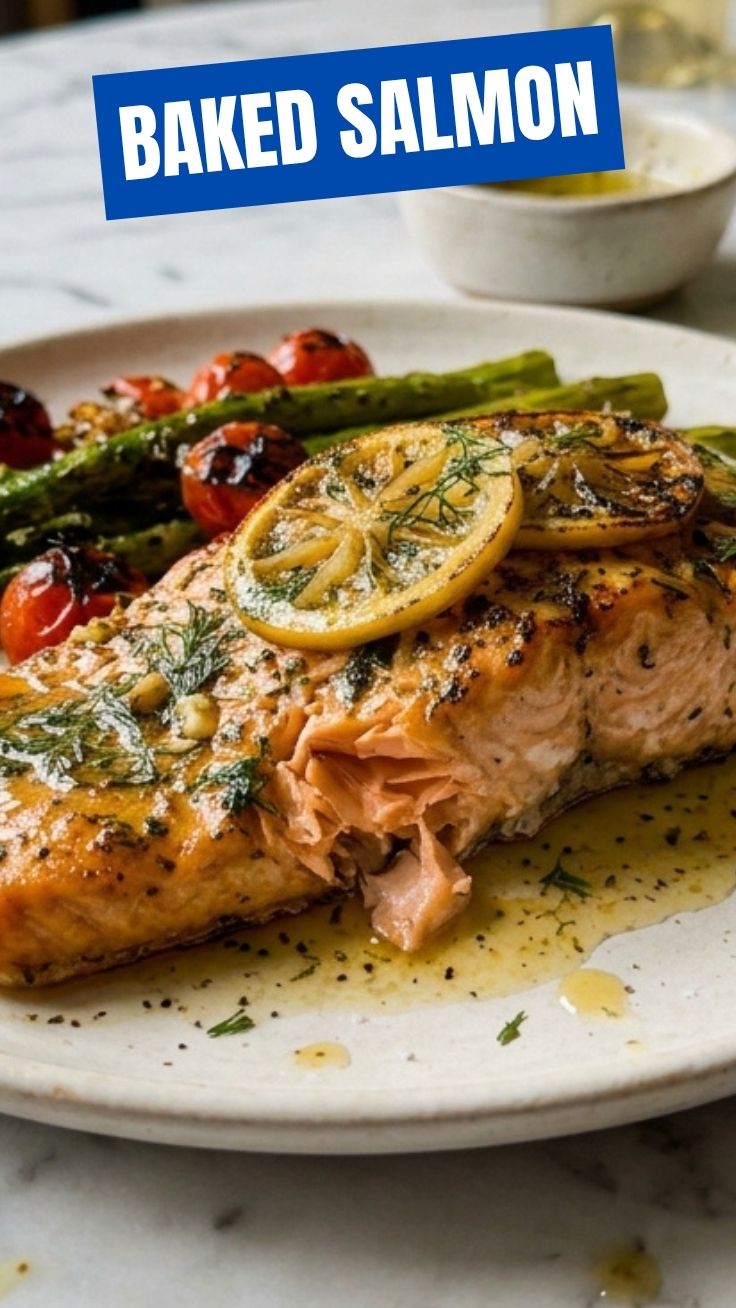
This recipe is designed for efficiency and flavor!
- Prep Time: 10 minutes
- Cook Time: 12-18 minutes (depending on thickness)
- Resting Time: 5 minutes
- Total Time: Approximately 25-30 minutes
Plan to start prepping your salmon about 30 minutes before you want to serve dinner. If you’re pairing it with sides like roasted vegetables or rice, start them first, as they often require longer cooking times.
Step-by-Step Instructions
Let’s transform simple ingredients into a show-stopping meal.
1. Preheat & Prep: Preheat your oven to 400°F (200°C). Line a baking sheet with parchment paper or aluminum foil for easy cleanup.
2. Seasoning Blend: In a small bowl, whisk together the olive oil, minced garlic, chopped fresh dill, salt, and black pepper. If using, add optional spices like paprika now.
3. Prepare Salmon: Pat the salmon fillets dry with paper towels. This helps achieve a better crust and seasoning adhesion. Place them on the prepared baking sheet, skin-side down if applicable.
4. Flavor Infusion: Generously brush the olive oil mixture over the flesh of each salmon fillet, ensuring an even coating. Arrange lemon slices over the salmon.
5. Bake to Perfection: Bake for 12-18 minutes, or until the salmon is opaque and flakes easily with a fork. The exact time will depend on the thickness of your fillets. For precise cooking, the internal temperature should reach 145°F (63°C) at its thickest part. This method ensures a perfectly cooked Baked Salmon every time. For those curious about a different preparation, achieving a perfectly cooked Cedar Plank Salmon often involves a slightly lower temperature and longer cooking time to infuse the smoky flavor.
6. Rest & Serve: Remove the salmon from the oven and let it rest on the baking sheet for 5 minutes. This allows the juices to redistribute, resulting in a more tender and moist fish. Serve immediately with your favorite sides.
Nutritional Benefits & Advantages
Salmon isn’t just delicious; it’s a nutritional powerhouse! It’s an excellent source of omega-3 fatty acids, renowned for supporting heart health, reducing inflammation, and boosting brain function. This lean protein also provides a significant amount of vitamin D, essential for bone health, and B vitamins, vital for energy production. Opting for baked salmon also means less added fat compared to pan-frying, making it a lighter, healthier choice for any meal.
Tips, Variations & Cooking Advice
- Flavor Boosts: Experiment with different herbs like parsley, chives, or thyme. A touch of dijon mustard or a sprinkle of brown sugar can add a delightful glaze.
- Spice It Up: Add a pinch of cayenne pepper or red pepper flakes for a spicier kick. Cajun seasoning or a lemon-herb blend also works wonderfully.
- Alternative Cooking: While baking is fantastic, grilling or pan-searing are great options. For a smoky flavor without a plank, use a grill pan with some wood chips.
- Pairing Perfection: Salmon pairs beautifully with roasted asparagus, steamed broccoli, quinoa, rice pilaf, or a fresh green salad.
- Portion Control: A standard serving size is typically 4-6 ounces (113-170 grams) per person.
Common Mistakes to Avoid
- Overcooking: This is the cardinal sin of salmon! Overcooked salmon turns dry and chalky. Use an instant-read thermometer to avoid this.
- Not Patting Dry: This prevents the seasoning from adhering properly and can lead to a less flavorful crust.
- Cold Salmon: Allow salmon to sit at room temperature for 10-15 minutes before baking. This promotes more even cooking.
- Crowding the Pan: If cooking multiple fillets, ensure they have enough space on the baking sheet to cook evenly. Use two sheets if necessary.
Storage & Meal Prep Tips
Leftover salmon can be a delicious addition to various meals! Store cooled, leftover baked salmon in an airtight container in the refrigerator for up to 3 days. It’s fantastic flaked into salads, sandwiches, or even
reheated gently in the microwave or oven until just warm. Avoid aggressively reheating, as this can dry it out. For longer storage, cooked salmon can be frozen for up to 1 month, though the texture might be slightly softer upon thawing.
Conclusion
You’ve now got all the tools and knowledge to consistently create a delicious and healthy salmon dish! Whether you’re preparing a simple weeknight dinner or a special meal for guests, this Baked Salmon recipe is a culinary triumph that’s both approachable and incredibly satisfying. Don’t be afraid to experiment with different seasonings, but always prioritize proper cooking techniques to achieve that perfect, flaky result. And for those moments when you crave a touch of smoke, remember the delightful complexity of a Cedar Plank Salmon. We encourage you to try this recipe, share your creations, and let us know your favorite variations in the comments below!
FAQs
Q1: Can I use frozen salmon?
A1: Yes, absolutely! Thaw frozen salmon thoroughly in the refrigerator overnight before patting it dry and proceeding with the recipe.
Q2: How do I know if my salmon is cooked without a thermometer?
A2: The salmon should flake easily when gently prodded with a fork in its thickest part, and the flesh should be opaque throughout.
Q3: What if I don’t have fresh dill?
A3: You can substitute 1 teaspoon of dried dill for 2 tablespoons of fresh dill, or use other fresh herbs like parsley or chives.
Q4: Can I add vegetables to the baking sheet?
A4: Yes! Cut sturdy vegetables like asparagus, broccoli florets, or chopped bell peppers into similar-sized pieces, toss them with a little olive oil and seasoning, and roast them alongside the salmon. They may need a few minutes head start depending on density.
Q5: My salmon always tastes bland. What am I doing wrong?
A5: Ensure you’re seasoning generously! Don’t skimp on salt and pepper, and consider adding a little garlic powder and onion powder to your mix for more depth of flavor. A squeeze of fresh lemon juice after baking also brightens the taste considerably.