“`html
Ever wondered if you could capture the irresistible aroma and crispy texture of your favorite street food right in your own kitchen? Making Falafel (Homemade) is not just achievable; it’s incredibly rewarding! There’s a special satisfaction that comes from creating a dish from scratch, knowing exactly what goes into it, and tailoring it to your taste. This recipe will guide you through crafting perfectly golden, flavorful falafel that will quickly become a household favorite. Using readily available ingredients, this homemade version surpasses many store-bought options, delivering a fresh and authentic experience right to your plate. We’ll delve into the simple yet crucial steps, ensuring your falafel turns out amazing every single time, with the humble Chickpea at its heart.
Ingredients & Kitchen Tools
- 1 ½ cups dried chickpeas (never canned for falafel!), soaked overnight – Essential for the right texture and consistency.
- ½ cup fresh parsley, chopped – Adds vibrant color and fresh herbaceous flavor.
- ½ cup fresh cilantro, chopped – Complements the parsley with its unique aroma.
- 1 medium onion, roughly chopped – Provides a foundational savory base.
- 4-5 cloves garlic, minced – For a pungent, aromatic kick.
- 1 teaspoon ground cumin – A cornerstone spice in falafel, offering warmth and depth.
- 1 teaspoon ground coriander – Pairs perfectly with cumin, enhancing the overall spice profile.
- ½ teaspoon cayenne pepper (optional) – For a subtle heat; adjust to your preference.
- 1 teaspoon salt – Essential for seasoning and bringing out flavors.
- ½ teaspoon black pepper – For a balanced seasoning.
- ¼ teaspoon baking soda – Helps achieve a lighter, fluffier interior.
- 2 tablespoons all-purpose flour (or chickpea flour for gluten-free) – Binds the mixture slightly, preventing crumbling.
- Vegetable oil, for frying – Any neutral oil with a high smoke point (canola, sunflower, grapeseed).
Kitchen Tools:
- Food processor – Crucial for achieving the correct texture for the falafel mixture.
- Large mixing bowl – For combining ingredients.
- Measuring cups and spoons – For accurate ingredient ratios.
- Deep pot or Dutch oven – For frying the falafel.
- Slotted spoon or spider – For safely removing falafel from hot oil.
- Baking sheet lined with paper towels – For draining excess oil.
Prep Time & Cooking Schedule
- Prep Time: 20 minutes (after chickpeas are soaked)
- Soaking Time: 8-12 hours (overnight for chickpeas)
- Cooking Time: 15-20 minutes
- Resting Time (after mixing): 30 minutes (optional, but recommended for flavor development and easier shaping)
Plan to start soaking your chickpeas the day before you intend to make your homemade falafel. This extended soaking time is non-negotiable for the best texture. The actual preparation on cooking day is relatively quick, allowing you to enjoy fresh falafel with minimal fuss.
Step-by-Step Instructions
- Soak the Chickpeas: Place the dried chickpeas in a large bowl and cover with cold water by several inches. Let them soak overnight (8-12 hours) until plump and easily crushed between your fingers. Drain thoroughly before proceeding. Do not cook them!
- Prepare the Mixture: In a food processor, combine the drained chickpeas, chopped parsley, cilantro, onion, garlic, cumin, coriander, cayenne pepper (if using), salt, and black pepper. Pulse until the mixture is finely chopped but not a paste. You should still see small pieces of chickpeas and herbs. Avoid over-processing, as this can result in dense falafel.
- Add Binders & Leavening: Transfer the mixture to a large bowl. Stir in the baking soda and flour. Mix well with your hands to combine everything thoroughly. The mixture should hold together when squeezed. For the perfect texture for your Falafel (Homemade), ensure the dough isn’t too wet or too dry; adjust with a tiny bit more flour if needed.
- Shape the Falafel: Using your hands or a falafel scooper, form small patties or balls, about 1-inch in diameter. Gently flatten them slightly if desired, as this can help them cook more evenly. The humble Chickpea is incredibly versatile for shaping!
- Heat the Oil: Pour vegetable oil into a deep pot or Dutch oven to a depth of about 2-3 inches. Heat the oil over medium-high heat until it reaches 350-375°F (175-190°C). Use a kitchen thermometer to ensure accuracy. If you don’t have one, drop a tiny piece of the mixture into the oil; it should sizzle immediately and float to the surface.
- Fry the Falafel: Carefully add a few falafel patties to the hot oil, ensuring not to overcrowd the pot. Fry for 3-5 minutes, turning occasionally, until they are golden brown and crispy on all sides.
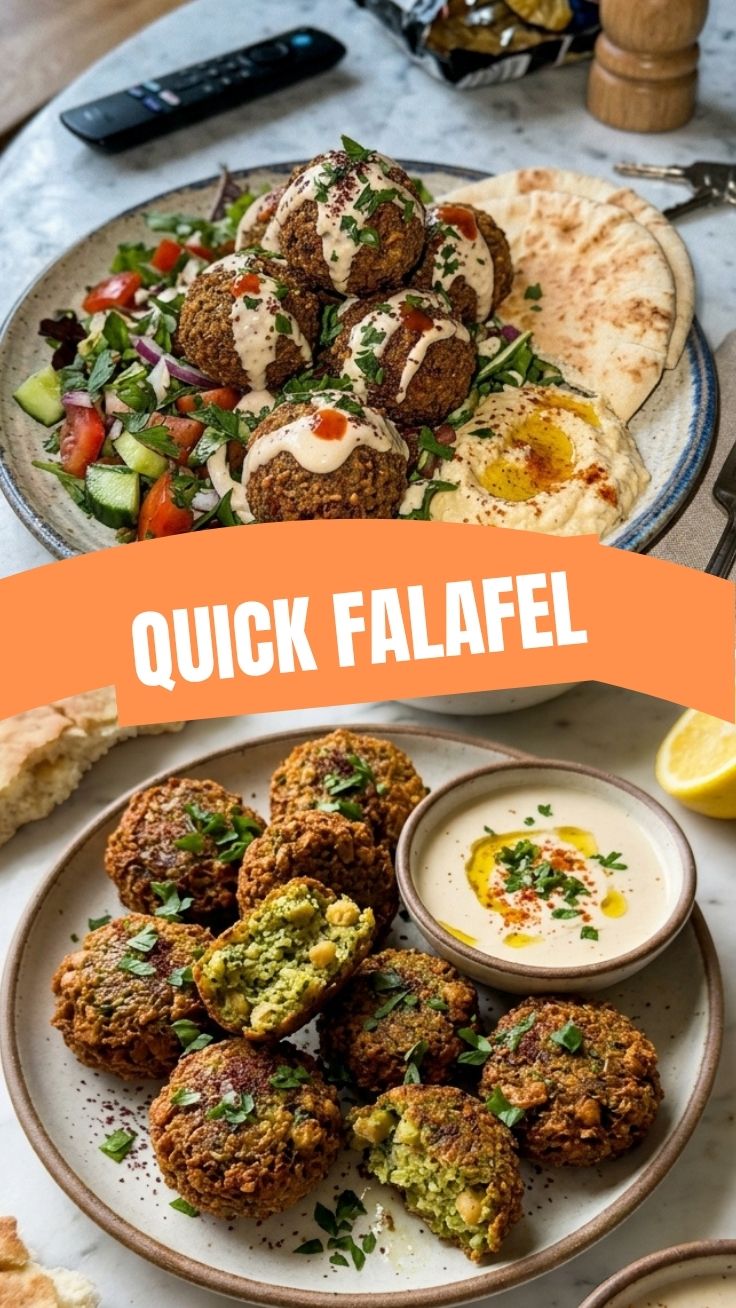
- Drain and Serve: Remove the falafel with a slotted spoon and place them on a baking sheet lined with paper towels to drain excess oil. Serve immediately with tahini sauce, pita bread, salad, or hummus.
Nutritional Benefits & Advantages
Falafel offers a wealth of nutritional benefits, largely due to its star ingredient: the chickpea. Chickpeas are an excellent source of plant-based protein and dietary fiber, both crucial for satiety and digestive health. They also provide essential minerals like iron, magnesium, and zinc, and are a good source of folate. The herbs—parsley and cilantro—add vitamins K and A, along with antioxidants. When prepared at home, you control the quality of the oil and the amount of salt, making it a healthier alternative to many fried fast-food options. It’s naturally vegetarian and vegan-friendly, making it a versatile and inclusive dish for various dietary needs.
Tips, Variations & Cooking Advice
- Spice it Up: For extra heat, increase the amount of cayenne pepper or add a pinch of red pepper flakes. Cumin seeds, lightly toasted and crushed, can also add another layer of flavor.
- Baking Option: For a lighter, healthier version, bake the falafel. Preheat your oven to 400°F (200°C). Lightly brush the falafel with oil and bake for 20-25 minutes, flipping halfway, until golden brown. The texture will be different – less crispy, but still delicious.
- Gluten-Free: Ensure you use chickpea flour instead of all-purpose flour for a naturally gluten-free option.
- Flavor Boost: A squeeze of fresh lemon juice in the mixture before frying can brighten the flavors.
- Perfect Pairing: Always serve falafel with a cooling tahini sauce (tahini, lemon juice, garlic, water) and fresh vegetables.
Common Mistakes to Avoid
- Using Canned Chickpeas: This is the most common mistake! Canned chickpeas are too soft and will result in mushy falafel that won’t hold its shape. Always start with dried, soaked chickpeas.
- Over-Processing the Mixture: Pulsing too long in the food processor will turn your falafel mixture into a paste, leading to a dense, chewy texture instead of the desired light and airy interior.
- Oil Temperature Too Low or High: If the oil isn’t hot enough, the falafel will absorb too much oil and become greasy. If it’s too hot, the exterior will burn before the interior cooks through. Aim for 350-375°F (175-190°C).
- Overcrowding the Pot: Frying too many falafel at once will lower the oil temperature, leading to greasy and soggy results. Fry in batches.
- Not Draining Properly: Ensure you drain excess oil on paper towels to maintain crispness.
Storage & Meal Prep Tips
Leftovers: Cooked falafel can be stored in an airtight container in the refrigerator for up to 3-4 days. For best results, reheat them in a toaster oven or air fryer to regain some crispness, rather than the microwave, which can make them soft.
Freezing (Cooked): Cooked falafel freeze remarkably well. Allow them to cool completely, then arrange them in a single layer on a baking sheet and freeze until solid. Transfer to a freezer-safe bag or container and store for up to 3 months. Reheat from frozen in an oven at 350°F (175°C) for 15-20 minutes, or until heated through and crispy.
Freezing (Uncooked Mixture): The uncooked falafel mixture can also be frozen. Form the patties, then freeze them on a baking sheet until solid. Transfer to a freezer-safe bag, and they’ll keep for up to a month. Thaw in the refrigerator before frying, or fry from frozen, adjusting cooking time as needed.
Conclusion
Mastering Falafel (Homemade) is a truly rewarding culinary journey that brings the vibrant flavors of the Middle East right into your kitchen. By following these detailed steps, you can create perfectly golden, crispy falafel that will impress family and friends alike. Remember, the secret lies in starting with quality dried Chickpea and a careful hand in the food processor. Don’t be shy about experimenting with spices or finding your perfect accompanying sauce. Try out this recipe and share your delicious results! What will be your favorite way to enjoy them?
FAQs
Q: Can I use canned chickpeas if I’m short on time?
A: It is strongly advised against. Canned chickpeas contain too much moisture and are already cooked, resulting in a mushy texture that won’t hold its shape or crisp up properly. Always use dried chickpeas soaked overnight.
Q: How can I tell if my oil is hot enough without a thermometer?
A: Drop a tiny pinch of the falafel mixture into the oil. If it immediately sizzles and floats to the surface, the oil is ready. If it sinks and doesn’t sizzle, the oil is too cold. If it burns instantly, it’s too hot.
Q: My falafel is falling apart in the oil. What went wrong?
A: This usually means the mixture is too wet, or it hasn’t been processed enough to bind the ingredients. Try adding another tablespoon of flour (or chickpea flour) to the mixture and gently mixing. Ensure your chickpeas are thoroughly drained after soaking.
Q: Can I make the falafel mixture ahead of time?
A: Yes, the falafel mixture can be prepared up to 24 hours in advance and stored in an airtight container in the refrigerator. This can help the flavors meld even further. Just ensure it’s well-chilled before frying.
Q: What are some good serving suggestions for homemade falafel?
A: Falafel is traditionally served in pita bread with tahini sauce, chopped tomatoes, cucumbers, and pickles. It also makes a fantastic addition to salads, grain bowls, or served simply as an appetizer with hummus and a squeeze of lemon.
“`