Mastering the Art of Homemade Carrot Cake: A Step-by-Step Guide to Perfection
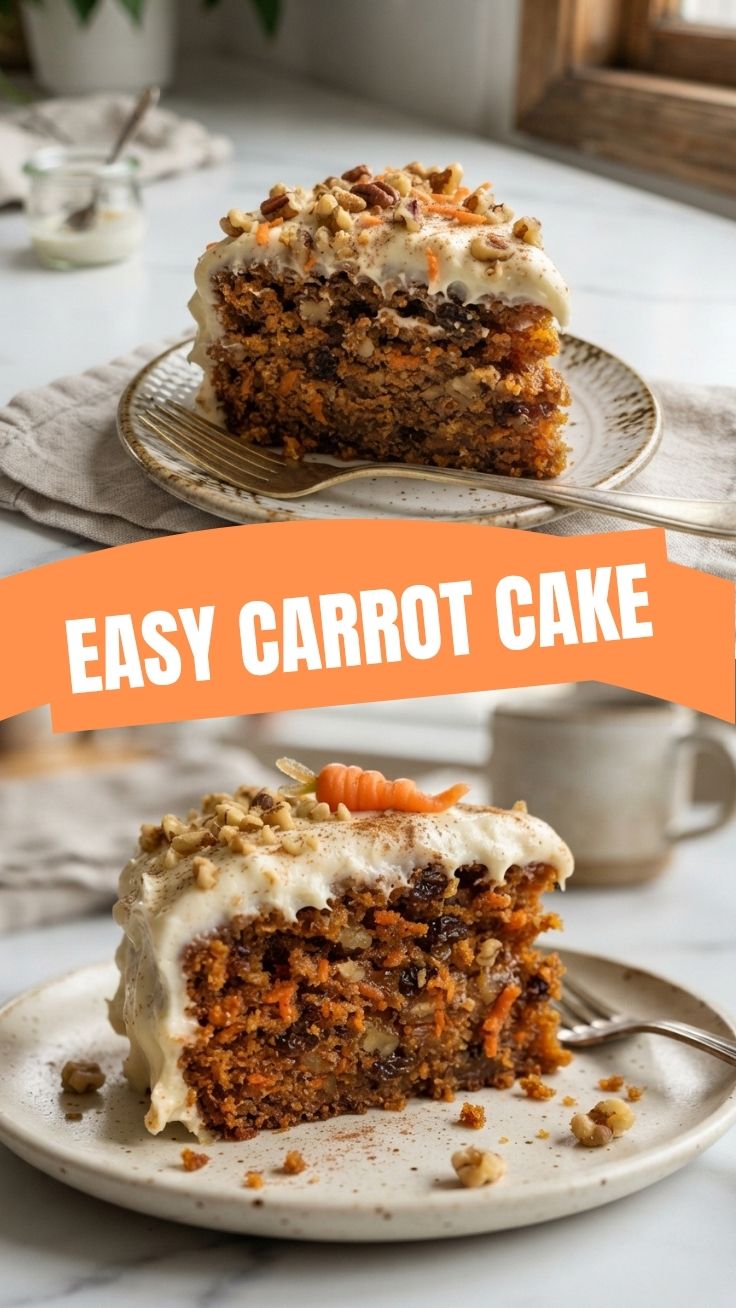
Ever wondered if you could recreate that moist, perfectly spiced Carrot Cake from your favorite bakery right in your own kitchen? The answer is a resounding yes! There’s an unparalleled joy and satisfaction in baking something from scratch, especially a classic like this. Not only do you get to control the quality of ingredients, but the aroma filling your home is an experience in itself. This comprehensive guide will walk you through crafting a delectable Carrot Cake Recipe that will impress even the most discerning palates.
Ingredients & Kitchen Tools
Here’s everything you’ll need to create your culinary masterpiece:
- All-Purpose Flour (2 cups): The structural backbone of our cake. Sifted for a lighter texture.
- Granulated Sugar (1 ½ cups): Provides sweetness and helps with moisture.
- Brown Sugar (½ cup, packed): Adds deeper caramel notes and extra moisture.
- Baking Soda (2 teaspoons): A leavening agent that helps the cake rise.
- Ground Cinnamon (2 teaspoons): Essential for that signature warm, spicy flavor.
- Ground Nutmeg (½ teaspoon): Complements the cinnamon beautifully.
- Salt (½ teaspoon): Balances flavors and enhances sweetness.
- Large Eggs (4): Binds ingredients and adds richness.
- Vegetable Oil (1 cup): Keeps the cake incredibly moist. Alternative: melted coconut oil or applesauce for a lighter version.
- Vanilla Extract (2 teaspoons): Enhances all other flavors.
- Grated Carrots (3 cups, finely grated): The star ingredient! Use fresh carrots for the best flavor and moisture.
- Chopped Pecans or Walnuts (1 cup, optional): Adds a delightful crunch and nutty flavor. Toast them lightly for extra depth.
- Cream Cheese (8 oz, softened): For the frosting – choose full-fat for the best texture.
- Unsalted Butter (½ cup, softened): Foundation of the cream cheese frosting.
- Powdered Sugar (4 cups, sifted): Sweetens and thickens the frosting.
- Vanilla Extract (1 teaspoon, for frosting): A touch of warmth for the frosting.
Kitchen Tools:
- Two 9-inch round cake pans: For even baking.
- Parchment paper: To line pans and prevent sticking.
- Large mixing bowls (2): For wet and dry ingredients.
- Whisk: For dry ingredients.
- Electric mixer (stand or hand-held): Essential for creaming butter and sugar, and for frosting.
- Rubber spatula: For folding and scraping bowls.
- Grater: For carrots.
- Measuring cups and spoons: For precise ingredient amounts.
- Wire rack: For cooling the cakes.
- Offset spatula or butter knife: For frosting.
Prep Time & Cooking Schedule
- Prep Time: 30 minutes (includes grating carrots and gathering ingredients).
- Baking Time: 30-35 minutes per layer.
- Cooling Time: 1 hour (for cakes) + 30 minutes (for frosted cake to set).
- Total Time: Approximately 2 hours 30 minutes.
Plan to start your Carrot Cake baking when you have ample time for mixing, baking, and the crucial cooling phase. Rushing the cooling will lead to a messy frosting application.
Step-by-Step Instructions
1. Preheat & Prep Pans: Preheat your oven to 350°F (175°C). Grease and flour two 9-inch round cake pans. Line the bottoms with parchment paper for easy release.
2. Combine Dry Ingredients: In a large bowl, whisk together the flour, granulated sugar, brown sugar, baking soda, cinnamon, nutmeg, and salt. Ensure there are no clumps, especially with the brown sugar.
3. Combine Wet Ingredients: In a separate large bowl, whisk together the eggs, vegetable oil, and vanilla extract until well combined and smooth.
4. Combine Wet and Dry: Pour the wet ingredients into the dry ingredients. Mix with a rubber spatula until just combined. Be careful not to overmix, as this can lead to a dense Carrot Cake Recipe.
5. Fold in Carrots & Nuts: Gently fold in the grated carrots and chopped nuts (if using).
6. Bake: Divide the batter evenly between the prepared cake pans. Bake for 30-35 minutes, or until a wooden skewer inserted into the center comes out clean.
7. Cool: Let the cakes cool in the pans for 10-15 minutes before inverting them onto a wire rack to cool completely. This prevents them from sticking or breaking.
8. Prepare Cream Cheese Frosting: In a large bowl, using an electric mixer, beat the softened cream cheese and butter together until smooth and creamy. Gradually add the sifted powdered sugar, one cup at a time, beating until light and fluffy. Stir in the vanilla extract.
9. Assemble & Frost: Once the cake layers are completely cool, place one layer on your serving plate or cake stand. Spread a generous layer of cream cheese frosting over the top. Place the second cake layer on top and cover the entire cake with the remaining frosting. Decorate as desired (e.g., with extra nuts or carrot shavings).
10. Chill: Chill the frosted cake for at least 30 minutes to allow the frosting to set.
Nutritional Benefits & Advantages
Carrots are a wonderful source of beta-carotene, a powerful antioxidant that the body converts into Vitamin A, essential for vision, immune function, and skin health. This cake also provides fiber from the carrots and whole grains (if using whole wheat flour as a substitution), helping with digestive health. While it’s a treat, the inclusion of fresh vegetables and nuts (providing healthy fats and protein) makes it a more wholesome dessert option compared to many others.
Tips, Variations & Cooking Advice
- Spice it Up: Add a pinch of ground ginger or allspice for a more complex spice profile.
- Pineapple Power: For extra moisture and a slight tang, add ½ cup of drained crushed pineapple to the batter.
- Coconut Craze: Fold in ½ cup of shredded coconut for a tropical twist.
- Gluten-Free: Substitute the all-purpose flour with a high-quality gluten-free all-purpose baking blend.
- Dairy-Free: Use a dairy-free cream cheese and butter alternative for the frosting.
- Sheet Cake: This recipe can easily be adapted for a 9×13-inch sheet pan. Adjust baking time as needed.
- Finely Grated Carrots: The finer the grate, the more seamlessly the carrots will blend into the cake’s texture, ensuring moisture without chunky bits.
Common Mistakes to Avoid
- Overmixing the Batter: This develops the gluten in the flour, resulting in a tough, dense cake. Mix until just combined.
- Not Cooling Cakes Completely: Frosting warm cakes will lead to melted, sliding frosting – a common and frustrating mistake. Patience is key!
- Using Cold Cream Cheese/Butter for Frosting: This results in lumpy frosting. Ensure both are at room temperature for a smooth, creamy consistency.
- Forgetting to Grate Finely: Large chunks of carrot can make the cake uneven and affect its texture.
- Opening the Oven Door Too Early: This can cause the cake to collapse, especially during the crucial rising phase. Resist the urge!
Storage & Meal Prep Tips
Store leftover Carrot Cake in an airtight container in the refrigerator for up to 5-7 days due to the cream cheese frosting. For longer storage, freeze individual slices (unfrosted if possible, or tightly wrapped if frosted) for up to 2-3 months. Thaw in the refrigerator overnight before serving. This cake also makes excellent individual cupcakes or mini loaves for easy portion control.
Conclusion
Creating a homemade Carrot Cake is a rewarding experience that yields delicious results. With this detailed Carrot Cake Recipe, you’re now equipped to bake a moist, spiced, and utterly delightful cake that will become a family favorite. Give it a try, share your baking success, and enjoy the sweet rewards of your efforts!
FAQs
Q1: Can I use pre-shredded carrots?
A1: While convenient, pre-shredded carrots are often drier and thicker, which can affect the cake’s moisture and texture. Freshly grated carrots are always recommended for the best results.
Q2: My frosting is too runny/too thick. What should I do?
A2: If too runny, add more sifted powdered sugar a tablespoon at a time. If too thick, add a tiny splash of milk or cream until it reaches your desired consistency.
Q3: Can I make this cake without nuts?
A3: Absolutely! The nuts are optional. The cake will still be delicious and moist without them.
Q4: How important is sifting the powdered sugar for the frosting?
A4: Sifting powdered sugar is crucial for a smooth, lump-free frosting. Skipping this step can result in a grainy texture.
Q5: Can I make the cake layers ahead of time?
A5: Yes, you can bake the layers a day or two in advance. Once completely cooled, wrap them tightly in plastic wrap and store at room temperature. Frost closer to serving time.