Master the Art of Homemade Pesto Pasta: A Culinary Journey
Ever wonder if you can truly elevate a simple dish into a gourmet experience right in your own kitchen? The answer is a resounding yes, especially when it comes to crafting the perfect Pesto Pasta. Beyond the convenience of store-bought sauces, preparing this vibrant dish at home offers unparalleled freshness, flavor control, and a deeply satisfying culinary adventure. Forget bland meals; today, we’re diving into the secrets behind transforming humble ingredients into a spectacular meal, exploring not just the creation of this delightful dish but also an array of other exquisite pasta recipes that will tantalize your taste buds. Get ready to impress yourself and your loved ones with a dish that’s as easy to make as it is delicious!
Ingredients & Kitchen Tools
To embark on this flavorful journey, gather the following:
Ingredients:
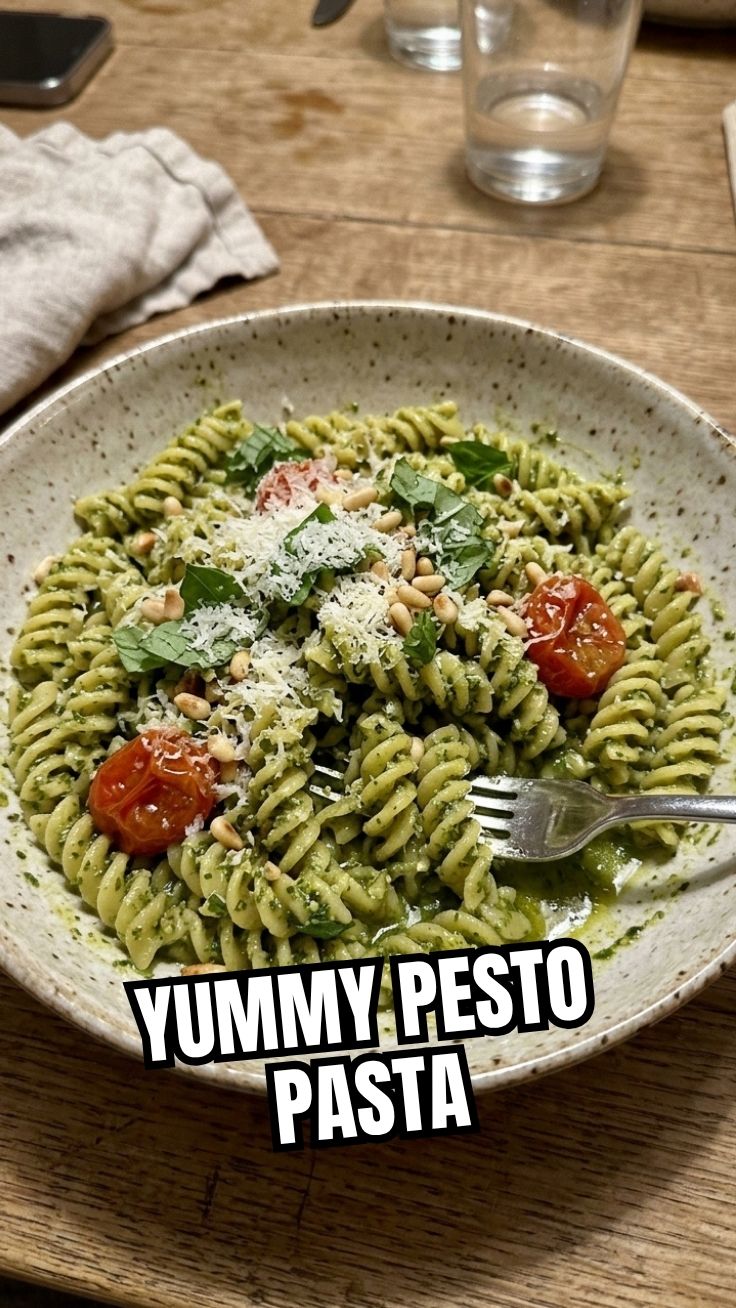
- 16 oz (450g) Pasta of Choice: Linguine, fettuccine, or rotini work beautifully. (The canvas for our pesto masterpiece.)
- 2 cups Fresh Basil Leaves: Packed, stems removed. (The heart and soul of traditional pesto.)
- ½ cup Grated Parmesan Cheese: Freshly grated for best flavor. (Adds a salty, umami depth.)
- ½ cup Extra Virgin Olive Oil: High quality for a smooth, rich base. (The emulsifier that brings it all together.)
- ⅓ cup Pine Nuts: Lightly toasted for enhanced nuttiness. (Adds texture and a subtle, rich flavor.)
- 2-3 Cloves Garlic: Minced or roughly chopped. (Aromatic foundation.)
- Salt and Freshly Ground Black Pepper: To taste. (Essential enhancers.)
- Optional Garnishes: Cherry tomatoes (halved), fresh mozzarella balls (small), extra basil leaves. (For color, freshness, and added flavor.)
Kitchen Tools:
- Large Pot/Dutch Oven: For boiling the pasta. (Capacity is key for even cooking.)
- Food Processor or Blender: For making the pesto. (Essential for achieving that smooth, creamy consistency.)
- Colander: For draining pasta. (Keeps your kitchen mess-free.)
- Large Mixing Bowl: For tossing the pasta and pesto. (Ensures every strand is coated.)
- Measuring Cups and Spoons: For accurate ingredient portions. (Precision for perfection.)
- Chef’s Knife and Cutting Board: For prepping fresh ingredients. (Safety and efficiency.)
Prep Time & Cooking Schedule
- Prep Time: 15 minutes (Gathering ingredients, toasting nuts, making pesto.)
- Cook Time: 10-12 minutes (Boiling pasta, depends on pasta type.)
- Total Time: Approximately 25-30 minutes
This recipe is perfect for a weeknight meal when you need something quick yet incredibly satisfying. The bulk of the prep involves making the pesto, which can even be done a day or two in advance, cutting down on time needed right before dinner.
Step-by-Step Instructions
1. Toast Pine Nuts (Optional but Recommended): In a dry skillet over medium-low heat, gently toast the pine nuts for 3-5 minutes, shaking occasionally, until golden and fragrant. Watch carefully to prevent burning. Set aside to cool.
2. Prepare the Pesto: In a food processor, combine the fresh basil leaves, toasted pine nuts, minced garlic, and grated Parmesan cheese. Pulse several times until roughly chopped. With the food processor running, slowly drizzle in the extra virgin olive oil until the mixture forms a smooth, vibrant green paste. Season generously with salt and black pepper to taste. This freshly made pesto is the secret to an incredibly flavorful Pesto Pasta.
3. Cook the Pasta: Bring a large pot of salted water to a rolling boil. Add your chosen pasta and cook according to package directions until al dente (firm to the bite). Before draining, reserve about ½ cup of the pasta cooking water. This starchy water is crucial for creating a silky sauce.
4. Combine and Serve: Drain the cooked pasta and transfer it immediately to a large mixing bowl. Add the freshly made pesto and about ¼ cup of the reserved pasta water. Toss thoroughly, adding more pasta water a tablespoon at a time if needed, until the pasta is evenly coated and the sauce reaches your desired consistency – creamy and clinging to every strand. This technique works wonders for all your favorite pasta recipes.
5. Garnish and Enjoy: Serve hot, garnished with extra Parmesan, fresh basil leaves, cherry tomatoes, or fresh mozzarella balls if desired.
Nutritional Benefits & Advantages
This dish isn’t just delicious; it’s packed with goodness! Basil is rich in antioxidants and vitamins K and A. Olive oil is a healthy fat renowned for its heart-protective benefits. Pine nuts offer essential minerals and healthy fats, while Parmesan cheese provides calcium and protein. It’s a well-rounded meal that provides sustained energy and contributes to overall wellness.
Tips, Variations & Cooking Advice
- Nut-Free Pesto: If you have nut allergies, simply omit the pine nuts or substitute them with sunflower seeds.
- Pesto Variations: Experiment with different herbs! Try cilantro, parsley, or a mix. Walnuts or cashews can replace pine nuts for a different flavor profile.
- Add Protein: Grilled chicken, shrimp, or chickpeas make excellent additions.
- Vegetable Boost: Sautéed spinach, roasted bell peppers, or steamed asparagus can be mixed in for extra vitamins and fiber.
- Dairy-Free Option: Use nutritional yeast instead of Parmesan for a cheesy, dairy-free alternative.
Common Mistakes to Avoid
- Overcooking the Pasta: Mushy pasta is a culinary crime! Always cook to al dente for the best texture.
- Not Salting Pasta Water: Salted water imbues the pasta with flavor from within. Don’t skip it!
- Over-processing Pesto: If you blend pesto too long, it can become warm and develop a slightly bitter taste. Pulse until just combined.
- Adding Pesto to Hot Pan: Never heat pesto directly. The high heat can degrade the fresh basil and olive oil, diminishing its vibrant flavor. Always toss with hot pasta off the heat.
Storage & Meal Prep Tips
Leftover Pesto Pasta can be stored in an airtight container in the refrigerator for up to 3-4 days. To maintain freshness, you can also store freshly made pesto separately in a jar with a thin layer of olive oil on top to prevent oxidation, extending its fridge life to about a week. When reheating, gently warm on the stovetop over low heat, adding a splash of water or broth to loosen the sauce and bring it back to life. Avoid microwaving at high power, as it can dry out the pasta.
Conclusion
Creating your own Pesto Pasta from scratch is a deeply rewarding experience, offering a burst of fresh flavors that store-bought versions simply can’t match. This recipe is a testament to how simple, quality ingredients can be transformed into an unforgettable meal. We encourage you to try this recipe and explore the endless possibilities of homemade sauces and diverse pasta recipes. Share your culinary creations and let us know your favorite variations in the comments below! Happy cooking!
FAQs
Q1: Can I make pesto ahead of time?
A1: Absolutely! Pesto can be made up to 5-7 days in advance. Store it in an airtight container in the refrigerator. For best results, pour a thin layer of olive oil on top to prevent the basil from oxidizing and turning brown.
Q2: What if I don’t have a food processor?
A2: You can use a blender, but you might need to stop and scrape down the sides more often. Traditionally, pesto is made with a mortar and pestle for a truly rustic texture.
Q3: How can I make this dish more kid-friendly?
A3: For picky eaters, you can dial down the garlic, or blend in a handful of spinach with the basil for a nutrient boost that goes unnoticed. Cutting the pasta into smaller shapes (like small shells) can also help.
Q4: My pesto is too thick/thin. How can I fix it?
A4: If your pesto is too thick, add a little more olive oil, a tablespoon at a time, until it reaches your desired consistency. If it’s too thin, you can add more Parmesan cheese or pine nuts to thicken it slightly. Remember that the pasta water will also help thin it out when combining.
Q5: What’s the best way to prevent the basil in my pesto from turning brown?
A5: The key is to minimize air exposure. Store in an airtight container, and pour a thin layer of olive oil over the top of the pesto. Some also suggest blanching the basil briefly before blending, but this can impact the fresh flavor.