Wholesome Heartiness: Crafting the Perfect Spaghetti Bolognese at Home
Are you tired of bland, uninspired weeknight dinners? Imagine a rich, savory aroma filling your kitchen, promising a comforting meal that delights every palate. There’s something uniquely satisfying about preparing a classic like Spaghetti Bolognese from scratch. This isn’t just a meal; it’s an experience – a culinary journey that transforms simple ingredients into a deeply flavorful and nourishing dish. While many might reach for jarred sauces, mastering homemade bolognese, whether it’s the traditional Spaghetti Bolognese or a hearty Pasta Bolognese, unlocks unparalleled taste and empowers you with control over every ingredient. Get ready to impress yourself and your loved ones with this timeless comfort food.
Ingredients & Kitchen Tools
Crafting the perfect bolognese requires a blend of fresh ingredients and essential kitchen tools.
- For the Sauce:
* 2 tablespoons olive oil: Good quality extra virgin for sautéing.
* 1 large onion, finely chopped: The aromatic base for sweetness.
* 2 carrots, finely diced: Adds sweetness and depth to the sauce.
* 2 celery stalks, finely diced: Contributes a subtle, earthy flavor.
* 500g (1 lb) lean ground beef: Or a mix of beef and pork for richer flavor; lamb is an optional substitution.
* 150g (5 oz) pancetta or smoked bacon, finely diced (optional): For added smoky depth and umami.
* 2 cloves garlic, minced: Essential for pungent aroma.
* 2 tablespoons tomato paste: Concentrates tomato flavor and adds richness.
* 400g (14 oz) can crushed tomatoes (passata): Or diced tomatoes, for the foundational tomato flavor.
* 400g (14 oz) can chopped tomatoes: Provides texture and freshness.
* 200ml (3/4 cup) red wine: Merlot or Cabernet Sauvignon is ideal; enhances complexity and tenderizes the meat. Vegetable broth is a non-alcoholic substitute.
* 200ml (3/4 cup) beef broth: Adds savory liquid and enhances beef flavor.
* 1 bay leaf: Infuses an herbal, slightly medicinal aroma.
* 1 teaspoon dried oregano: Classic Italian herb.
* Salt and freshly ground black pepper: To taste.
* A pinch of nutmeg: A subtle spice that elevates the meat sauce.
* Fresh basil, chopped (for garnish): Adds a fresh, peppery finish.
* Parmesan cheese, grated (for serving): Indispensable for a salty, umami kick.
- For the Pasta:
* 500g (1 lb) spaghetti: The traditional choice; tagliatelle or fettuccine are excellent alternatives for a Pasta Bolognese.
- Kitchen Tools:
* Large heavy-bottomed pot or Dutch oven: For even cooking and simmering.
* Wooden spoon or spatula: For stirring.
* Cutting board and sharp knife: For preparing vegetables and meat.
* Grater: For cheese.
* Measuring cups and spoons: For precise ingredient amounts.
Prep Time & Cooking Schedule
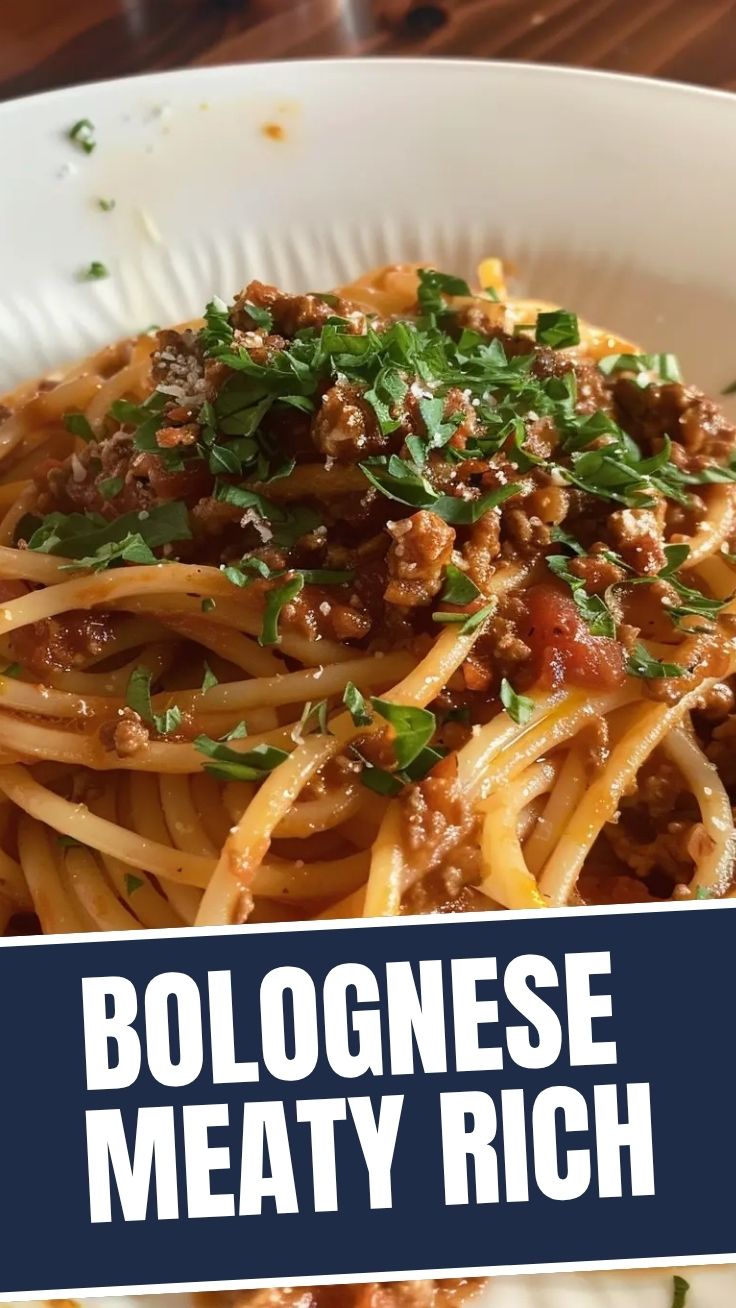
This classic demands a little love and patience, but the results are truly worth it!
- Prep Time: 25-30 minutes (chopping vegetables, preparing meat).
- Cook Time: 2-3 hours (simmering time for deep flavor development).
- Resting Time (Optional): Allowing the bolognese to rest for 15-30 minutes off the heat before serving further melds the flavors. You can even make this sauce a day ahead; the flavors deepen overnight!
Plan for a leisurely afternoon or an early start—the long simmer is crucial for tender meat and a truly rich sauce.
Step-by-Step Instructions
1. Sauté the aromatics: Heat olive oil in a large heavy-bottomed pot or Dutch oven over medium heat. Add finely diced onion, carrots, and celery (the ‘soffritto’). Sauté for 8-10 minutes until softened and translucent, but not browned. If using pancetta, add it now and cook until crispy, then remove and set aside.
2. Brown the meat: Increase heat to medium-high. Add ground beef (and pork if using) to the pot, breaking it up with a wooden spoon. Cook until thoroughly browned, about 8-10 minutes. Drain any excess fat.
3. Build the flavor base: Stir in minced garlic and tomato paste. Cook for 2-3 minutes, stirring constantly, to toast the tomato paste and deepen its flavor.
4. Deglaze with wine: Pour in the red wine, scraping the bottom of the pot to loosen any browned bits. Bring to a simmer and cook until the wine has mostly evaporated, about 5-7 minutes. This step is crucial for flavor concentration in both Spaghetti Bolognese and various preparations of Pasta Bolognese.
5. Simmer the sauce: Add crushed tomatoes, chopped tomatoes, beef broth, bay leaf, dried oregano, and a pinch of nutmeg. Return the crispy pancetta (if using). Bring the sauce to a gentle simmer, then reduce heat to low, cover, and cook for at least 2 hours, or up to 3 hours, stirring occasionally. The longer it simmers, the deeper and richer the flavor will be. Season with salt and freshly ground black pepper to taste during the last 30 minutes of cooking.
6. Cook the pasta: About 15 minutes before the bolognese is ready, bring a large pot of salted water to a rolling boil. Add spaghetti and cook according to package directions until al dente.
7. Combine and serve: Drain the pasta, reserving about 1/2 cup of pasta water. Add the cooked pasta directly to the bolognese sauce, or serve the sauce over the pasta. If the sauce seems too thick, add a little reserved pasta water to achieve the desired consistency. Garnish with fresh basil and generous amounts of grated Parmesan cheese.
Nutritional Benefits & Advantages
This homemade bolognese isn’t just delicious; it’s packed with goodness. Lean ground beef provides an excellent source of protein, iron, and B vitamins, essential for energy and muscle health. The vibrant vegetables (carrots, celery, onion, tomatoes) contribute significant dietary fiber, vitamins A and C, and essential antioxidants. Tomatoes, in particular, are rich in lycopene, a powerful antioxidant linked to heart health. By making it at home, you avoid excessive sodium, sugars, and artificial additives often found in store-bought sauces, allowing for a healthier and more wholesome meal.
Tips, Variations & Cooking Advice
- Richer Flavor Profile: For an even deeper flavor, use a mix of ground beef and ground pork or veal. Some recipes even include a splash of milk or cream in the final stages for a silkier texture.
- Vegetarian Bolognese: Replace the meat with finely chopped mushrooms, lentils, or a plant-based mince for a delicious alternative.
- Spice It Up: Add a pinch of red pepper flakes for a subtle kick.
- Herb Variations: Experiment with dried thyme or rosemary for different aromatic notes.
- Make Ahead Magic: Bolognese sauce tastes even better the next day! Prepare a large batch and enjoy leftovers.
- Pasta Alternatives: While spaghetti is classic, tagliatelle, pappardelle, or even penne work beautifully to cradle the rich sauce.
Common Mistakes to Avoid
- Not Browning the Meat Enough: This is crucial for developing deep, savory flavors. Don’t rush this step!
- Skipping the Soffritto: The onion, carrot, and celery base is essential for the characteristic sweetness and depth of authentic bolognese.
- Insufficient Simmering Time: Bolognese needs time for the flavors to meld and the meat to become tender. A quick simmer won’t achieve the same richness.
- Too Much Liquid: Be mindful of the liquid-to-solid ratio. You want a thick, rich sauce, not a watery one.
- Forgetting the Nutmeg: A tiny pinch makes a huge difference, adding a subtle warmth that complements the meat beautifully.
Storage & Meal Prep Tips
Leftover bolognese is a gift!
- Refrigeration: Store cooled bolognese sauce in an airtight container in the refrigerator for up to 3-4 days. Cooked pasta should ideally be stored separately if mixed, or can be stored together for 2-3 days.
- Freezing: Bolognese sauce freezes exceptionally well. Allow it to cool completely, then transfer to freezer-safe containers or bags. It will keep in the freezer for up to 3-4 months. Thaw overnight in the refrigerator before reheating.
- Reheating: Gently reheat bolognese sauce on the stovetop over low heat, adding a splash of water, broth, or red wine if needed to adjust consistency. For pasta mixed with sauce, reheat gently in the microwave or on the stovetop, adding a little moisture to prevent drying out.
Conclusion
Mastering homemade bolognese, whether it’s a family-favorite Spaghetti Bolognese or a versatile Pasta Bolognese, is incredibly rewarding. This recipe offers a path to creating a dish that’s not only incredibly delicious but also nourishing and infinitely customizable. The deep, slow-simmered flavors are a testament to patience in the kitchen, resulting in a meal that offers true comfort and satisfaction. Don’t hesitate to embark on this culinary adventure—your taste buds (and your family) will thank you! We’d love to hear about your experience; share your results in the comments below!
FAQs
Q1: Can I make this bolognese in a slow cooker?
A1: Yes! After browning the meat and sautéing the aromatics (Steps 1-3), transfer everything to a slow cooker. Add the remaining sauce ingredients and cook on low for 6-8 hours or on high for 3-4 hours.
Q2: What’s the secret to a really rich bolognese?
A2: The key is a long, slow simmer. This allows the flavors to truly develop and the meat to become incredibly tender. Also, don’t skip deglazing with red wine and using quality tomato paste.
Q3: Can I use different types of meat?
A3: Absolutely! A blend of ground beef and pork (or veal) is traditional for a richer flavor. Ground turkey or chicken can be used for a lighter version, but they might require a bit more fat added during sautéing to prevent dryness.
Q4: How can I make this recipe dairy-free or gluten-free?
A4: For dairy-free, simply omit the Parmesan cheese or use a dairy-free alternative. For gluten-free, use your favorite gluten-free spaghetti or pasta. The sauce itself is naturally gluten-free.
Q5: My sauce is too thin/thick. How do I fix it?
A5: If too thin, continue simmering uncovered until it reduces to your desired consistency. If too thick, add a splash of beef broth, water, or red wine until it’s perfect. This is often adjusted when tossing with pasta using reserved pasta water.