Ditch the Takeout: Master the Art of Restaurant-Quality Shrimp Scampi at Home!
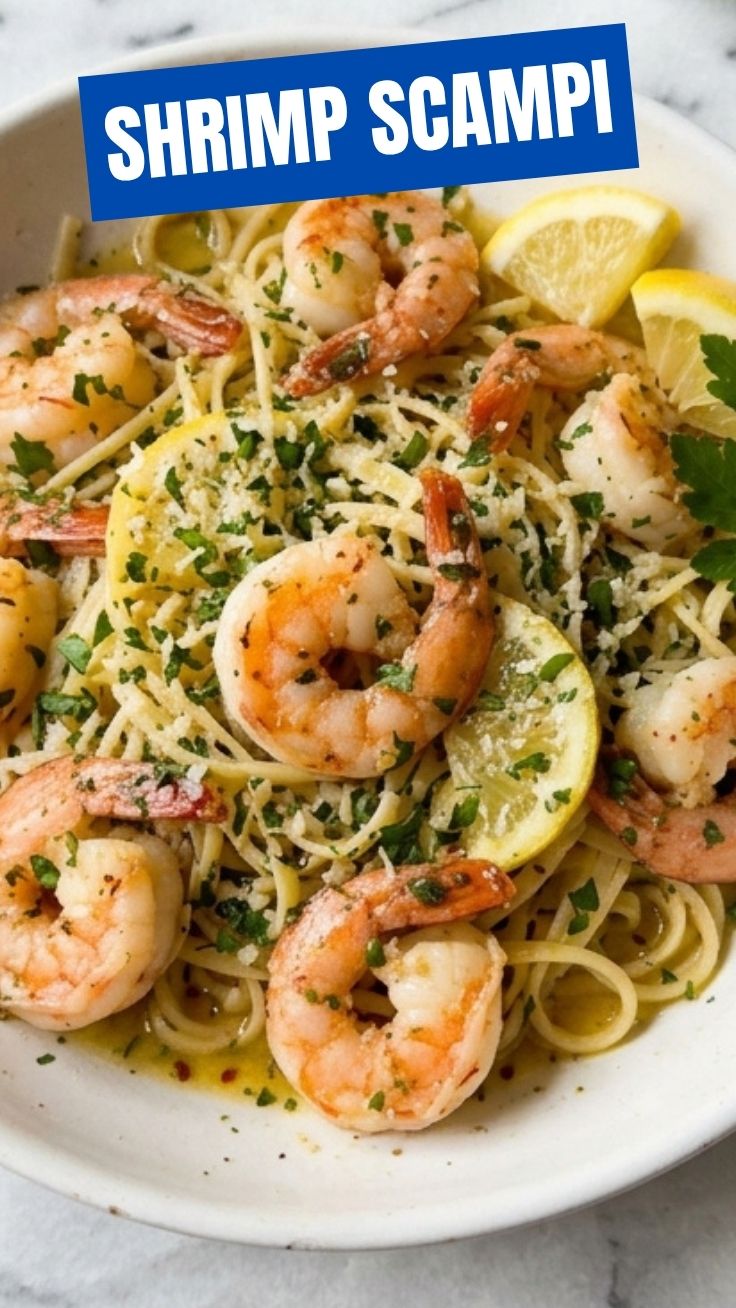
Ever wondered how those tantalizing restaurant dishes manage to capture such exquisite flavors, leaving you craving more? What if I told you that creating an impressive, yet surprisingly simple, Shrimp Scampi at home is not only achievable but also incredibly rewarding? Forget bland, uninspired meals – this recipe will empower you to craft a vibrant, aromatic dish that tastes like it came straight from a gourmet kitchen. The secret lies in a harmonious blend of fresh ingredients, perfectly cooked shrimp, and, of course, a dazzling Lemon Butter Sauce. Get ready to impress your taste buds and your dinner guests with this undeniable culinary masterpiece.
Ingredients & Kitchen Tools
Gather your culinary arsenal! Here’s what you’ll need to create this phenomenal dish:
- 1 lb Large Shrimp (21-25 count), peeled and deveined, tails on or off: The star of our show, ensuring a juicy, succulent bite. Opt for fresh if possible, otherwise, thaw frozen shrimp completely.
- 1 lb Linguine or Fettuccine: The perfect vehicle for soaking up all that delicious sauce.
- ½ cup Unsalted Butter, divided: The foundation of our rich sauce, providing unparalleled flavor and texture.
- ½ cup Dry White Wine (e.g., Pinot Grigio, Sauvignon Blanc): Adds depth and a subtle acidity to the sauce. Avoid anything too sweet.
- 4 cloves Garlic, minced: Essential for that signature aromatic punch.
- 1 Lemon, juiced and zested: Provides zesty brightness and tang to cut through the richness.
- ½ teaspoon Red Pepper Flakes (optional): For a gentle kick, adjust to your spice preference.
- ¼ cup Fresh Parsley, chopped: For a burst of freshness and color.
- 2 tablespoons Olive Oil: For sautéing.
- Salt and Freshly Ground Black Pepper, to taste: The ultimate flavor enhancers.
- Reserved Pasta Water (½ cup): Your secret weapon for achieving the perfect sauce consistency.
Kitchen Tools:
- Large Skillet or Sauté Pan: Spacious enough to cook the shrimp evenly.
- Large Pot: For boiling the pasta.
- Colander: For draining pasta.
- Whisk: For emulsifying the sauce.
- Zester/Grater: For lemon zest.
- Garlic Press or Knife: For mincing garlic.
- Measuring Cups and Spoons: For accurate ingredient portions.
- Tongs: For tossing pasta and shrimp.
Prep Time & Cooking Schedule
This recipe is designed for efficiency and fresh flavor!
- Prep Time: 15 minutes (Includes peeling and deveining shrimp, mincing garlic, zesting, and juicing lemon).
- Cook Time: 20-25 minutes (Active cooking time, including pasta and sauce).
- Total Time: Approximately 40 minutes.
This timeline ensures you can have a delicious, home-cooked meal on the table even on a busy weeknight. Start your prep before boiling the pasta to ensure everything comes together seamlessly.
Step-by-Step Instructions
Let’s dive into creating your perfect Shrimp Scampi. Precision and timing are key for delectable results:
1. Get the Pasta Going: Bring a large pot of generously salted water to a rolling boil. Add your linguine and cook according to package directions until al dente. Before draining, reserve about ½ cup of the starchy pasta water. Drain the pasta and set aside.
2. Sauté the Aromatics: While the pasta cooks, melt 2 tablespoons of butter and 2 tablespoons of olive oil in your large skillet over medium heat. Add the minced garlic and red pepper flakes (if using). Sauté for about 1 minute until fragrant, being careful not to brown the garlic.
3. Shrimp Time! Increase the heat to medium-high. Add the peeled and deveined shrimp to the skillet in a single layer. Cook for 1-2 minutes per side, just until they turn opaque and pink. Overcooking will make the shrimp rubbery, so watch them closely! Remove the cooked shrimp from the skillet and set aside.
4. Craft the Lemon Butter Sauce: Deglaze the pan by pouring in the white wine. Scrape up any browned bits from the bottom of the skillet with a wooden spoon – these are packed with flavor! Let the wine simmer for 2-3 minutes to reduce slightly. Reduce the heat to low, then gradually whisk in the remaining butter, one tablespoon at a time, until fully melted and incorporated. Stir in the lemon juice and lemon zest.
5. Bring it All Together: Add the cooked pasta to the skillet with the sauce. Toss well to coat the pasta. If the sauce seems too thick, add a tablespoon or two of the reserved pasta water until it reaches your desired consistency. Add the cooked shrimp back to the pan and toss gently. Stir in the fresh parsley. Season with salt and freshly ground black pepper to taste.
Nutritional Benefits & Advantages
Beyond its incredible taste, homemade shrimp scampi offers several nutritional advantages. Shrimp is an excellent source of lean protein, providing essential amino acids for muscle repair and growth, and is also rich in selenium, an important antioxidant. The fresh lemon provides a boost of Vitamin C, while olive oil contributes healthy monounsaturated fats. By preparing it at home, you control the quality of ingredients and can easily adjust sodium levels and butter content, making it a healthier alternative to many restaurant versions.
Tips, Variations & Cooking Advice
- Veggies Welcome: Add a handful of cherry tomatoes, spinach, or asparagus spears at the same time you add the shrimp for added nutrition and color.
- Herb Power: Experiment with other fresh herbs like chives or basil for different flavor profiles.
- Spice it Up: For more heat, increase the red pepper flakes or add a pinch of cayenne pepper.
- Gluten-Free Option: Simply swap out traditional pasta for your favorite gluten-free pasta variety.
- Dairy-Free Adaptation: Use a high-quality dairy-free butter alternative.
- Protein Swap: While shrimp is king, consider serving this sauce with scallops or pan-seared chicken for a delightful alternative meal.
Common Mistakes to Avoid
- Overcooking the Shrimp: This is the most common mistake! Shrimp cooks very quickly. As soon as they turn pink and opaque, they’re done. Rubberband-like shrimp are a result of too much heat or duration.
- Not Salting Pasta Water: Pasta water should be as salty as the sea, as it’s the only chance to properly season the pasta itself.
- Forgetting Reserved Pasta Water: This starchy water is crucial for emulsifying the sauce and achieving a smooth, silky consistency. Don’t skip it!
- Browning the Garlic: Burnt garlic tastes bitter. Keep the heat moderate when sautéing garlic to release its aroma without scorching.
- Too Much Liquid: While we want a sauce, we don’t want a soup! Gradually add pasta water until the desired consistency is reached.
Storage & Meal Prep Tips
This Shrimp Scampi is best enjoyed fresh, but leftovers can be stored.
- Refrigeration: Store any leftover shrimp scampi in an airtight container in the refrigerator for up to 2-3 days.
- Freezing: Freezing is not recommended for this dish, as the pasta can become mushy and the shrimp’s texture can deteriorate upon thawing.
- Reheating: Gently reheat leftovers in a skillet over low heat, adding a splash of chicken broth or white wine if the sauce has thickened too much. Avoid high heat, which can overcook the shrimp.
Conclusion
Congratulations, culinary adventurer! You’ve successfully navigated the creation of an exquisite Shrimp Scampi, a dish that proves restaurant-quality flavors are well within your reach. The vibrant, zesty notes of the Lemon Butter Sauce perfectly complement the tender shrimp and al dente pasta, creating a truly unforgettable meal. We hope this guide inspires you to unleash your inner chef and enjoy the incredible satisfaction of preparing delicious meals from scratch. Give this recipe a try, share your culinary triumphs in the comments below, and explore our other exciting recipes!
FAQs
1. Can I use frozen shrimp?
Yes, absolutely! Just ensure they are fully thawed and patted dry before cooking to prevent excess water from diluting the sauce.
2. What if I don’t have white wine?
You can substitute the white wine with an equal amount of chicken or vegetable broth, plus a tablespoon of white wine vinegar or apple cider vinegar to add a touch of acidity.
3. How do I prevent the pasta from sticking while cooking?
Use a large pot with plenty of water, salt the water generously, and stir the pasta occasionally during the first few minutes of cooking.
4. My sauce is too thin/thick. What should I do?
If it’s too thin, simmer it for a few more minutes to reduce. If it’s too thick, gradually add more of the reserved pasta water until it reaches your desired consistency.
5. Can I add other seafood?
Yes! Scallops or mussels could also be incorporated. Add them to the pan with the shrimp or cook them separately and add them at the end.