Savor the Comfort: Crafting the Perfect Homemade Tomato Soup
Are you ready to transform humble tomatoes into a bowl of pure, heartwarming comfort? While the convenience of a can is undeniable, there’s an unparalleled satisfaction and superior flavor profile that comes from making your own Tomato Soup from scratch. Forget the notions of bland, watery concoctions – this recipe promises a vibrant, rich, and utterly delicious experience that elevates a classic. We’ll guide you through each step, ensuring you achieve a velvety smooth texture and a depth of flavor that a simple Canned Tomato Soup often can’t replicate. Preparing this comforting dish at home isn’t just about nutrition; it’s about connecting with your food, savoring fresh ingredients, and creating culinary magic in your own kitchen. Let’s dive in!
Ingredients & Kitchen Tools
- Fresh Tomatoes (2 lbs, e.g., Romas, San Marzanos): The star of our show! Romas offer less water content and more flesh, ideal for a richer soup. San Marzanos are renowned for their sweet, balanced flavor.
- Onion (1 large, yellow): Provides a sweet, aromatic base when caramelized.
- Garlic (4-5 cloves): Essential for a pungent, savory depth.
- Vegetable or Chicken Broth (4 cups): Adds liquid and savory notes. Use low-sodium to control seasoning.
- Heavy Cream (1/2 cup, optional): For a luxurious, creamy finish. Dairy-free alternatives like full-fat coconut milk can also be used.
- Olive Oil (2 tablespoons): For sautéing and adding a touch of richness.
- Butter (2 tablespoons): Enhances flavor and creates a silky mouthfeel.
- Fresh Basil (1/4 cup, chopped): Brightens the soup with a peppery, sweet aroma.
- Sugar (1 teaspoon, optional): Balances acidity, especially with less ripe tomatoes.
- Salt & Freshly Ground Black Pepper (to taste): Crucial for seasoning.
- Kitchen Tools: Large pot or Dutch oven, baking sheet, immersion blender or standard blender, cutting board, sharp knife, measuring cups and spoons.
Prep Time & Cooking Schedule
- Prep Time: 20-25 minutes (chopping vegetables, preparing tomatoes).
- Cook Time: 40-50 minutes (roasting tomatoes, simmering soup).
- Total Time: Approximately 1 hour to 1 hour 15 minutes.
- Context: This recipe is perfect for a weeknight dinner, especially if you roast the tomatoes ahead of time. The hands-on time is minimal, making it an accessible and rewarding culinary project.
Step-by-Step Instructions
1. Roast the Tomatoes: Preheat your oven to 400°F (200°C). Halve your fresh tomatoes, toss them with 1 tablespoon of olive oil, a pinch of salt, and pepper. Spread them cut-side up on a baking sheet. Roast for 25-30 minutes, or until slightly softened and their edges begin to caramelize. This step intensifies their natural sweetness, providing a profound flavor that a quick Canned Tomato Soup simply can’t replicate.
2. Sauté Aromatics: While tomatoes roast, heat the remaining 1 tablespoon of olive oil and butter in your large pot or Dutch oven over medium heat. Add the chopped onion and cook until softened and translucent, about 5-7 minutes. Add the minced garlic and cook for another minute until fragrant, being careful not to burn it. This aromatic foundation is key to a truly flavorful Tomato Soup.
3. Combine and Simmer: Add the roasted tomatoes (and any juices from the baking sheet) to the pot. Pour in the vegetable or chicken broth. Bring the mixture to a gentle boil, then reduce heat, cover, and simmer for 15-20 minutes, allowing the flavors to meld.
4. Blend to Perfection: Remove the pot from heat. Carefully use an immersion blender directly in the pot until the soup is smooth and creamy. Alternatively, transfer the soup in batches to a standard blender, blending until smooth. Caution: hot liquids expand in a blender, so fill it only half full and leave the lid vent open (covered with a kitchen towel).
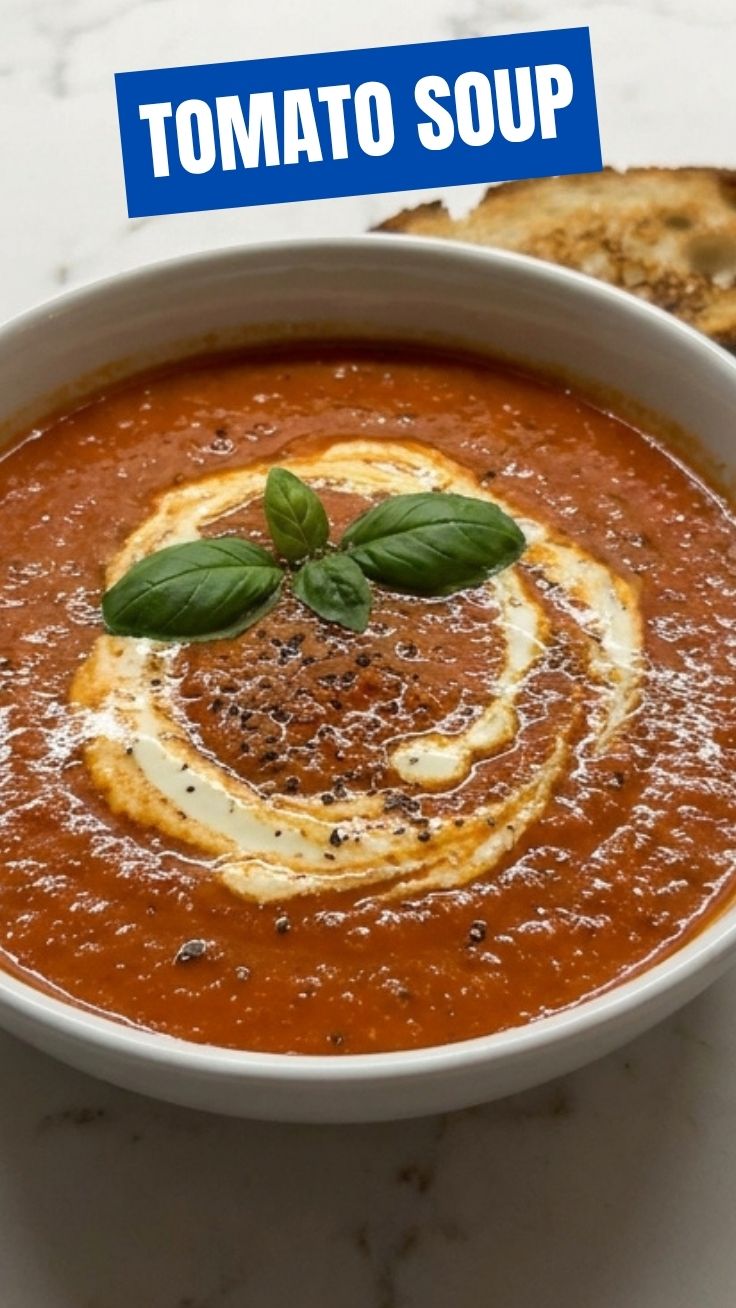
5. Finish and Season: Return the blended soup to the stove over low heat. Stir in the heavy cream (if using), fresh basil, and sugar (if needed to balance acidity). Season generously with salt and pepper to taste. Simmer for a final 5 minutes, allowing all the flavors to marry. Serve hot, perhaps with a grilled cheese sandwich for the ultimate comfort meal.
Nutritional Benefits & Advantages
Homemade tomato soup is a powerhouse of nutrients. Tomatoes are rich in lycopene, a powerful antioxidant linked to reduced risk of heart disease and certain cancers, which actually becomes more bioavailable when cooked. They also provide significant amounts of Vitamin C and K, potassium, and folate. Making it at home allows you to control sodium, sugar, and fat content, making it a healthier alternative to many store-bought options. The addition of onions and garlic also contributes to a strong immune system and anti-inflammatory properties.
Tips, Variations & Cooking Advice
- Smoky Flavor: For an added layer of complexity, roast the tomatoes with a sprinkle of smoked paprika.
- Spicy Kick: Include a pinch of red pepper flakes with the garlic for a subtle warmth.
- Herb Variations: Experiment with other fresh herbs like thyme or oregano alongside basil.
- Dairy-Free: Omit the butter and use coconut oil for sautéing for a dairy-free version. Use full-fat coconut milk or a cashew cream alternative instead of heavy cream.
- Chunky Soup: If you prefer a less smooth texture, only blend part of the soup or use a potato masher for a coarser consistency.
- Garden Fresh: If you have access to fresh garden tomatoes, this recipe truly shines!
Common Mistakes to Avoid
- Not Roasting Tomatoes: Skipping this step drastically reduces the depth of flavor. Roasting caramelizes sugars, creating a sweeter, richer base.
- Under-Seasoning: Tomatoes need salt to truly sing. Taste and adjust seasoning throughout the cooking process.
- Over-Blending in a Regular Blender: Always vent the lid when blending hot liquids to prevent pressure build-up and potential spills or burns.
- Too Much Liquid: If your soup is too thin, simmer it gently without a lid to allow some of the liquid to evaporate. If too thick, add a splash more broth.
Storage & Meal Prep Tips
Leftover tomato soup can be an excellent meal prep option.
- Refrigeration: Store cooled soup in an airtight container in the refrigerator for up to 3-4 days.
- Freezing: This soup freezes beautifully! Pour cooled soup into freezer-safe containers or bags, leaving some headspace for expansion. It will last for up to 3 months in the freezer.
- Reheating: Reheat gently on the stovetop over medium-low heat, stirring occasionally. If frozen, thaw in the refrigerator overnight before reheating, or reheat directly from frozen over very low heat, stirring frequently.
Conclusion
Crafting your own Tomato Soup is a rewarding experience that yields a superior, fresher flavor compared to any Canned Tomato Soup. This recipe empowers you to create a dish that is not only delicious and comforting but also nourishing and adaptable to your dietary needs. We encourage you to try this recipe, savor the vibrant flavors, and discover the joy of homemade goodness. Share your creations and let us know how your perfect bowl of tomato soup turned out!
FAQs
Q: Can I use canned tomatoes instead of fresh?
A: Yes, you can! Use 2 (28-ounce) cans of crushed or diced San Marzano tomatoes. Skip the roasting step, and proceed directly to sautéing the aromatics. The flavor will still be excellent, though slightly different from roasted fresh tomatoes.
Q: My soup is too acidic. How can I fix it?
A: A pinch of sugar (as suggested in the recipe) or a tiny bit of baking soda can help neutralize acidity. Add gradually and taste after each addition.
Q: How can I make this soup heartier?
A: You can add cooked pasta (like ditalini or small shells), croutons, grilled cheese pieces (of course!), or even some shredded chicken or white beans for extra protein.
Q: Can I make this soup vegan?
A: Absolutely! Ensure your broth is vegetable-based and use olive oil instead of butter. For creaminess, use full-fat coconut milk or a homemade cashew cream.
Q: Why is my soup grainy?
A: Insufficient blending is the most common reason. Ensure you blend the soup thoroughly until completely smooth. If using a regular blender, you may need to blend in smaller batches for a longer duration.