Savoring Summer: Crafting the Perfect Homemade Tomato Soup
Ever wondered what transforms a simple bowl of Tomato Soup from an ordinary meal into an extraordinary culinary experience? It’s the magic of fresh, vibrant ingredients and a touch of homemade love. While store-bought options can be convenient, crafting your own Heirloom Tomato Soup at home unlocks a depth of flavor and nutritional richness that pre-packaged versions simply can’t match. This isn’t just about cooking; it’s about connecting with your food, understanding its origins, and creating something truly nourishing for yourself and your loved ones. Get ready to elevate your kitchen game with a recipe that celebrates the bounty of the season and promises pure comfort in every spoonful.
Ingredients & Kitchen Tools
- 2 lbs Ripe Tomatoes (preferably heirloom or vine-ripened): The star of our show! Heirloom varieties offer complex, sweet-tart flavors, while vine-ripened tomatoes provide a classic, robust base for our homemade soup.
- 1 Large Yellow Onion, chopped: Adds a foundational sweetness and aromatic depth.
- 3-4 Cloves Garlic, minced: Essential for a pungent, savory kick.
- 2 tbsp Olive Oil: For sautéing and adding a silky richness.
- 4 cups Vegetable Broth (or chicken broth): The liquid base; choose low-sodium to control seasoning.
- 1/2 cup Heavy Cream (optional): For a velvety, luxurious texture and added richness.
- 1 tsp Dried Basil (or 2 tbsp fresh, chopped): A classic pairing with tomatoes, offering a sweet, peppery note.
- 1/2 tsp Dried Oregano: Adds an earthy, slightly bitter counterpoint.
- 1 tsp Sugar (optional): Balances the acidity of the tomatoes, especially if they’re on the tarter side.
- Salt and Freshly Ground Black Pepper, to taste: The ultimate flavor enhancers.
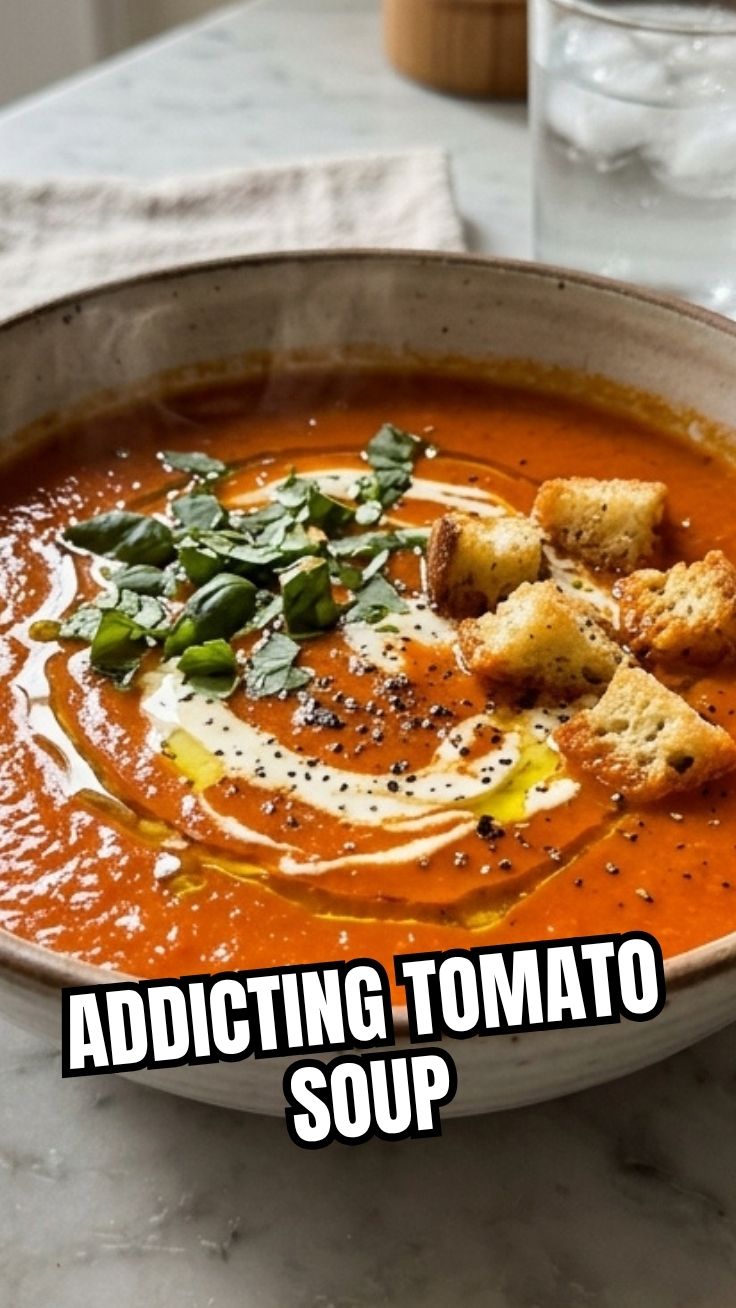
- Fresh Basil or Croutons, for garnish: For a pop of color and added texture.
Kitchen Tools:
- Large Pot or Dutch Oven: For sautéing and simmering.
- Cutting Board & Chef’s Knife: For all your chopping needs.
- Blender (immersion or standing): Crucial for achieving a smooth, creamy consistency.
- Measuring Cups & Spoons: For accurate ingredient ratios.
- Wooden Spoon or Spatula: For stirring.
Prep Time & Cooking Schedule
- Prep Time: 20 minutes (chopping tomatoes, onion, garlic)
- Cook Time: 35-45 minutes (sautéing and simmering)
- Resting Time: 5-10 minutes (after blending, allowing flavors to meld)
This recipe is perfect for a weeknight meal but impressive enough for guests. The hands-on prep is minimal, allowing for multi-tasking while the soup simmers.
Step-by-Step Instructions
1. Prepare Your Aromatics: In a large pot or Dutch oven, heat 2 tablespoons of olive oil over medium heat. Add the chopped onion and cook until softened and translucent, about 5-7 minutes. Stir in the minced garlic and cook for another minute until fragrant, being careful not to burn it.
2. Add the Tomatoes & Seasonings: Add the chopped tomatoes to the pot. Stir in the dried basil, oregano, optional sugar, a generous pinch of salt, and a few grinds of black pepper. Bring the mixture to a gentle simmer, stirring occasionally.
3. Simmer for Flavor Development: Pour in the vegetable broth. Bring the soup back to a simmer, then reduce the heat to low, cover, and let it cook for 25-30 minutes, or until the tomatoes are very soft and have broken down. This slow simmer is key to developing the rich, deep flavors that define a truly great Tomato Soup.
4. Blend to Perfection: Carefully transfer the soup to a standing blender (working in batches if necessary) or use an immersion blender directly in the pot. Blend until completely smooth and creamy. For an extra silken texture, you can pass the blended soup through a fine-mesh sieve, discarding any seeds or skins, though this is optional.
5. Finish & Serve: Return the blended soup to the pot (if using a standing blender). Stir in the heavy cream, if desired, and heat through gently without boiling. Taste and adjust seasonings as needed – you might need more salt, pepper, or a touch more sugar to balance the acidity, especially for a vibrant Heirloom Tomato Soup. Ladle into bowls and garnish with fresh basil leaves or croutons.
Nutritional Benefits & Advantages
Tomatoes are powerhouses of nutrition, rich in lycopene – a potent antioxidant linked to heart health and reduced risk of certain cancers. They’re also an excellent source of Vitamin C, Vitamin K, and potassium. By making your soup from scratch, you control the amount of sodium, sugar, and fat, making it a much healthier option than many store-bought varieties. The fresh ingredients ensure maximum nutrient retention and a vibrant, natural flavor profile.
Tips, Variations & Cooking Advice
- Roast Your Tomatoes: For an even deeper, sweeter flavor, try roasting your tomatoes with a drizzle of olive oil, salt, and pepper at 400°F (200°C) for 20-25 minutes before adding them to the pot.
- Spice It Up: Add a pinch of red pepper flakes with the garlic for a subtle heat.
- Herb Variations: Experiment with fresh thyme or rosemary.
- Dairy-Free/Vegan: Omit the heavy cream or substitute with full-fat coconut milk for a creamy, dairy-free version. Ensure your vegetable broth is vegan.
- Thicker Soup: Reduce the amount of broth or let the soup simmer uncovered for a longer period to evaporate more liquid.
- Thinner Soup: Add a bit more broth or water until desired consistency is reached.
Common Mistakes to Avoid
- Not Simmering Long Enough: Rushing the simmering process will result in a less flavorful, more acidic soup. Give those tomatoes time to break down and meld with the aromatics.
- Over-seasoning with Salt Initially: Always season gradually. Tomatoes can vary in acidity, and adding too much salt too early can make it difficult to balance. Taste and adjust at the end.
- Blending While Too Hot: If using a standing blender, be extremely cautious. Hot liquids can expand and cause the lid to blow off. Vent the lid and cover with a kitchen towel, blending in small batches. An immersion blender is often safer and easier for hot soups.
- Ignoring Tomato Quality: The quality of your tomatoes directly impacts the flavor. Opt for ripe, fragrant tomatoes when possible.
Storage & Meal Prep Tips
Leftover Tomato Soup stores beautifully! Allow it to cool completely before transferring to an airtight container. It will keep in the refrigerator for up to 3-4 days. For longer storage, freeze the soup for up to 3 months. When reheating from frozen, thaw overnight in the refrigerator or gently reheat on the stovetop over low heat, stirring occasionally, until warmed through. If the soup separates slightly after freezing, a quick whisk or blend will bring it back together.
Conclusion
Creating your own Tomato Soup from scratch is a rewarding experience that yields incredible flavor and comfort. From the sweet acidity of fresh tomatoes to the aromatic depth of herbs and garlic, every spoonful is a testament to the power of simple, quality ingredients. This isn’t just a recipe; it’s an invitation to explore the nuances of home cooking and discover the rich, satisfying taste of a perfectly balanced Heirloom Tomato Soup. We encourage you to try this recipe and share your delicious results! What are your favorite garnishes?
FAQs
Q1: Can I use canned tomatoes for this recipe?
A1: Yes, you can. Use 2 (28-ounce) cans of whole peeled tomatoes, preferably San Marzano for the best flavor. Drain them first and crush them by hand before adding.
Q2: How can I make my tomato soup creamier without heavy cream?
A2: You can blend in a cooked potato, a slice of white bread (crusts removed), or a few tablespoons of soaked cashews (blended until smooth with a little water) for a similar creamy texture.
Q3: My soup tastes too acidic. How can I fix it?
A3: Add a pinch more sugar, a small amount of baking soda (just 1/4 teaspoon at a time, stirring well after each addition), or a splash of heavy cream to neutralize the acidity.
Q4: Can I add other vegetables to this soup?
A4: Absolutely! Sauté chopped carrots or celery with the onion to add more depth and nutrients. Roast bell peppers with the tomatoes for a smoky flavor.
Q5: What’s the best way to get a perfectly smooth soup without a high-powered blender?
A5: An immersion blender is excellent for smooth results. If using a regular blender, strain the soup through a fine-mesh sieve after blending to remove any remaining solids for a silken texture.