Unlock the Secret to a Perfect Weekend Brunch: Your Guide to the Ultimate Homemade Shakshuka
Ever wondered how to transform a simple breakfast into an exotic and flavor-packed culinary experience? Look no further than Shakshuka! This vibrant and comforting dish, with its poached eggs nestled in a rich, spiced tomato sauce, has captivated palates worldwide. Preparing this delicious recipe at home isn’t just about crafting a meal; it’s about indulging in a sensory journey, mastering a simple yet sophisticated dish, and impressing your loved ones with your culinary prowess. Beyond its deliciousness, homemade Shakshuka offers the satisfaction of cooking with fresh ingredients and customizing it to your exact taste, making it an invaluable addition to your home cooking repertoire.
Ingredients & Kitchen Tools
To embark on your Shakshuka adventure, gather these essential items:
- 1 tbsp Olive Oil: For sautéing aromatics and building the flavor base.
- 1 large Onion, chopped: Provides a sweet and savory foundation.
- 2-3 cloves Garlic, minced: Essential for aromatic depth.
- 1 Red Bell Pepper, diced: Adds sweetness, color, and a slight crunch.
- 1 Green Bell Pepper, diced: (Optional) For an extra layer of freshness and a mild peppery note.
- 1 (28 ounce) can Crushed Tomatoes: The heart of our sauce; provides a rich, tangy base. San Marzano tomatoes are highly recommended for superior flavor.
- 1 tsp Smoked Paprika: Imparts a delightful smoky flavor and vibrant color.
- 1/2 tsp Cumin: Adds warm, earthy notes that complement the tomatoes and eggs.
- 1/4 tsp Cayenne Pepper: (Optional) For a gentle kick; adjust to your spice preference.
- Salt and Black Pepper to taste: Essential for seasoning and balancing flavors.
- 4-6 large Eggs: The star of the dish, poached directly in the sauce.
- Fresh Cilantro or Parsley, chopped: For garnish and a burst of freshness.
- Feta Cheese, crumbled: (Optional) Adds a salty, tangy counterpoint.
- Crusty Bread or Pita Bread: For dipping and soaking up the delicious sauce.
- Large Skillet or Cast Iron Pan (10-12 inches): Ideal for even cooking and presentation.
- Spatula or Wooden Spoon: For stirring.
- Small Bowls: For cracking eggs individually.
Prep Time & Cooking Schedule
- Prep Time: 15 minutes (chopping vegetables, gathering ingredients).
- Cook Time: 25-30 minutes (sautéing, simmering sauce, poaching eggs).
- Total Time: 40-45 minutes.
This timeline allows for a leisurely yet efficient cooking experience, perfect for a weekend brunch or a quick weeknight meal. The beauty of Shakshuka lies in its ability to come together relatively quickly while delivering impressive flavors.
Step-by-Step Instructions
1. Sauté Aromatics: Heat olive oil in your large skillet over medium heat. Add the chopped onion and cook until softened and translucent, about 5-7 minutes. Add the diced bell peppers and continue to cook for another 5 minutes until tender-crisp. Stir in the minced garlic and cook for 1 minute until fragrant, being careful not to burn it. This initial step is crucial for building a flavorful base for the Shakshuka.
2. Build the Sauce: Stir in the smoked paprika, cumin, and cayenne pepper (if using). Cook for 1 minute, allowing the spices to bloom in the hot oil. Pour in the crushed tomatoes, season generously with salt and black pepper, and bring the mixture to a simmer. Reduce the heat to low, cover, and let it gently cook for 10-15 minutes, allowing the flavors to meld and deepen.
3. Create Wells and Add Eggs: Using the back of a spoon, create 4-6 small indentations (wells) in the simmering tomato sauce. Carefully crack an egg into each well.
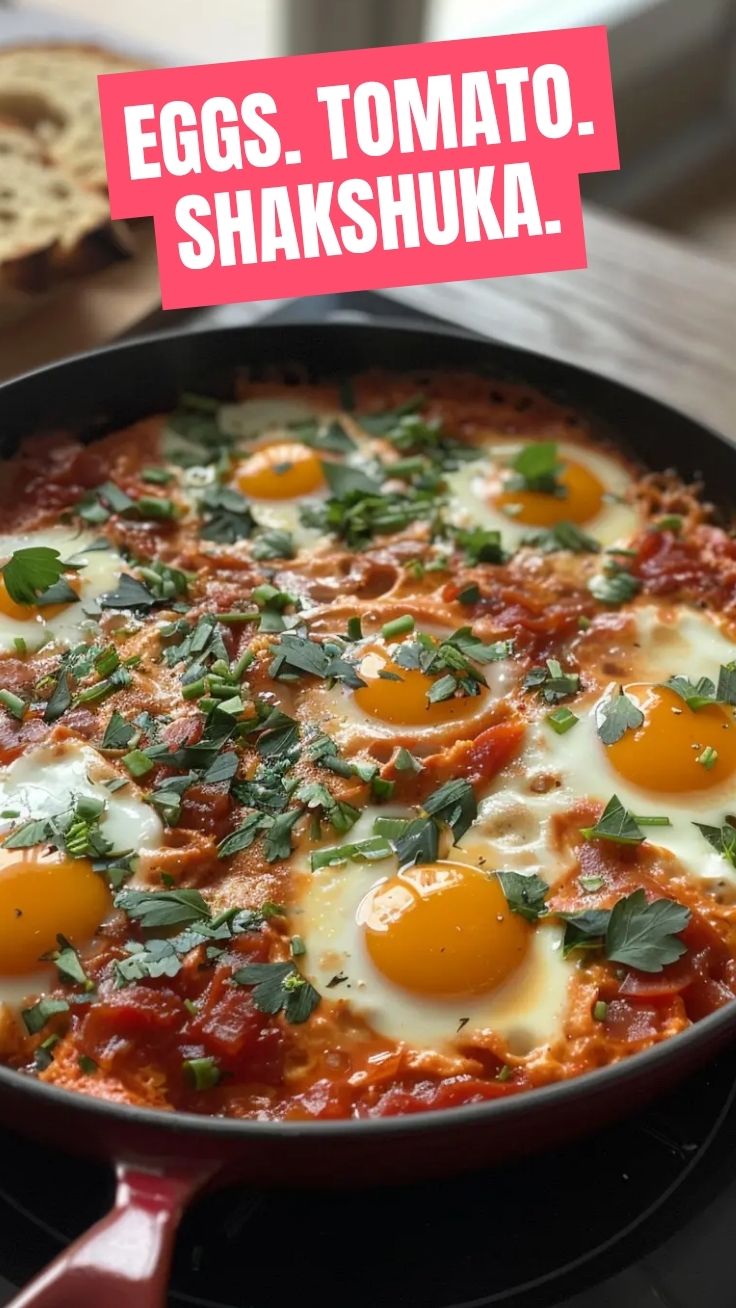
4. Poach the Eggs: Cover the skillet and continue to cook for 5-8 minutes, or until the egg whites are set and the yolks are still runny (or cooked to your desired doneness). For a perfect recipe, keep an eye on the eggs to prevent overcooking.
5. Garnish and Serve: Remove the skillet from the heat. Garnish generously with fresh cilantro or parsley and crumbled feta cheese (if using). Serve immediately with crusty bread or warm pita bread for dipping.
Nutritional Benefits & Advantages
Beyond its irresistible taste, Shakshuka is a nutritional powerhouse. Tomatoes are rich in lycopene, a powerful antioxidant, and Vitamin C. Eggs provide high-quality protein, essential amino acids, and vital nutrients like Vitamin D and B12. The bell peppers contribute additional vitamins and fiber, while onions and garlic offer immune-boosting properties. This dish is also naturally gluten-free (when served with gluten-free bread) and can be easily adapted to be dairy-free. It’s a balanced meal that provides sustained energy and supports overall health, all while being incredibly satisfying.
Tips, Variations & Cooking Advice
- Spice it Up: For more heat, add a pinch of red pepper flakes or a dash of your favorite hot sauce to the tomato sauce.
- Greens Power: Stir in a handful of fresh spinach or kale during the last few minutes of simmering for added nutrients.
- Cheesy Goodness: Besides feta, try sprinkling with grated Parmesan or a sharp cheddar for a different flavor profile.
- Meat Lover’s Version: Sauté some crumbled lamb, ground beef, or merguez sausage alongside the onions for a heartier meal.
- Smoky Depth: A tiny amount of liquid smoke can enhance the smoky flavor if you don’t have smoked paprika.
- Flavor Boost: A splash of red wine or a squeeze of fresh lemon juice at the end can brighten the sauce.
Common Mistakes to Avoid
- Overcooking the Eggs: This is the most common pitfall. Keep a close eye on the eggs; you want set whites and ideally, runny yolks. Cook time can vary based on skillet size and heat.
- Burning the Garlic: Garlic burns quickly and can turn bitter. Add it towards the end of the sautéing process and cook only until fragrant.
- Under-Seasoning: Don’t be shy with salt and pepper in the tomato sauce. Taste and adjust as you go.
- Using a Too-Small Pan: A crowded pan can lead to uneven cooking and make it difficult to create wells for the eggs. Use a broad skillet.
- Skipping the Simmer: The simmering step allows the flavors to truly develop and meld. Don’t rush it.
Storage & Meal Prep Tips
Leftover Shakshuka can be stored in an airtight container in the refrigerator for up to 3 days. While the eggs might cook further upon reheating, the sauce itself reheats beautifully. Reheat gently on the stovetop over low heat, adding a splash of water if the sauce appears too thick. Alternatively, microwave in short intervals until warmed through. The sauce can also be made ahead of time and stored. When ready to serve, simply reheat the sauce, create wells, and poach fresh eggs. This makes it a fantastic option for meal prepping!
Conclusion
Mastering this flavorful Shakshuka recipe opens up a world of culinary possibilities, proving that restaurant-quality dishes are easily achievable in your own kitchen. We hope this comprehensive guide inspires you to whip up a batch of this vibrant and delicious meal. Don’t hesitate to experiment with the flavors and make it truly your own. Share your creations and feedback in the comments below – we’d love to hear how your Shakshuka adventure turns out!
FAQs
Q1: Can I make Shakshuka vegetarian or vegan?
A1: Shakshuka is naturally vegetarian. For a vegan version, you can substitute the eggs with silken tofu crumbles seasoned with black salt (kala namak) for an “eggy” flavor, or simply omit the eggs altogether and enjoy the rich tomato base with plenty of crusty bread.
Q2: What kind of tomatoes are best for Shakshuka?
A2: Crushed San Marzano tomatoes are highly recommended for their rich, sweet flavor and lower acidity. However, any good quality canned crushed or diced tomatoes will work well. You can also use fresh, ripe tomatoes, but they will require more cooking time to break down.
Q3: How do I prevent the eggs from sticking to the pan?
A3: Ensure your pan is well-seasoned (if using cast iron) or has a good non-stick coating. Creating clear wells in the sauce and adding a bit of oil before cracking the eggs can also help. Don’t overcrowd the pan.
Q4: Can I freeze Shakshuka?
A4: The tomato sauce base freezes exceptionally well for up to 3 months. However, poached eggs do not freeze or reheat well. It’s best to freeze the sauce without the eggs and then poach fresh eggs when you’re ready to serve.
Q5: What are some good side dishes to serve with Shakshuka?
A5: Crusty bread, pita bread, or challah are essential for dipping. A simple green salad or a side of hummus can complement the dish beautifully. Roasted potatoes or a rice pilaf can also make it a more substantial meal.