Unlock the Authentic Flavors of Mexico with Homemade Pico de Gallo: Your Ultimate Guide
Have you ever tasted a Pico de Gallo so fresh, so vibrant, it transports you straight to a bustling Mexican market? While store-bought options can be convenient, nothing compares to the explosive flavors and satisfying crunch of homemade Pico de Gallo. This staple of Mexican cuisine, often referred to as Salsa Fresca, is more than just a condiment; it’s a celebration of simple, fresh ingredients. In this comprehensive guide, we’ll walk you through crafting your own perfect batch, ensuring every bite is a burst of zesty delight. You’ll learn the secrets to balancing its bright acidity with savory undertones, an essential skill for any home cook looking to elevate their culinary repertoire. Get ready to transform your tacos, nachos, and grilled dishes with this incredible, easy-to-make relish!
Ingredients & Kitchen Tools
Crafting the perfect fresh salsa requires quality ingredients and a few basic tools.
- Ripe Tomatoes (3-4 medium): Roma or Beefsteak tomatoes work best due to their firm texture and lower water content. Look for bright red, slightly firm tomatoes.
- White Onion (1 small): Provides a sharp, pungent bite. Red onion can be substituted for a slightly milder flavor and vibrant color.
- Jalapeño Pepper (1-2, or to taste): Adds a kick. Remove seeds and membranes for milder heat. For more heat, try serrano peppers.
- Fresh Cilantro (½ cup, packed): Essential for its herbaceous, bright flavor. If you’re a cilantro-hater, you can omit it, but it truly makes the dish.
- Fresh Lime Juice (2-3 tablespoons): From real limes, not bottled! It’s crucial for the tangy, zesty finish.
- Salt (½ teaspoon, or to taste): Enhances all the flavors. Use sea salt or kosher salt.
- Garlic Clove (1, optional): Minced very finely for an extra layer of savory depth.
- Large Mixing Bowl: For combining all ingredients.
- Sharp Knife: A chef’s knife is ideal for precise, even dicing.
- Cutting Board: Essential for safe and efficient prep.
- Measuring Spoons & Cups: For accurate ingredient quantities.
Prep Time & Cooking Schedule
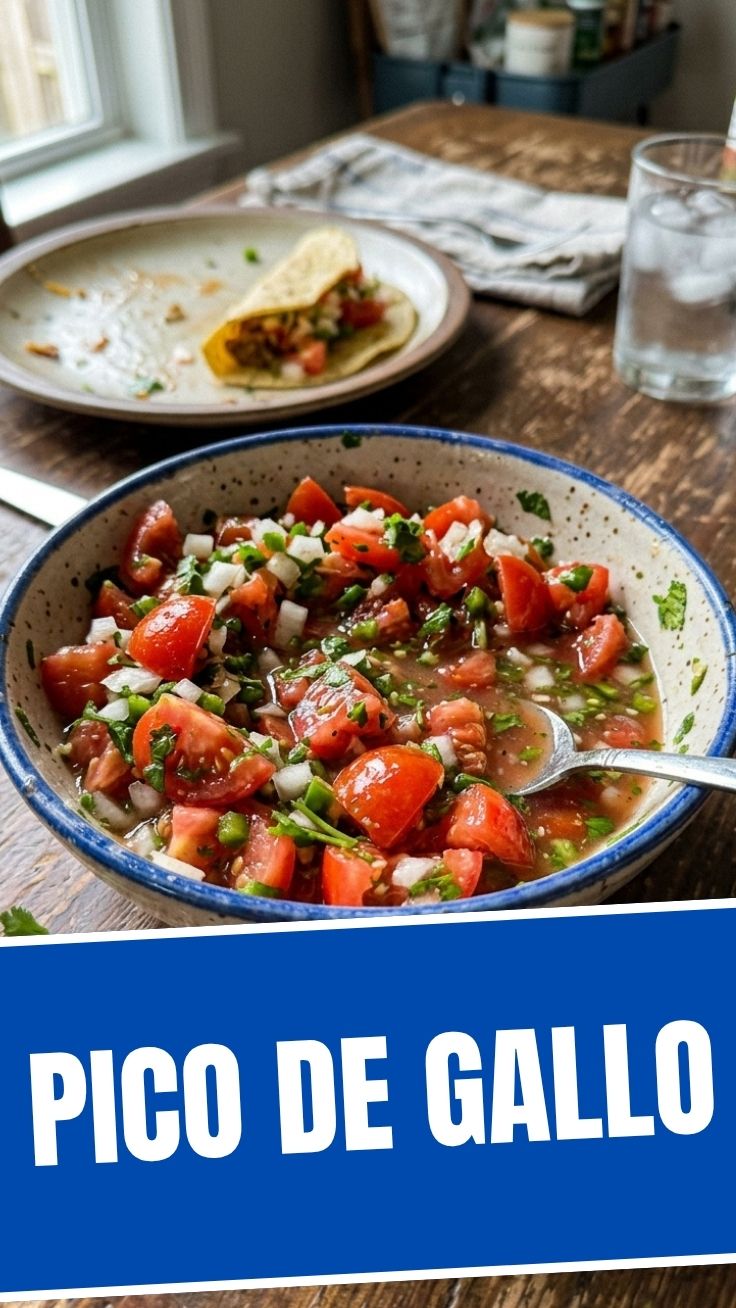
This recipe is prized for its speed and simplicity, making it perfect for a last-minute addition to any meal.
- Prep Time: 15 minutes
- Resting Time: 15-30 minutes (recommended for flavors to meld)
- Cooking Time: 0 minutes (no cooking required!)
While there’s no “cooking” involved, a short resting period in the refrigerator allows the flavors to truly marry and intensify, creating a more harmonious and delicious final product. Plan to make it at least 15 minutes before serving, or even a few hours ahead for optimal taste.
Step-by-Step Instructions
Creating your own vibrant Pico de Gallo is incredibly straightforward.
1. Prepare the Tomatoes: Wash and thoroughly dry the tomatoes. Core them, then finely dice them into small, even pieces (about ¼ inch). Place the diced tomatoes in a large mixing bowl. The key here is consistent dicing for texture.
2. Dice the Onion: Peel and finely dice the white onion to a similar size as the tomatoes. For a milder flavor, you can rinse the diced onion under cold water for a minute, then drain it well before adding to the bowl.
3. Mince the Jalapeño: Wash the jalapeño. For less heat, slice it in half lengthwise, remove the seeds and white membrane, then finely mince. For more heat, leave some seeds in. Add to the bowl. Always wash your hands immediately after handling peppers!
4. Chop the Cilantro: Wash the fresh cilantro and pat it thoroughly dry. Finely chop the leaves and tender stems. Add to the bowl with the other vegetables.
5. Combine and Season: Add the fresh lime juice and salt (and minced garlic, if using) to the bowl with all the diced ingredients. Gently stir everything together until well combined.
6. Taste and Adjust: Taste the Salsa Fresca and adjust seasonings as needed. You might want more salt, a squeeze more lime juice, or an extra pinch of jalapeño for heat.
7. Rest (Optional but Recommended): Cover the bowl and refrigerate for 15-30 minutes before serving. This allows the flavors to meld beautifully.
Nutritional Benefits & Advantages
This fresh relish isn’t just delicious; it’s packed with nutritional goodness! Tomatoes are rich in lycopene, a powerful antioxidant, and Vitamin C. Onions contain quercetin, an antioxidant with anti-inflammatory properties. Cilantro is known for its detoxifying qualities and provides Vitamin K. Jalapeños offer capsaicin, which can boost metabolism. Being low in calories and high in vitamins and minerals, Pico de Gallo is a fantastic way to add flavor and nutrients to your meals without added fats or sugars, making it a healthy and vibrant choice.
Tips, Variations & Cooking Advice
- Tomato Quality is Key: The success of your Salsa Fresca hinges on ripe, flavorful tomatoes. Avoid pale, mealy tomatoes.
- Even Dicing: Aim for consistently sized pieces for a pleasant texture in every bite.
- Heat Control: For milder varieties, use less jalapeño or remove all seeds and membranes. For spicier, use serrano peppers or leave some seeds in the jalapeño.
- Add an Avocado: For a creamier, richer texture, gently fold in a diced ripe avocado just before serving.
- Tropical Twist: Add finely diced mango or pineapple for a sweet and tangy variation.
- Roasted Vegetables: For a deeper, smoky flavor, briefly roast your tomatoes, onions, and jalapeños before dicing.
- Dairy-Free/Gluten-Free: Pico de Gallo is naturally gluten-free and dairy-free, making it suitable for a wide range of dietary needs.
Common Mistakes to Avoid
- Overly Large Chunks: While it’s not a smooth salsa, large, uneven pieces of tomato or onion can make it difficult to eat and give an unrefined texture. Fine, even dicing is crucial.
- Too Much Liquid: If your tomatoes are very watery, gently deseed them first to prevent a soupy Salsa Fresca.
- Skipping the Rest Time: While edible immediately, a short rest allows flavors to meld, significantly improving the taste.
- Not Enough Salt/Lime: These are the essential brighteners. Don’t be afraid to adjust to taste. A common mistake is undersalting, which leaves the salsa tasting flat.
Storage & Meal Prep Tips
Homemade Pico de Gallo is best enjoyed fresh.
- Refrigeration: Store in an airtight container in the refrigerator for up to 3-4 days.
- Keep Liquid Separate: As it sits, the vegetables will release more liquid. You can drain off some of this liquid before serving if desired, to maintain a firmer consistency.
- Not Freezer Friendly: Due to its high water content, freezing Pico de Gallo is not recommended as it will become mushy upon thawing.
- Meal Prep: You can pre-chop all the vegetables and store them separately in the fridge. Combine them with lime juice and salt just before serving to maintain maximum freshness and texture.
Conclusion
Mastering homemade Pico de Gallo is a culinary game-changer, transforming everyday meals into vibrant feasts. With its burst of fresh flavors and simple preparation, this classic Salsa Fresca truly brightens any dish. We’ve guided you through every step, from selecting the perfect ingredients to fine-tuning the flavors, ensuring your homemade version is nothing short of spectacular. Don’t hesitate to dive into this recipe; your taste buds will thank you. Try it, share your creations, and let us know how your culinary journey unfolds!
FAQs
Q1: Can I make Pico de Gallo ahead of time?
A1: Yes, you can make it a few hours in advance, but it’s best consumed within 1-2 days for optimal freshness and texture. Beyond that, the tomatoes may become too soft.
Q2: What if I don’t like cilantro?
A2: While cilantro is traditional, you can omit it if you’re not a fan. Some people substitute it with finely chopped fresh parsley, though it will alter the authentic flavor profile.
Q3: My Salsa Fresca tastes bland. What should I do?
A3: This usually means it needs more salt and/or lime juice. Taste and adjust incrementally until the flavors pop. A pinch of cumin or a tiny amount of sugar can also balance the acidity.
Q4: How can I make it spicier?
A4: Use more jalapeño, or substitute with serrano peppers for increased heat. For extreme spice, a very small amount of habanero can be used, but proceed with caution!
Q5: What are the best tomatoes to use for Pico de Gallo?
A5: Roma tomatoes are ideal due to their lower water content and firm flesh. Beefsteak tomatoes also work well. Avoid very watery or mealy varieties.