Spring on a Plate: Crafting the Perfect Pasta Primavera at Home
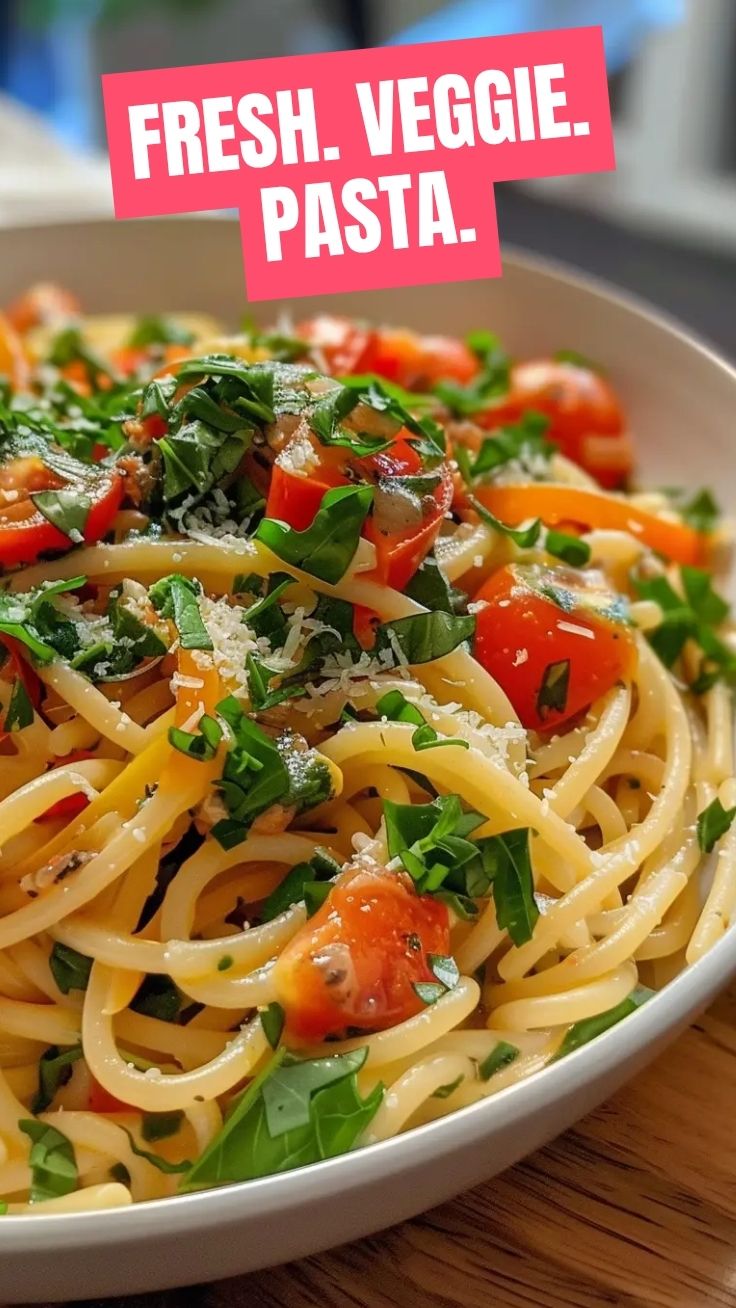
Ever wonder how to capture the vibrant essence of spring in a single, satisfying dish? Look no further than a homemade Pasta Primavera! This delightful culinary creation is not just a meal; it’s a celebration of fresh, seasonal ingredients, bringing a burst of color and nutrition to your table. Preparing this Primavera pasta recipe at home offers unparalleled control over quality and flavor, allowing you to tailor it to your exact preferences and dietary needs. Ditch the takeout and embrace the joy of crafting a truly personalized and delicious experience from your own kitchen.
Ingredients & Kitchen Tools
- 1 lb short pasta (e.g., penne, farfalle, orecchiette): Provides a perfect canvas for the vibrant vegetables. Choose whole wheat for added fiber.
- 2 tbsp olive oil (extra virgin preferred): For sautéing and adding a rich, fruity note.
- 1 medium red onion, thinly sliced: Adds a mild, sweet allium flavor.
- 3 cloves garlic, minced: Essential for aromatic depth and classic Italian taste.
- 1 red bell pepper, cored and thinly sliced: Contributes sweetness, crunch, and a beautiful color.
- 1 yellow bell pepper, cored and thinly sliced: Similar to red, offering another layer of sweetness and visual appeal.
- 1 cup asparagus spears, trimmed and cut into 1-inch pieces: A quintessential spring vegetable, providing a slightly earthy, fresh taste.
- 1 cup broccoli florets: Adds a tender-crisp texture and nutritional punch.
- 1 cup cherry tomatoes, halved: Bursts with juicy sweetness when cooked.
- ½ cup frozen peas: Quickly adds sweetness and vibrant green color without much effort.
- ½ cup vegetable broth: Creates a light sauce and helps meld flavors.
- ¼ cup grated Parmesan cheese (plus more for serving): Adds a salty, umami depth to the sauce. Substitute with nutritional yeast for a dairy-free option.
- 2 tbsp fresh lemon juice: Brightens the dish and enhances the fresh flavors.
- ¼ cup fresh basil, chopped: Aromatic and brings a peppery, sweet note.
- Salt and freshly ground black pepper to taste: Essential for seasoning and balancing flavors.
- Large pot: For boiling pasta.
- Large skillet or Dutch oven: For sautéing vegetables and combining the dish.
- Colander: For draining pasta.
- Cutting board and sharp knife: For preparing vegetables.
Prep Time & Cooking Schedule
- Prep Time: 20 minutes (for chopping and trimming vegetables)
- Cook Time: 25-30 minutes (including pasta cooking time)
- Total Time: Approximately 45-50 minutes
This dish is designed for efficiency. You can start the pasta water while you chop your vegetables, making the most of your time in the kitchen. There’s no resting or marinating time required, making it an ideal choice for a quick weeknight dinner or a fresh weekend lunch.
Step-by-Step Instructions
1. Cook the Pasta: Bring a large pot of generously salted water to a boil. Add the short pasta and cook according to package directions until al dente. Reserve 1 cup of pasta water before draining.
2. Sauté Aromatics: While the pasta cooks, heat olive oil in a large skillet or Dutch oven over medium heat. Add the thinly sliced red onion and cook for 3-4 minutes until softened. Add the minced garlic and cook for another minute until fragrant, being careful not to burn it.
3. Add Hardier Vegetables: Incorporate the sliced red and yellow bell peppers, asparagus pieces, and broccoli florets into the skillet. Sauté for 5-7 minutes, stirring occasionally, until the vegetables start to soften but still retain a slight crispness.
4. Introduce Softer Vegetables & Liquid: Add the halved cherry tomatoes, frozen peas, and vegetable broth to the skillet. Bring to a gentle simmer and cook for 3-5 minutes, allowing the tomatoes to soften and release their juices, and the peas to cook through.
5. Combine and Finish: Add the drained pasta to the skillet with the vegetables. Stir in the grated Parmesan cheese and fresh lemon juice. If the sauce seems too thick, add a splash or two of the reserved pasta water to achieve a desirable consistency. Season generously with salt and freshly ground black pepper. This step beautifully brings together the fragrant vegetables and al dente pasta, creating a truly authentic Pasta Primavera.
6. Garnish: Remove from heat and stir in the chopped fresh basil. Serve immediately, topped with extra Parmesan cheese if desired. This vibrant Primavera pasta recipe is best enjoyed fresh.
Nutritional Benefits & Advantages
This Pasta Primavera is a powerhouse of nutrition, teeming with vitamins, minerals, and fiber. The array of fresh vegetables provides antioxidants, supporting overall health and boosting your immune system. Asparagus is a good source of Vitamin K and folate, while bell peppers are rich in Vitamin C. Broccoli offers fiber and Vitamin C, and cherry tomatoes contribute lycopene. The whole wheat pasta (if chosen) adds complex carbohydrates for sustained energy and dietary fiber for digestive health. It’s a naturally low-fat and highly satisfying meal that supports a balanced diet.
Tips Variations & Cooking Advice
- Flavor Boost: For an extra layer of flavor, roast some of the harder vegetables (like broccoli and bell peppers) before adding them to the skillet.
- Protein Power-Up: Add grilled chicken, shrimp, or chickpeas for a complete meal.
- Herb Variations: Experiment with other fresh herbs like parsley, oregano, or chives.
- Creamy Twist: Stir in a tablespoon or two of cream cheese or mascarpone at the end for a richer, creamier sauce.
- Spice It Up: A pinch of red pepper flakes can add a pleasant warmth.
- Gluten-Free: Easily made gluten-free by using your favorite gluten-free pasta.
- Dairy-Free/Vegan: Omit the Parmesan cheese (or use nutritional yeast) and ensure your pasta is egg-free.
Common Mistakes to Avoid
- Overcooking the Pasta: Mushy pasta is a sin! Always cook to al dente for the best texture.
- Overcooking Vegetables: The key to Primavera is vibrant, slightly crisp vegetables. Don’t let them turn to mush.
- Skimping on Seasoning: Vegetables need proper seasoning. Taste as you go and adjust salt and pepper.
- Not Reserving Pasta Water: This starchy water is crucial for creating a silky, emulsified sauce.
- Using Stale Herbs: Fresh herbs make a huge difference in this dish. Use fresh whenever possible.
Storage & Meal Prep Tips
Leftovers of this Pasta Primavera can be stored in an airtight container in the refrigerator for up to 3-4 days. While the vegetables may lose a bit of their crispness, the flavors will still be delicious. Reheat gently in a skillet over low heat, adding a splash of vegetable broth or water to rehydrate the sauce if needed. This dish does not freeze particularly well due to the delicate nature of the vegetables and pasta. For meal prep, you can chop all your vegetables ahead of time and store them in the refrigerator, making assembly quick and easy on cooking day.
Conclusion
There you have it – a fresh, flavorful, and wonderfully versatile Pasta Primavera that celebrates the bounty of the spring season. This recipe offers a perfect balance of wholesome ingredients and delightful flavors, making it a fantastic addition to any home cook’s repertoire. We hope this step-by-step guide empowers you to create your own vibrant and delicious Primavera pasta recipe. Don’t hesitate to personalize it with your favorite vegetables and seasonings. Share your culinary creations with us and enjoy the taste of spring all year round!
FAQs
Q: Can I use different vegetables in this recipe?
A: Absolutely! This recipe is incredibly adaptable. Feel free to substitute with other seasonal vegetables like zucchini, spinach, mushrooms, or green beans.
Q: What’s the best type of pasta for Primavera?
A: Short pasta shapes like penne, farfalle, rigatoni, or orecchiette work best as they can hold the vegetables and sauce well in every forkful.
Q: How can I make the sauce creamier without heavy cream?
A: In addition to the reserved pasta water and Parmesan, you can stir in a tablespoon of cream cheese, mascarpone, or even a dairy-free cream alternative at the end for added creaminess.
Q: My vegetables are always mushy. What am I doing wrong?
A: The key is to add hardy vegetables first and softer ones later. Don’t overcrowd the pan, which can steam the vegetables instead of sautéing them. Aim for an “al dente” texture even for your vegetables.