Sizzle into Summer: Your Ultimate Guide to Healthy High-Protein BBQ!
Are you tired of bland, uninspired BBQ meals that leave you feeling sluggish instead of satisfied? Imagine sinking your teeth into succulent, smoky flavors that not only tantalize your taste buds but also fuel your body with essential nutrients. Preparing high protein BBQ recipes healthy at home isn’t just about saving money; it’s about taking control of your ingredients, customizing flavors, and ensuring every bite contributes to your wellness goals. This guide will transform your grilling game, proving that healthy doesn’t mean sacrificing flavor. We’ll show you how to master delicious healthy high protein grill recipes that are perfect for any occasion, from weeknight dinners to impressive backyard feasts. Get ready to impress your friends and family with meals that are as nourishing as they are delectable!
Ingredients & Kitchen Tools
Here’s what you’ll need to create your culinary masterpiece:
- Lean Protein (e.g., Chicken Breast, Pork Tenderloin, Firm Tofu, Salmon Fillets): 1.5-2 lbs. Opt for skinless, boneless chicken or trimmed pork for lower fat content. Tofu should be extra-firm, pressed well. Salmon should be wild-caught if possible.
- Homemade BBQ Rub: A blend of paprika, chili powder, garlic powder, onion powder, cumin, black pepper, and a touch of allulose or erythritol for sweetness. This allows you to control sugar and sodium.
- Low-Sugar BBQ Sauce (e.g., Primal Kitchen, G Hughes Sugar Free): 1 cup. Vital for flavor without excess sugar.
- Apple Cider Vinegar: ¼ cup. Adds a tangy depth to marinades and sauces.
- Olive Oil or Avocado Oil: 2 tablespoons. For grilling and preventing sticking.
- Fresh Herbs (e.g., Cilantro, Parsley, Chives): For garnish and fresh flavor.
- Veggies for Grilling (e.g., Bell Peppers, Zucchini, Onion, Corn on the Cob): 2-3 cups. Add essential vitamins and fiber.
- Grill (Charcoal or Gas): The star of our show, providing that quintessential smoky flavor.
- Grill Tongs: For safe and easy flipping.
- Meat Thermometer: Ensures your protein is cooked perfectly and safely.
- Mixing Bowls: For marinating and mixing ingredients.
- Basting Brush: For applying BBQ sauce during grilling.
- Cutting Board & Sharp Knife: For prep work.
- Optional Substitutions: For BBQ rub, you can use pre-made low-sodium, sugar-free options. For protein, venison, lean beef, or even tempeh can be excellent choices.
Prep Time & Cooking Schedule
- Prep Time: 20-25 minutes (includes making rub, chopping veggies, and prepping protein).
- Marinating Time: At least 30 minutes, ideally 2-4 hours, or even overnight for maximum flavor penetration. For chicken or pork, longer marinating times are beneficial. For fish, keep it to under 30 minutes to avoid breaking down the delicate flesh.
- Grill Preheating Time: 10-15 minutes (aim for medium-high heat).
- Cooking Time: 15-30 minutes, varying based on the protein type and thickness.
- Resting Time: 5-10 minutes (for meats, allowing juices to redistribute for tenderness).
Plan ahead to allow ample marinating time, as this significantly impacts the flavor and tenderness of your grilled protein.
Step-by-Step Instructions
1. Prepare the Protein: Pat your chosen protein dry with paper towels. Evenly coat it with your homemade BBQ rub. For chicken or pork, marinate in a mixture of apple cider vinegar and a tablespoon of olive oil for at least 30 minutes. This is a crucial step for truly flavorful high protein BBQ recipes healthy.
2. Preheat the Grill: Heat your grill to medium-high (around 400-450°F or 200-230°C). Clean the grates thoroughly with a wire brush, then lightly oil them to prevent sticking.
3. Grill the Protein: Place the marinated protein on the hot grill. Cook, turning occasionally, until it reaches the desired internal temperature (e.g., chicken: 165°F/74°C, pork: 145°F/63°C, fish: 145°F/63°C). Use a meat thermometer for accuracy. For truly delicious healthy high protein grill recipes, aiming for those perfect grill marks is key.
4. Grill the Vegetables: While the protein cooks, toss your chopped vegetables with a drizzle of olive oil, salt, and pepper. Grill them alongside the protein, or after, until tender-crisp and slightly charred.
5. Baste with BBQ Sauce: During the last 5-10 minutes of cooking, generously baste the protein with your low-sugar BBQ sauce. This creates a delicious caramelized crust without burning.
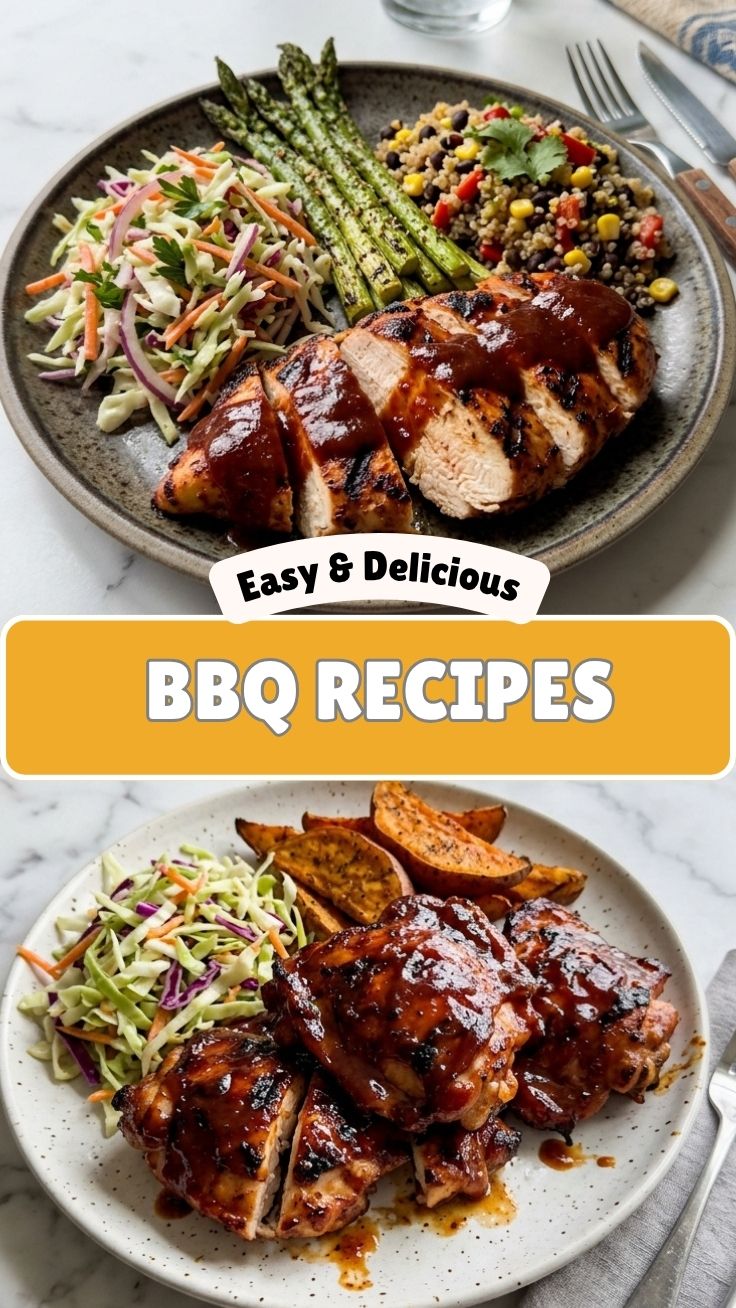
6. Rest and Serve: Once cooked, remove the protein from the grill and let it rest on a cutting board for 5-10 minutes. This allows the juices to redistribute, ensuring a tender and moist final product. Slice against the grain if it’s a larger cut like pork tenderloin or chicken breast. Garnish with fresh herbs and serve immediately with your grilled vegetables.
Nutritional Benefits & Advantages
These recipes are packed with lean protein, crucial for muscle repair, satiety, and metabolism. By using homemade rubs and low-sugar BBQ sauces, you significantly reduce added sugars and unhealthy fats, making your meal heart-healthy and blood sugar-friendly. The addition of a variety of grilled vegetables boosts fiber, vitamins, and antioxidants, contributing to overall well-being and digestive health. This approach also naturally aligns with several dietary goals, including low-carb, keto, and weight management.
Tips Variations & Cooking Advice
- Flavor Boost: For an extra smoky flavor, add wood chips (hickory or applewood) to your charcoal grill or a smoker box on a gas grill.
- Spice It Up: Add a pinch of cayenne pepper or red pepper flakes to your BBQ rub for a fiery kick.
- Citrus Marinade: Use lemon or lime juice in your marinade for a brighter, zesty flavor, especially good with fish or chicken.
- Vegetarian Options: Swap meat for marinated portobello mushrooms, halloumi cheese, or hearty vegetable skewers.
- Alternative Cooking Methods: If a grill isn’t available, use a grill pan on the stovetop or bake the protein in the oven, finishing under the broiler for charring.
- Meal Prep Friendly: Cook a larger batch of protein and vegetables for easy lunches or dinners throughout the week.
Common Mistakes to Avoid
- Overcooking: The most common mistake! Always use a meat thermometer to prevent dry, tough protein. Resting the meat after cooking is also crucial.
- Not Oiling the Grates: Leads to sticking and frustration. Ensure grates are clean and lightly oiled before cooking.
- Applying BBQ Sauce Too Early: High sugar content in many sauces can burn quickly over high heat. Add it during the last few minutes.
- Crowding the Grill: Don’t overload the grill. Give protein and veggies space to allow for proper air circulation and even cooking, promoting good charring.
- Ignoring Resting Time: Skipping the rest time for meats results in dry, less flavorful outcomes as the juices escape when you cut into it too soon.
Storage & Meal Prep Tips
Store leftover grilled protein and vegetables in airtight containers in the refrigerator for up to 3-4 days. For longer storage, cooked protein can be frozen for up to 2-3 months. To reheat, gently warm in an oven or microwave, adding a splash of broth or water to maintain moisture. Leftovers are excellent in salads, wraps, or as components for healthy grain bowls, making weeknight meal prep a breeze.
Conclusion
Embracing the art of grilling at home allows you to create incredible, flavorful meals that align perfectly with a healthy lifestyle. By focusing on lean proteins, fresh vegetables, and homemade seasoning, you can easily prepare high protein BBQ recipes healthy that are both delicious and nutritious. We hope this guide inspires you to fire up your grill and experiment with these fantastic healthy high protein grill recipes. Share your grilling successes in the comments below – we’d love to hear your favorite combinations and tips!
FAQs
Q1: Can I use frozen protein for this recipe?
A1: Yes, but ensure it’s fully thawed before marinating and grilling. Patting it very dry is essential to remove excess moisture.
Q2: How can I make my own low-sugar BBQ sauce?
A2: Combine tomato paste, apple cider vinegar, a sugar substitute (like erythritol or allulose), Dijon mustard, liquid smoke, and your preferred spices. Simmer until thickened.
Q3: What are some good vegetarian protein options for grilling?
A3: Besides firm tofu and portobello mushrooms, consider grilling thick slices of tempeh, halloumi cheese, or even plant-based “chicken” or “sausage” alternatives.
Q4: My grilled chicken always comes out dry. What am I doing wrong?
A4: You’re likely overcooking it. Use a meat thermometer to ensure it reaches exactly 165°F (74°C) and no more. Also, don’t skimp on the resting time after grilling.
Q5: How can I prevent vegetables from falling through the grill grates?
A5: Cut vegetables into larger pieces, use a grill basket, or thread them onto skewers.