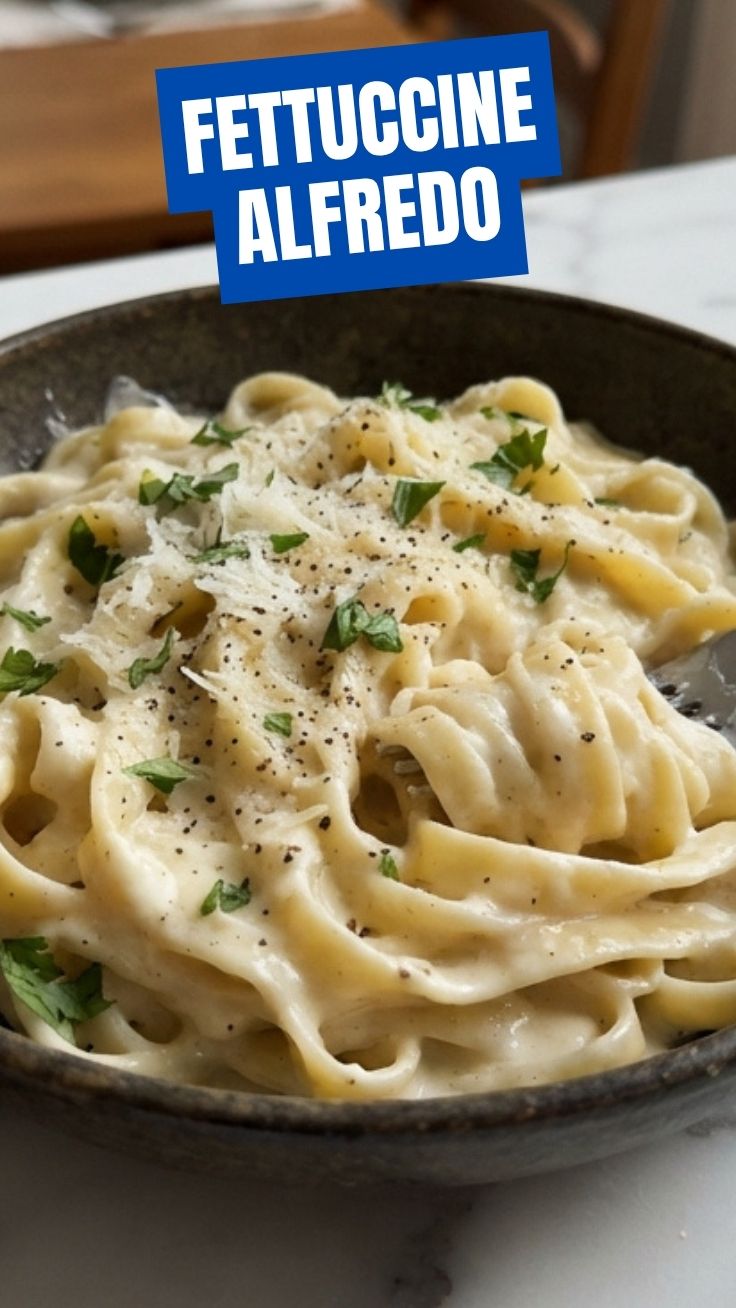
Master the Art of Creamy Perfection: Your Ultimate Guide to Homemade Fettuccine Alfredo
Ever wondered how to recreate that luscious, restaurant-quality Fettuccine Alfredo right in your own kitchen? Preparing this classic at home isn’t just about saving money; it’s about control over ingredients, customizing flavors, and the sheer joy of transforming simple components into a culinary masterpiece. Forget bland imitations or greasy takeout; we’re diving deep into crafting an authentic, velvety smooth Alfredo that will impress even the most discerning palates. And let’s be honest, mastering a few core Pasta sauce recipes opens up a world of delicious possibilities.
Ingredients & Kitchen Tools
Here’s everything you’ll need to embark on your creamy Alfredo journey:
- 1 lb Fettuccine Pasta: The star of the show. Its wide, flat surface is perfect for clinging to the rich sauce. You can substitute with linguine or tagliatelle if preferred.
- ½ cup Unsalted Butter (1 stick): High-quality butter is crucial for flavor and richness. Unsalted allows you to control the sodium content.
- 1 ½ cups Heavy Cream: The foundation of our creamy sauce, providing luxurious texture. Do not substitute with half-and-half or milk; it won’t be thick enough.
- 1 ½ cups Grated Parmesan Cheese (Pecorino Romano optional): Freshly grated is non-negotiable! Pre-grated cheese often contains anti-caking agents that can make the sauce gritty. Pecorino Romano adds a sharper, saltier kick.
- 2-3 cloves Garlic, minced (optional): For an aromatic depth. Adjust to your preference.
- Salt and Freshly Ground Black Pepper, to taste: Essential for seasoning and balancing flavors.
- Fresh Parsley, chopped (for garnish): Adds a pop of color and fresh herb flavor.
Kitchen Tools:
- Large Pot: For boiling the fettuccine.
- Large Skillet or Sauté Pan: To prepare the sauce. A wide surface area helps the sauce reduce evenly.
- Whisk: Essential for emulsifying the sauce and preventing lumps.
- Tongs: For tossing the pasta with the sauce.
- Cheese Grater: For freshly grating Parmesan.
Prep Time & Cooking Schedule
- Prep Time: 10 minutes (mostly for grating cheese and mincing garlic)
- Cook Time: 15-20 minutes
- Resting Time: None! Serve immediately for the best texture.
This recipe is designed for efficiency, allowing you to whip up a gourmet meal in under 30 minutes from start to finish. Focus on having all your ingredients prepped before you begin cooking the pasta, as the sauce comes together very quickly once the pasta is ready.
Step-by-Step Instructions
1. Boil the Pasta: Bring a large pot of generously salted water to a rolling boil. Add the fettuccine and cook according to package directions until al dente – firm to the bite. Before draining, reserve about 1 cup of the starchy pasta water. This liquid is your secret weapon for achieving the perfect sauce consistency.
2. Melt the Butter & Sauté Garlic (Optional): While the pasta cooks, melt the unsalted butter in a large skillet over medium-low heat. If using, add the minced garlic and sauté for about 1 minute until fragrant, being careful not to burn it.
3. Add Heavy Cream: Pour in the heavy cream and bring it to a gentle simmer, stirring occasionally. Do not allow it to boil vigorously. Let it simmer for 2-3 minutes to slightly thicken.
4. Emulsify with Cheese: Reduce the heat to low. Gradually add the grated Parmesan cheese, whisking constantly until the cheese is fully melted and incorporated into a smooth sauce. The key here is low heat and steady whisking to prevent the cheese from clumping.
5. Combine Pasta and Sauce: Drain the cooked fettuccine and immediately add it directly to the skillet with the sauce. Using tongs, toss the pasta thoroughly to coat every strand with the creamy Alfredo.
6. Adjust Consistency and Season: If the sauce seems too thick, slowly add a tablespoon or two of the reserved pasta water, tossing until you reach your desired consistency. Season generously with salt and freshly ground black pepper to taste. Remember, the Parmesan cheese is salty, so taste before adding too much salt.
7. Serve Immediately: Garnish with fresh chopped parsley and serve your luxurious Fettuccine Alfredo hot. Enjoy mastering one of the most iconic Pasta sauce recipes!
Nutritional Benefits & Advantages
While often seen as an indulgence, a homemade Fettuccine Alfredo, when made with quality ingredients, offers more than just comfort. Heavy cream and butter provide healthy fats and energy. Parmesan cheese is a good source of protein and calcium. When paired with whole wheat fettuccine, you can add valuable fiber. It’s also an excellent way to introduce vegetables (like steamed broccoli or spinach) directly into a meal or serve them as a simple side, boosting nutrient intake.
Tips, Variations & Cooking Advice
- Pro Tip for Silky Sauce: Always add the cheese off the heat or on very low heat to prevent a grainy sauce. Whisk continuously!
- Protein Boost: Add cooked chicken, shrimp, or even sautéed mushrooms for a more substantial meal.
- Spice It Up: A pinch of red pepper flakes can add a subtle kick.
- Herbal Infusion: Experiment with a sprig of fresh thyme or oregano simmered in the cream for added complexity, then remove before adding cheese.
- Lighter Version: While not truly Alfredo, for a lighter take, you could try reduced-fat cream cheese or a béchamel base, but be prepared for a different texture.
- Gluten-Free: Simply use your favorite gluten-free fettuccine pasta.
Common Mistakes to Avoid
- Using Pre-Grated Cheese: As mentioned, this leads to a gritty, oily sauce. Always grate fresh!
- Overcooking the Pasta: Soggy pasta is a no-go. Cook until al dente.
- High Heat when Adding Cheese: Too much heat will cause the cheese to separate and become oily or clumpy. Low and slow is key.
- Forgetting Pasta Water: It’s a lifesaver for adjusting sauce consistency and helping it cling to the pasta.
- Waiting to Serve: Alfredo sauce starts to thicken quickly as it cools. Serve immediately!
Storage & Meal Prep Tips
Fettuccine Alfredo is best enjoyed fresh. However, if you have leftovers:
- Refrigeration: Store in an airtight container in the refrigerator for up to 2-3 days.
- Reheating: Reheat gently on the stovetop over low heat, adding a splash of milk, cream, or chicken broth to loosen the sauce and restore its creaminess. Do not microwave if possible, as it can separate the sauce. Stir frequently until warmed through.
- Freezing: Freezing is generally not recommended as the dairy components can separate and become grainy once thawed.
Conclusion
There you have it: the definitive guide to crafting an exquisite, homemade Fettuccine Alfredo. This recipe proves that profound flavor doesn’t require endless ingredients or complicated techniques. With just a few simple steps and fresh, quality components, you can elevate your culinary skills and bring a taste of Italy to your dinner table. Don’t be shy – dive in, experiment, and make this classic truly your own. Share your success in the comments below, or let us know your favorite tweaks to this staple among Pasta sauce recipes!
FAQs
Q: Can I use milk instead of heavy cream?
A: No, for authentic Alfredo, heavy cream is essential for the rich texture and stability of the sauce. Milk will be too thin and won’t emulsify properly.
Q: My sauce is lumpy. What went wrong?
A: This usually happens if the cheese was added over too high heat, causing it to clump, or if pre-grated cheese was used. Ensure heat is low and whisk continuously when adding fresh Parmesan.
Q: Can I prepare the sauce in advance?
A: Alfredo sauce is best made fresh and served immediately. The texture and consistency can change significantly upon reheating, even if done carefully.
Q: How can I make this vegetarian?
A: This recipe is already vegetarian! For a vegan option, you would need to use plant-based heavy cream, butter, and a vegan Parmesan alternative, which will alter the flavor and texture significantly.
Q: Can I add other vegetables?
A: Absolutely! Cooked broccoli florets, sautéed spinach, asparagus spears, or even roasted red peppers are excellent additions to boost color and nutrients. Add them with the pasta in step 5.