Unlock the Secret to Restaurant-Quality Alfredo at Home: Your Ultimate Guide to Creamy Perfection
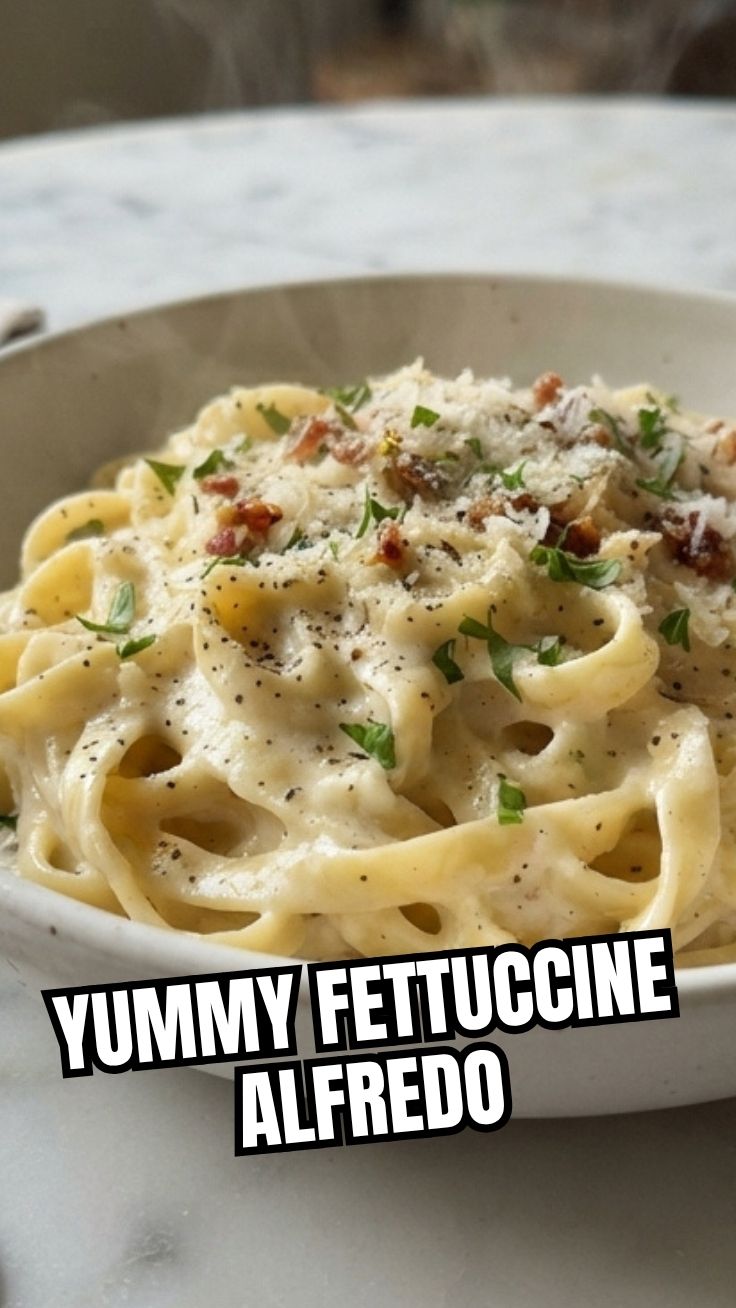
Have you ever wondered if you could truly replicate that rich, velvety Fettuccine Alfredo you adore from your favorite Italian restaurant right in your own kitchen? The answer is a resounding yes! Preparing this iconic dish at home isn’t just about saving money; it’s about customizing flavors, ensuring fresh, high-quality ingredients, and experiencing the immense satisfaction of creating something truly delicious from scratch. Forget bland, watery imitations – our comprehensive guide will walk you through every step to achieve a sublime and authentic Fettuccine Alfredo, rivaling even the finest Pasta Carbonara in its creamy indulgence.
Ingredients & Kitchen Tools
Gathering the right components is the first step to culinary success. Here’s what you’ll need:
Fettuccine Pasta (1 lb / 450g): The classic choice, its wide, flat surface perfectly clings to the creamy sauce. Substitution: Linguine or tagliatelle work well.*
Unsalted Butter (1/2 cup / 113g): Essential for flavor and richness. Clarification: Unsalted gives you control over sodium levels.*
Heavy Cream (1 ½ cups / 360ml): The star of the show, providing the signature creamy texture. Substitution: Full-fat coconut cream for a dairy-free option, though flavor will differ.*
Parmigiano-Reggiano Cheese (1 ½ cups / 150g, freshly grated): Non-negotiable for authentic flavor. Clarification: Avoid pre-grated varieties; they often contain anti-caking agents that hinder melting.*
Garlic (2 cloves, minced): Adds a subtle, aromatic depth. Substitution: Garlic powder (1/2 tsp) if fresh is unavailable.*
Salt (to taste): Seasoning for pasta water and sauce. Clarification: Kosher salt is recommended.*
- Freshly Ground Black Pepper (to taste): Adds a fragrant, piquant finish.
Fresh Parsley (2 tbsp, chopped): For garnish and a touch of freshness. Optional.*
Kitchen Tools:
- Large Pot: For cooking the pasta.
- Large Skillet or Sauté Pan: For preparing the sauce.
- Whisk: For emulsifying the sauce.
- Cheese Grater: For fresh Parmigiano-Reggiano.
- Tongs: For tossing pasta with the sauce.
- Measuring Cups & Spoons: For accurate ingredient portions.
Prep Time & Cooking Schedule
- Prep Time: 10 minutes (grating cheese, mincing garlic)
- Cook Time: 15-20 minutes (pasta cooking + sauce preparation)
- Total Time: 25-30 minutes
This dish comes together remarkably fast, making it an ideal choice for a weeknight meal or a quick, impressive dinner party. The key is to have all your ingredients prepped and ready before you start cooking the pasta.
Step-by-Step Instructions
1. Boil the Pasta Water: Fill your large pot with water, add a generous pinch of salt (it should taste like the sea!), and bring to a rolling boil over high heat.
2. Cook the Fettuccine: Add the Fettuccine Alfredo to the boiling water and cook according to package directions until al dente. Practical Tip: Reserve about 1 cup of the starchy pasta water before draining – it’s your secret weapon for a silky sauce.
3. Prepare the Sauce Base: While the pasta cooks, melt the unsalted butter in the large skillet over medium heat. Add the minced garlic and sauté for 1-2 minutes until fragrant, being careful not to brown it.
4. Add the Cream: Pour in the heavy cream and bring it to a gentle simmer, stirring occasionally. Reduce the heat to low.
5. Emulsify the Cheese: Gradually add the freshly grated Parmigiano-Reggiano cheese, whisking constantly until it melts into the cream and forms a smooth, cohesive sauce. Practical Tip: If the sauce seems too thick, add a tablespoon or two of the reserved pasta water until you reach your desired consistency.
6. Combine Pasta and Sauce: Drain the cooked fettuccine and immediately add it to the skillet with the sauce. Toss gently with tongs, coating every strand thoroughly. For an extra touch of richness reminiscent of a perfectly emulsified Pasta Carbonara, ensure the pasta is hot when it hits the sauce.
7. Season and Serve: Season with freshly ground black pepper to taste. If needed, add a tiny pinch more salt. Garnish with fresh parsley, if desired, and serve immediately.
Nutritional Benefits & Advantages
While often seen as an indulgence, homemade Fettuccine Alfredo can offer some surprising benefits. The Parmigiano-Reggiano is a good source of calcium and protein. Using fresh, high-quality ingredients means you control the fat and sodium content, making it a more wholesome choice than many restaurant versions. Plus, the quick cooking time means you’re getting a nutrient-dense, satisfying meal without spending hours in the kitchen.
Tips, Variations & Cooking Advice
- Protein Boost: Add grilled chicken, sautéed shrimp, or even leftover shredded turkey for a more substantial meal.
- Vegetable Power: Sautéed mushrooms, spinach, or steamed broccoli florets can be stirred in for added nutrients and color.
- Spice It Up: A pinch of red pepper flakes can add a subtle kick.
- Gluten-Free: Use your favorite gluten-free fettuccine pasta.
- Dairy-Free: While challenging to replicate the exact texture, a cashew cream base or full-fat coconut cream can be used with nutritional yeast for a cheesy flavor.
- Brown Butter Alfredo: For an extra layer of nutty complexity, lightly brown the butter before adding garlic and cream.
Common Mistakes to Avoid
- Using Pre-Grated Cheese: This often contains cellulose, which prevents smooth melting and can result in a grainy sauce. Always grate your own!
- Overcooking the Pasta: Mushy pasta won’t hold the sauce well. Cook until al dente.
- Overheating the Sauce: High heat can cause the cream to separate and the cheese to seize. Keep the heat low to medium-low when adding the cheese.
- Skipping Reserved Pasta Water: This starchy water helps emulsify the sauce and create that luxurious, clinging texture. Don’t drain it all!
- Serving Cold: Alfredo sauce can thicken significantly as it cools. Serve immediately for the best experience.
Storage & Meal Prep Tips
Fettuccine Alfredo is best enjoyed fresh. However, if you have leftovers:
- Refrigeration: Store in an airtight container in the refrigerator for up to 2-3 days.
- Reheating: Reheat gently on the stovetop over low heat, adding a splash of milk, cream, or reserved pasta water to loosen the sauce and restore its creamy texture. Microwave reheating can sometimes dry out the pasta.
- Freezing: Freezing is not recommended as the cream-based sauce can separate upon thawing, affecting the texture.
Conclusion
Mastering homemade Fettuccine Alfredo is a culinary triumph that’s well within your reach. With fresh ingredients, a few simple techniques, and our detailed guide, you can create a dish that’s rich, comforting, and utterly satisfying, proving that gourmet flavors are achievable right in your own kitchen. Whether you’re a seasoned chef or a budding home cook, this recipe promises to be a delightful addition to your repertoire, perhaps even giving your favorite Pasta Carbonara a run for its money. We encourage you to try this recipe, share your creamy creations in the comments below, and let us know your favorite variations!
FAQs
Q1: My sauce is too thick/thin. How can I fix it?
A1: If too thick, gradually whisk in some of the reserved pasta water until desired consistency. If too thin, gently simmer on low heat for a few more minutes, stirring frequently, to allow it to reduce slightly.
Q2: Can I use milk instead of heavy cream?
A2: While you can, heavy cream is crucial for the authentic richness and stability of the sauce. Milk will result in a much thinner sauce and may curdle more easily.
Q3: Can I make the sauce ahead of time?
A3: It’s best to make the sauce fresh as it tends to thicken significantly upon cooling. If you must, reheat very gently on the stovetop with extra liquid.
Q4: What’s the best way to grate Parmigiano-Reggiano?
A4: Use the small holes on a box grater or a microplane for a fine texture that melts seamlessly into the sauce.
Q5: Why is my sauce grainy?
A5: This usually happens from using pre-grated cheese with anti-caking agents or from overheating the sauce and causing the cheese to seize. Ensure you use freshly grated cheese and keep the heat low.