The Secret to Restaurant-Quality Butter Chicken at Home: Easier Than You Think!
Ever dreamt of recreating that rich, creamy, and irresistibly flavorful Butter Chicken you crave from your favorite Indian restaurant? What if I told you that achieving authentic, mouth-watering results in your own kitchen is not only possible but genuinely rewarding? Preparing this beloved Indian curry at home means you control the quality of ingredients, adjust spices to your perfect preference, and savor a genuinely wholesome meal without any mystery additives. Get ready to impress your taste buds and loved ones with a dish that showcases the depth of Indian cuisine.
Ingredients & Kitchen Tools
- Chicken Thighs (2 lbs boneless, skinless): Opt for thighs over breast for juicier, more tender results. Cuts better absorb the creamy sauce.
- Plain Greek Yogurt (½ cup full-fat): Marinates the chicken, tenderizing it and adding a subtle tang. Full-fat ensures creaminess.
- Ginger-Garlic Paste (2 tbsp): Essential aromatic base. You can buy pre-made or blend fresh ginger and garlic.
- Lemon Juice (1 tbsp): Brightens flavors and aids in tenderizing the chicken during marination.
- Garam Masala (1 tsp): A staple Indian spice blend, providing warmth and complexity.
- Turmeric Powder (½ tsp): Adds vibrant color and earthy notes, plus health benefits.
- Cumin Powder (1 tsp): Imparts a warm, earthy, and slightly smoky flavor.
- Chili Powder or Kashmiri Chili Powder (1 tsp): For mild heat and brilliant red color (Kashmiri is less spicy, more color).
- Unsalted Butter (¼ cup, plus 2 tbsp): The “butter” in butter chicken, contributing richness and a silky texture.
- Onion (1 medium, finely chopped): Forms the base of the sauce, adding sweetness and depth.
- Canned Diced Tomatoes (14.5 oz can, crushed or pureed): Provides acidity, body, and crucial tomato flavor.
- Tomato Paste (2 tbsp): Concentrates tomato flavor and deepens the sauce’s color.
- Heavy Cream (½ cup): The key to the dish’s signature luxurious, velvety texture.
- Sugar (1 tsp, optional): Balances the acidity of the tomatoes.
- Salt & Black Pepper (to taste): Essential for seasoning.
- Fresh Cilantro (¼ cup, chopped): For garnish, adding freshness and aroma.
- Basmati Rice or Naan Bread: For serving.
Kitchen Tools:
- Large Skillet or Dutch Oven: For cooking the chicken and simmering the sauce.
- Mixing Bowls: For marinating the chicken.
- Measuring Cups & Spoons: For accurate ingredient portions.
- Spatula/Wooden Spoon: For stirring.
- Immersion Blender or Regular Blender: Optional, for a smoother sauce.
Prep Time & Cooking Schedule
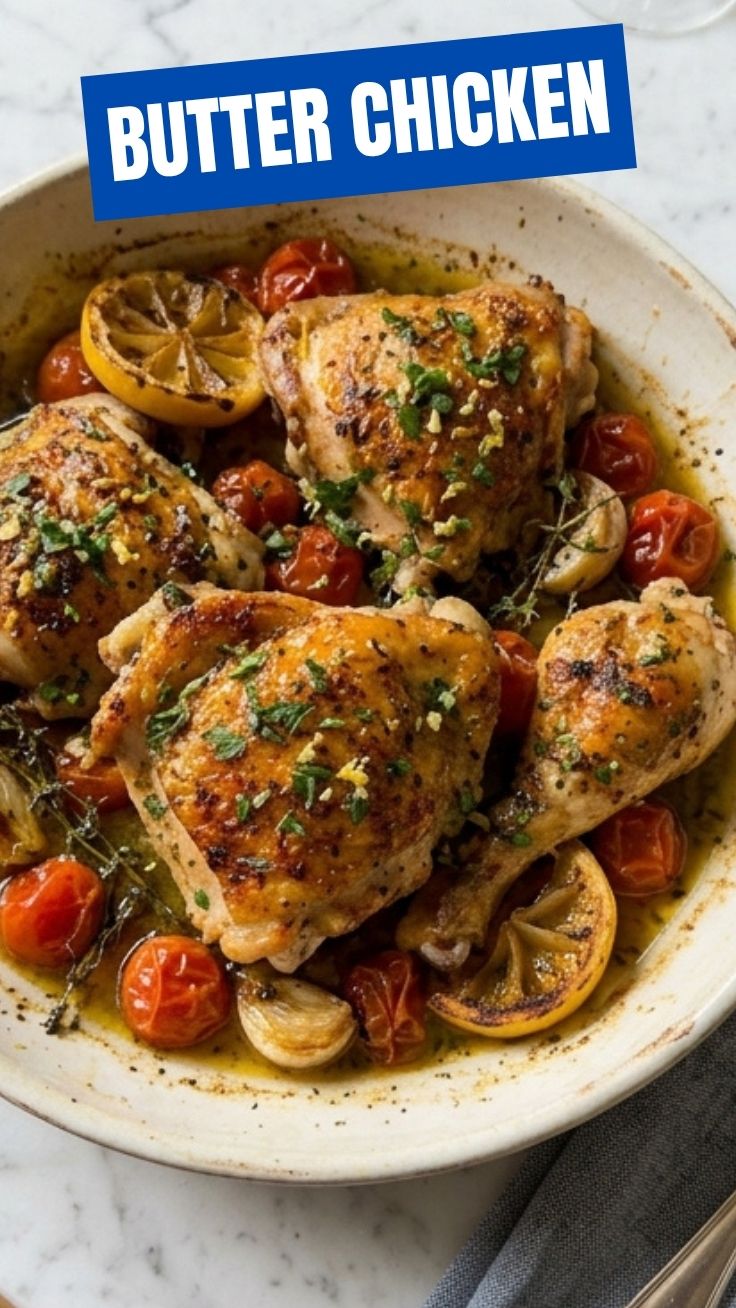
- Prep Time: 20-25 minutes (includes chopping and marinating prep)
Marinating Time: Minimum 30 minutes, ideally 2-4 hours, or overnight for best flavor. This is crucial for tender chicken and deep flavor absorption.*
- Cook Time: 35-40 minutes
- Total Time: Approximately 1.5 – 2 hours (with minimum marination)
Plan to marinate your chicken in the morning or the night before for maximum flavor penetration and a quicker dinner assembly. The cooking process itself is quite straightforward once the prep is done.
Step-by-Step Instructions
1. Marinate the Chicken: In a large bowl, combine the diced chicken thighs with yogurt, ginger-garlic paste, lemon juice, garam masala, turmeric, cumin, and chili powder. Season with ½ tsp salt. Mix well to ensure the chicken is evenly coated. Cover and refrigerate for at least 30 minutes, or up to 24 hours.
2. Sear the Chicken: Heat 1 tablespoon of butter in a large skillet or Dutch oven over medium-high heat. Once hot, add the marinated chicken in a single layer, working in batches if necessary to avoid overcrowding. Cook for 3-4 minutes per side until lightly browned and slightly charred. It doesn’t need to be cooked through at this stage. Remove chicken from the pan and set aside.
3. Build the Sauce: Add the remaining 2 tablespoons of butter to the same pan. Reduce heat to medium. Add the finely chopped onion and sauté for 5-7 minutes until softened and translucent.
4. Add Aromatics & Tomatoes: Stir in 1 tablespoon of ginger-garlic paste and cook for 1 minute until fragrant. Add the crushed tomatoes, tomato paste, and a pinch of salt. Bring to a simmer, stirring occasionally, then reduce heat to low and cook for 10-15 minutes, allowing the sauce to thicken and the flavors to meld. For a truly authentic Indian curry experience, let the tomato base cook down until the oil starts to separate.
5. Combine & Simmer: Return the seared Butter Chicken to the pan with the sauce. Stir to combine. Pour in the heavy cream and add the optional sugar. Stir gently to incorporate.
6. Finishing Touches: Simmer the butter chicken on low heat for an additional 10-15 minutes, allowing the chicken to finish cooking through and absorb the delicious sauce flavors. Taste and adjust seasoning with salt and pepper as needed. If you prefer a smoother sauce, you can use an immersion blender at this stage, blending directly in the pot.
7. Serve: Garnish generously with fresh chopped cilantro. Serve hot with basmati rice or warm naan bread.
Nutritional Benefits & Advantages
This homemade Butter Chicken offers more than just incredible flavor. Chicken thighs provide a good source of lean protein, essential for muscle repair and satiety. Turmeric, a superstar spice, is renowned for its anti-inflammatory properties, while ginger and garlic pack an antioxidant punch. By making it yourself, you avoid excessive sodium, unhealthy fats, and preservatives often found in restaurant versions, making it a healthier and more mindful choice for a hearty meal.
Tips, Variations & Cooking Advice
- Spice Level: Adjust chili powder to your preference. For more heat, add a pinch of cayenne pepper. For less, reduce the chili powder or omit entirely.
- Creaminess Boost: For an even richer sauce, add 1-2 tablespoons of cashew paste (blended raw cashews with a little water) to the sauce along with the heavy cream.
- Dairy-Free: You can substitute full-fat coconut milk or a plant-based cream for the heavy cream, and dairy-free yogurt for marination. Use vegetable oil instead of butter.
- Vegetarian Option: Swap chicken for paneer (Indian cheese) or firm tofu cut into cubes.
- Smoky Flavor: If you have a grill, lightly grill the marinated chicken before adding it to the sauce for a delightful charred, smoky taste.
Common Mistakes to Avoid
- Overcrowding the Pan: When searing chicken, overcrowding lowers the pan temperature, resulting in steamed rather than browned chicken. Cook in batches.
- Skipping Marination: Marination isn’t just about flavor; it tenderizes the chicken, especially important for rich curries. Don’t cut this step short.
- High Heat when Simmering: After adding cream, simmer on low heat to prevent curdling and allow flavors to meld gently.
- Undercooking the Tomato Base: Take your time with the tomato and onion base. Cooking it down properly ensures a deep, rich flavor without a raw tomato taste.
Storage & Meal Prep Tips
Leftover Butter Chicken tastes even better the next day as the flavors deepen!
- Refrigeration: Store in an airtight container in the refrigerator for up to 3-4 days.
- Freezing: This dish freezes exceptionally well. Allow it to cool completely, then transfer to freezer-safe containers or bags. It can be frozen for up to 3 months. Thaw overnight in the refrigerator before reheating.
- Reheating: Reheat gently on the stovetop over low heat, stirring occasionally, or in the microwave. If the sauce thickens too much, add a splash of water, chicken broth, or milk to achieve the desired consistency.
Conclusion
There you have it—a truly comprehensive guide to creating an authentic and incredibly delicious Butter Chicken right in your own kitchen! By following these steps, you’ll master the art of this beloved Indian curry, bringing restaurant-quality flavors to your dining table with confidence. Don’t be shy; give this recipe a try, experiment with your spice levels, and savor the rich rewards of homemade goodness. We’d love to hear how it turns out in the comments below!
FAQs
Q: Can I use chicken breast instead of thighs?
A: Yes, you can, but chicken breast is leaner and can dry out more easily. Consider cutting it into larger pieces and reducing the searing time slightly.
Q: What if I don’t have an immersion blender?
A: You can carefully transfer the sauce (after removing the chicken) to a regular blender and blend until smooth. Be cautious when blending hot liquids.
Q: How can I make the sauce thicker?
A: Allow the sauce to simmer longer on low heat, uncovered, evaporating more liquid. You can also mix a small amount of cornstarch with cold water then stir it into the simmering sauce.
Q: Can I prepare parts of this dish in advance?
A: Absolutely! Marinate the chicken the day before. You can also prepare the onion and tomato base, which can be refrigerated for 2-3 days and then reheated before adding the chicken and cream.