Unleash Your Inner Pitmaster: Mastering BBQ Brisket (Texas Style) at Home
Have you ever savored that smoky, tender, melt-in-your-mouth BBQ Brisket (Texas Style) at your favorite BBQ joint and wished you could recreate that magic at home? The secret to truly exceptional barbecue often feels elusive, but I’m here to tell you it’s within your reach. Preparing this iconic dish, especially a perfectly smoked brisket, isn’t just about cooking; it’s an art form, a labor of love that rewards you with an unforgettable culinary experience and bragging rights. This comprehensive guide will empower you to transform a daunting cut of beef into a barbecue masterpiece, filling your home with an aroma that promises pure deliciousness and bringing the heart of Texas BBQ right to your dinner table.
Ingredients & Kitchen Tools
Crafting the perfect Texas-style brisket requires a precise blend of ingredients and the right culinary arsenal.
- For the Brisket:
* 1 whole packer brisket (12-16 lbs): Look for USDA Prime or Choice grade with good marbling. The “packer” includes both the flat and the point.
* Yellow Mustard (1/4 cup): Acts as a binder for the rub and adds a subtle tang.
* Smoked Paprika (2 tbsp): Essential for color and a foundational smoky flavor.
* Coarse Black Pepper (1/4 cup): The backbone of Texas bark; use fresh cracked for best results.
* Kosher Salt (1/4 cup): Balances flavors and aids in moisture retention.
* Garlic Powder (1 tbsp): Adds aromatic depth.
* Onion Powder (1 tbsp): Enhances savory notes.
- For the Spritz (Optional, but recommended):
* Apple Cider Vinegar (1 cup): Adds moisture and a hint of tang.
* Water (1 cup): Dilutes the vinegar.
- Essential Kitchen Tools:
* Smoker (Pellet, Offset, or Electric): Indispensable for achieving that signature smoky flavor.
* Sharp Boning Knife: For trimming the brisket.
* Large Baking Pan or Sheet: For resting and holding the brisket.
* Heavy Duty Aluminum Foil or Butcher Paper: For the “Texas Crutch” phase. Butcher paper is often preferred for maintaining bark.
* Meat Thermometer (Probe and Instant-Read): Crucial for monitoring internal temperature accurately.
* Spray Bottle: For applying the spritz.
* Heat-Resistant Gloves: For handling the hot brisket.
* Large Cutting Board: For slicing the finished brisket.
Prep Time & Cooking Schedule
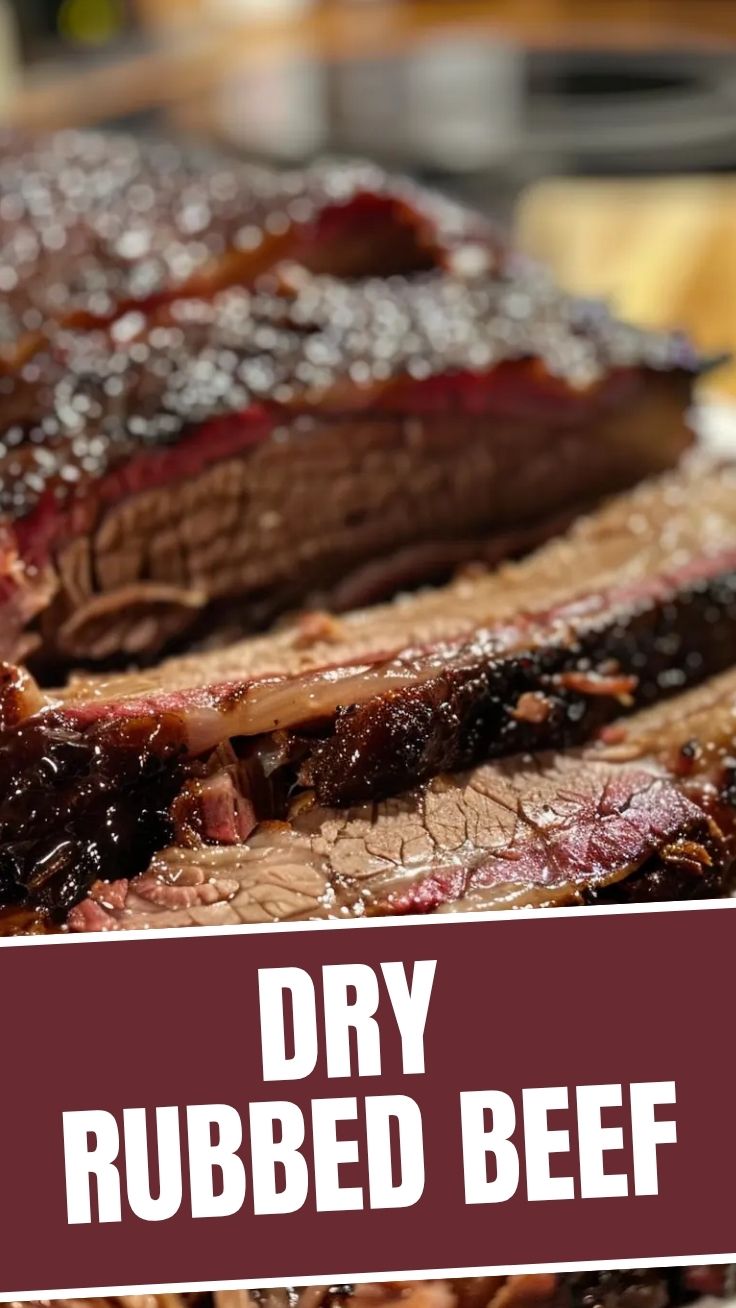
Patience is a virtue when it comes to exquisite barbecue. Planning is key.
- Prep Time: 45 minutes (for trimming and seasoning)
- Cooking Time: 10-18 hours (approximately 60-90 minutes per pound, highly dependent on brisket size and smoker temperature consistency)
- Resting Time: 2-4 hours
Planning Context: Start your brisket smoking session early in the morning, or even the night before, especially for larger cuts. The long cook time means aiming for an evening meal typically requires a very early morning start. The extended rest is non-negotiable for tender, juicy results.
Step-by-Step Instructions
Embark on your journey to a legendary BBQ Brisket (Texas Style) with these detailed steps, ensuring every nuance contributes to a succulent and flavorful experience.
1. Trim the Brisket (Morning/Night Before Cook): Chill the brisket for 30-60 minutes to firm up the fat. Using a sharp boning knife, remove hard, silver skin and excess fat. Aim for a 1/4-inch fat cap on the flat side to protect it during the long cook. Shape the brisket as aerodynamically as possible for even airflow.
2. Apply the Binder & Rub: Pat the trimmed brisket dry with paper towels. Lightly coat the entire surface with yellow mustard. In a bowl, combine coarse black pepper, kosher salt, garlic powder, onion powder, and smoked paprika. Generously apply the rub to all sides, pressing it gently to adhere. Let it sit at room temperature for an hour, or refrigerate uncovered overnight.
3. Preheat Your Smoker: Set your smoker to a consistent temperature between 225°F and 275°F (250°F is a common sweet spot). Use wood chunks or pellets like post oak, hickory, or mesquite for authentic Texas flavor.
4. Smoke the Brisket (The Unwrapped Phase): Place the brisket fat-side up (or towards the primary heat source) in your smoker. Maintain a steady temperature. After 3-4 hours, begin spritzing the brisket every 30-60 minutes with your apple cider vinegar and water mixture to keep it moist and promote a good bark.
5. The Stall & The Texas Crutch (Wrap Phase): The brisket will hit a “stall” where its internal temperature plateaus, typically around 150-170°F. This is due to evaporative cooling. Once the bark is set (usually after 6-8 hours and rich, dark color forms), wrap the smoked brisket tightly in butcher paper or heavy-duty aluminum foil. This helps push through the stall and retain moisture.
6. Finish Cooking: Return the wrapped brisket to the smoker. Continue cooking until the internal temperature reaches 200-205°F in the thickest part of the flat, and it feels “probe tender” – the thermometer should slide in with very little resistance, like butter.
7. Resting is Crucial: This is arguably the most important step. Once probe tender, remove the brisket from the smoker and, still wrapped, place it in an empty cooler or oven (turned off) for 2-4 hours. This allows the muscle fibers to relax and reabsorb juices, resulting in unparalleled tenderness.
8. Slice Against the Grain: Unapologetically unwrap the brisket. Separate the flat from the point (they are typically connected by a layer of fat). Slice the flat against the grain into pencil-thin slices. For the point, you can cube it for “burnt ends” or slice it as well, paying close attention to its grain which often runs differently from the flat.
Nutritional Benefits & Advantages
Brisket, while known for its richness, offers surprising nutritional benefits. It’s an excellent source of protein, essential for muscle repair and growth. It also provides significant amounts of iron, vital for oxygen transport, and B vitamins, which play a crucial role in energy metabolism. Slow smoking renders some of the fat, and judicious trimming can further reduce caloric density while still retaining the desired juiciness. Choosing leaner cuts and pairing with balanced sides like coleslaw or green beans contributes to a wholesome meal.
Tips, Variations & Cooking Advice
- Wood Choice: Experiment with different wood types. Post oak is classic Texas, but hickory, pecan, or even fruit woods like apple can add unique nuances.
- Rub Variations: Beyond the basic salt and pepper, you can add a touch of brown sugar for sweetness, chili powder for a kick, or even coffee grounds for a deeper bark.
- Mop Sauce: Instead of a spritz, some pitmasters use a mop sauce (often broth-based with vinegar and spices) to add moisture and flavor during the cook.
- Oven Finish: If your smoker runs out of fuel or you need to finish indoors after the wrapped phase, the wrapped brisket can be transferred to an oven preheated to 275°F until probe tender. The smoke flavor will already be locked in.
- Burnt Ends: The fattier point of the brisket is ideal for making burnt ends. After separating, cube the point, toss with some rub and barbecue sauce, and return to the smoker or oven until caramelized and tender.
Common Mistakes to Avoid
- Undercooking/Overcooking: Rely solely on internal temperature and probe tenderness, not just time. An undercooked brisket is tough; an overcooked one is dry and crumbly.
- Slicing with the Grain: This will result in stringy, chewy brisket. Always identify the grain and slice against it.
- Skipping the Rest: Impatience here will ruin hours of hard work. The rest allows juices to redistribute.
- Leaving too much/too little Fat: A 1/4-inch fat cap is ideal. Too much fat won’t render; too little can lead to a dry flat.
- Fluctuating Smoker Temperatures: Consistency is key. Wild temperature swings can lead to dry spots or uneven cooking.
Storage & Meal Prep Tips
Leftover brisket is a treasure!
- Refrigeration: Store sliced or unsliced brisket in an airtight container in the refrigerator for up to 3-4 days. For best results, keep it in as large a piece as possible until ready to serve.
- Freezing: Wrap individual portions tightly in plastic wrap, then again in aluminum foil, and place in a freezer-safe bag or container. It can be frozen for up to 2-3 months.
- Reheating: For best results, gently reheat in a preheated oven at 250-275°F. Place the brisket (perhaps with a splash of beef broth or water) in an oven-safe dish, cover tightly with foil, and heat until warmed through. Alternatively, use a sous vide bath for incredibly tender reheating. Avoid microwaving, which can dry it out.
- Meal Prep Uses: Leftover brisket is fantastic in tacos, sandwiches, chili, hash, or even as a pizza topping.
Conclusion
Mastering a BBQ Brisket (Texas Style) is a journey that requires patience, attention to detail, and a passion for flavor. By meticulously following these steps, understanding the nuances of temperature control, and honoring the resting time, you will consistently produce an incredibly juicy, tender, and intensely smoky smoked brisket. This isn’t just a meal; it’s an experience, a tradition, and a testament to the magic of low-and-slow cooking. Don’t be intimidated—embrace the process, savor the aromas, and relish the triumphant moment you present your perfectly cooked brisket. I encourage you to try this recipe and share your culinary adventure in the comments below! What are your go-to sides for brisket?
FAQs
Q1: What’s the best wood for Texas-style brisket?
A1: Post oak is the traditional choice for its clean, mild smoke flavor that complements beef without overpowering it. Hickory or pecan are also excellent alternatives.
Q2: My brisket hit “the stall” and won’t go up in temperature. What should I do?
A2: This is completely normal! It’s due to evaporative cooling. This is the ideal time to wrap your brisket in butcher paper or foil (the “Texas Crutch”) to push through the stall and retain moisture.
Q3: How do I know when my brisket is done, besides temperature?
A3: Probe tenderness is key. The meat thermometer should slide into the thickest part of the flat with very little resistance, like warm butter. If it feels tight or bouncy, it needs more time.
Q4: Can I make this in an oven if I don’t have a smoker?
A4: You can achieve a tender result in an oven, but you won’t get the authentic smoke flavor. To mimic it, use liquid smoke sparingly in your rub or binder, and consider an oven bag for moisture retention.