Wholesome Warmth in a Bowl: Crafting the Perfect Clam Chowder at Home
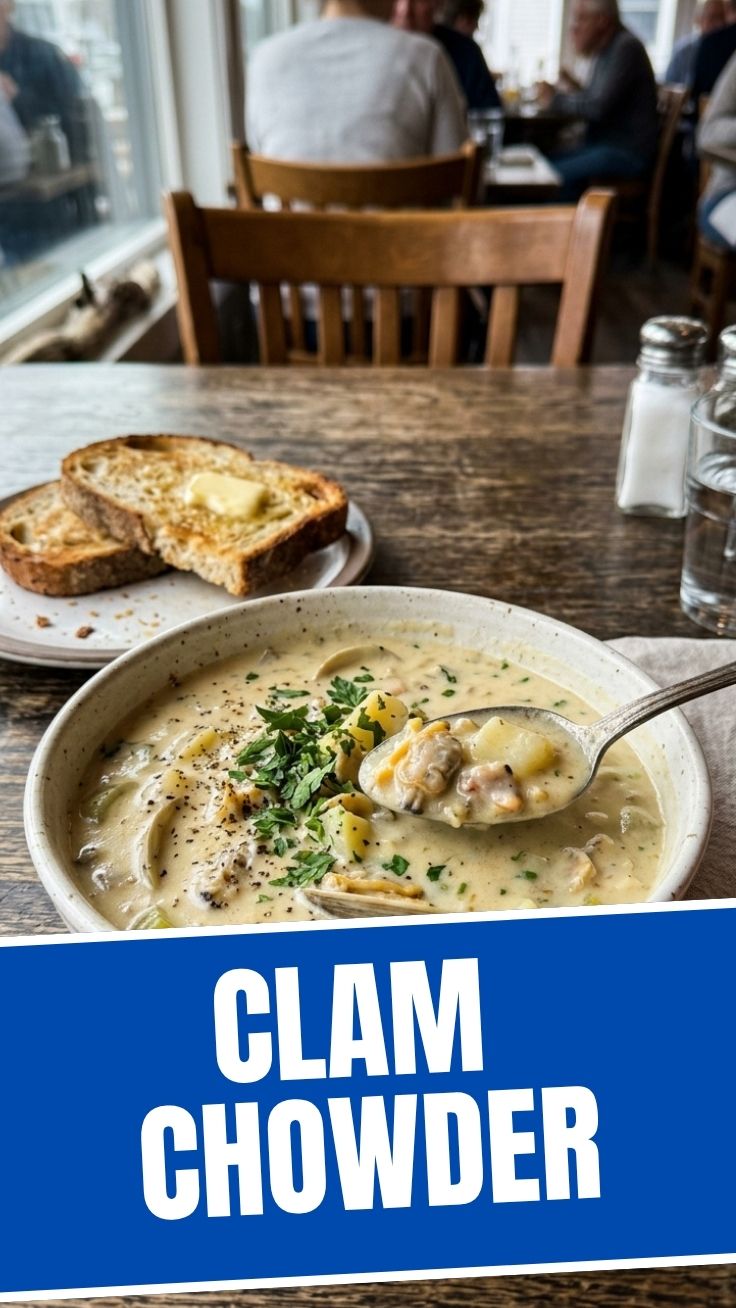
What’s cozier than a creamy, steaming bowl of homemade Clam Chowder on a chilly evening? Forget the canned versions; mastering the art of this classic New England staple in your own kitchen is not only incredibly rewarding but also guarantees a depth of flavor and freshness that store-bought simply can’t match. Today, we’re diving deep into creating a truly exceptional New England Clam Chowder. This guide will walk you through every step, ensuring your culinary journey results in a rich, velvety, and utterly delicious chowder that will impress even the most discerning palates. Preparing this comfort food at home allows you to control the quality of ingredients, personalize flavors, and enjoy a truly authentic taste experience.
Ingredients & Kitchen Tools
Gathering your mise en place before you begin is key to a smooth cooking experience.
Ingredients:
- 3 strips thick-cut bacon (preferably uncured, for a smoky base)
- 1 large yellow onion, diced (provides aromatic depth)
- 2 stalks celery, diced (adds a subtle, fresh crunch)
- 2 large russet potatoes, peeled and 1/2-inch diced (starch thickens the chowder beautifully)
- 3 cups clam juice (enhances the briny clam flavor, essential for genuine chowder)
- 2 (6.5-ounce) cans chopped clams, drained, reserving liquor (the star of our show, choose quality clams)
- 2 cups whole milk (for richness and creaminess)
- 1 cup heavy cream (contributes to that luxurious, velvety texture)
- 1/4 cup unsalted butter (for sautéing and richness)
- 1/4 cup all-purpose flour (creates a roux for thickening)
- 1 teaspoon fresh thyme leaves, chopped (adds an earthy, aromatic note)
- Salt and freshly ground black pepper to taste (seasoning to perfection)
- Fresh parsley, chopped (for garnish) (adds color and a fresh finish)
- Oyster crackers (for serving) (the classic accompaniment)
Kitchen Tools:
- Large Dutch oven or heavy-bottomed pot (for even heat distribution)
- Sharp knife and cutting board (for efficient dicing)
- Wooden spoon or silicone spatula (for stirring without scratching)
- Whisk (for smooth roux and preventing lumps)
- Measuring cups and spoons (for accurate ingredient portions)
- Colander (for draining clams)
Prep Time & Cooking Schedule
- Prep time: 20 minutes (includes dicing vegetables and draining clams)
- Cook time: 40 minutes (allowing flavors to meld and potatoes to soften)
- Resting time: 5 minutes (allowing the chowder to settle and thicken slightly before serving, enhancing creaminess)
This timeline ensures that you can have a comforting bowl of homemade chowder ready in just over an hour. Plan to start dicing your vegetables while the bacon cooks to optimize your time in the kitchen.
Step-by-Step Instructions
Follow these detailed steps to achieve a restaurant-quality Clam Chowder.
1. Crisp the Bacon: In your large Dutch oven or pot, cook the bacon over medium heat until crispy. Remove the bacon with a slotted spoon, reserving the rendered fat in the pot. Crumble the bacon and set aside for garnish.
2. Sauté Aromatics: Add the diced onion and celery to the reserved bacon fat. Cook over medium heat, stirring occasionally, until softened and translucent, about 5-7 minutes. Do not brown.
3. Build the Roux: Push the softened vegetables to one side of the pot. Add the butter to the empty side and let it melt. Sprinkle in the flour and whisk continuously for 1-2 minutes to create a smooth roux. This will be the foundational thickener for your New England Clam Chowder.
4. Deglaze and Simmer: Slowly whisk in the clam juice and reserved clam liquor (from the cans) into the roux, ensuring no lumps form. Stir in the diced potatoes and fresh thyme. Bring the mixture to a gentle simmer, then reduce heat to low, cover, and cook for 15-20 minutes, or until the potatoes are fork-tender. Stir occasionally to prevent sticking.
5. Add Dairy and Clams: Once the potatoes are tender, stir in the whole milk and heavy cream. Heat gently, stirring frequently, until the chowder is hot and slightly thickened. Do not bring to a rolling boil after adding the dairy, as it can curdle. Finally, stir in the drained chopped clams and heat through for just 2-3 minutes; overcooking clams can make them rubbery.
6. Season and Serve: Taste the chowder and season generously with salt and freshly ground black pepper. Remember that clam juice can be salty, so add salt gradually. Ladle the hot chowder into bowls, garnish with crumbled bacon and fresh parsley, and serve immediately with oyster crackers.
Nutritional Benefits & Advantages
This hearty Clam Chowder is more than just comfort food; it offers notable nutritional advantages. Clams are an excellent source of lean protein, iron, and vitamin B12, crucial for energy production and red blood cell formation. Potatoes provide complex carbohydrates for sustained energy and vitamin C. While rich, the dairy contributes calcium for bone health. Opting for homemade means you avoid excessive sodium, artificial flavors, and preservatives often found in commercial versions, allowing for a healthier and more wholesome meal.
Tips, Variations & Cooking Advice
- Thickening control: If your chowder isn’t as thick as you’d like, you can make a slurry of 1 tablespoon cornstarch mixed with 2 tablespoons cold water and whisk it into the simmering chowder until desired consistency is reached.
- Gluten-Free Option: Substitute all-purpose flour with a gluten-free all-purpose blend or cornstarch for the roux.
- Dairy-Free Adaptation: Use full-fat coconut milk or a plant-based cream alternative (like cashew cream) for a dairy-free version, although the flavor profile will significantly change.
- Smoky Twist: For an extra layer of smoky flavor, consider adding a pinch of smoked paprika along with the flour.
- Herb Variations: While thyme is classic, a touch of bay leaf during simmering or fresh chives as a garnish can also elevate the flavor. Remove the bay leaf before serving.
Common Mistakes to Avoid
- Overcooking the Clams: This is the most common mistake. Clams become tough and chewy when cooked for too long. Add them only at the very end and heat through briefly.
- Boiling Dairy: Bringing the milk and cream to a rapid boil can cause them to curdle, resulting in a grainy texture. Always simmer gently.
- Skimping on Seasoning: Chowder needs proper seasoning. Taste as you go, and don’t be afraid to adjust salt and pepper.
- Not developing the Roux: A properly cooked roux is essential for thickening and adding a subtle nutty flavor. Ensure it’s cooked for a minute or two.
- Using all the Clam Liquor: While some clam liquor is good, using too much can make the chowder overly salty. Balance it with clam juice and fresh water if needed.
Storage & Meal Prep Tips
Leftover Clam Chowder stores beautifully. Allow it to cool completely before transferring to an airtight container. It will keep in the refrigerator for up to 3-4 days.
Reheating: Gently reheat on the stovetop over low heat, stirring frequently, to prevent scorching and ensure even heating. If it’s too thick, you can add a splash of milk or clam juice to reach your desired consistency. Avoid boiling. While it can be frozen for up to 2-3 months, be aware that the potatoes and dairy may change texture slightly upon thawing, becoming a bit mealy. For best results, freeze without potatoes if you anticipate long-term storage and add freshly cooked potatoes upon reheating.
Conclusion
There’s truly nothing quite like a homemade bowl of rich, creamy Clam Chowder. By following this comprehensive guide, you’ve discovered how to transform simple ingredients into a comforting masterpiece. Making your own New England Clam Chowder is not just about cooking; it’s about creating warmth, flavor, and cherished memories. We encourage you to try this recipe, savor the rich flavors, and share your delicious results with family and friends. Don’t forget to explore our other soup recipes for more culinary inspiration!
FAQs
Q1: Can I use fresh clams instead of canned?
A1: Absolutely! Fresh clams will provide an even richer, more authentic flavor. You’ll need to steam them open first, reserving the delicious clam broth for the chowder. Use about 2-3 pounds of fresh littleneck or cherrystone clams.
Q2: My chowder is too thin. How can I thicken it?
A2: If your chowder is too thin after simmering, you can create a cornstarch slurry (1 tbsp cornstarch mixed with 2 tbsp cold water) and slowly whisk it into the hot chowder. Simmer for a few minutes until it thickens. Alternatively, you can mash a portion of the cooked potatoes against the side of the pot to release more starch.
Q3: Can I make this ahead of time?
A3: Yes, chowder often tastes even better the next day as the flavors have more time to meld. Follow the storage and reheating tips mentioned above for best results.
Q4: What if I don’t have clam juice?
A4: While clam juice is ideal, you can substitute with fish stock or even vegetable broth, though the clam flavor won’t be as prominent. You may want to add an extra can of chopped clams in this case.
Q5: How can I make this chowder less rich or lighter?
A5: To lighten the chowder, you can reduce the amount of heavy cream and use more whole milk, or even a blend of whole milk and half-and-half. You could also reduce the bacon or skip it entirely, using olive oil to sauté the vegetables instead.