Grill Master’s Secret: Crafting the Perfect Cheeseburger That Rivals Any Restaurant
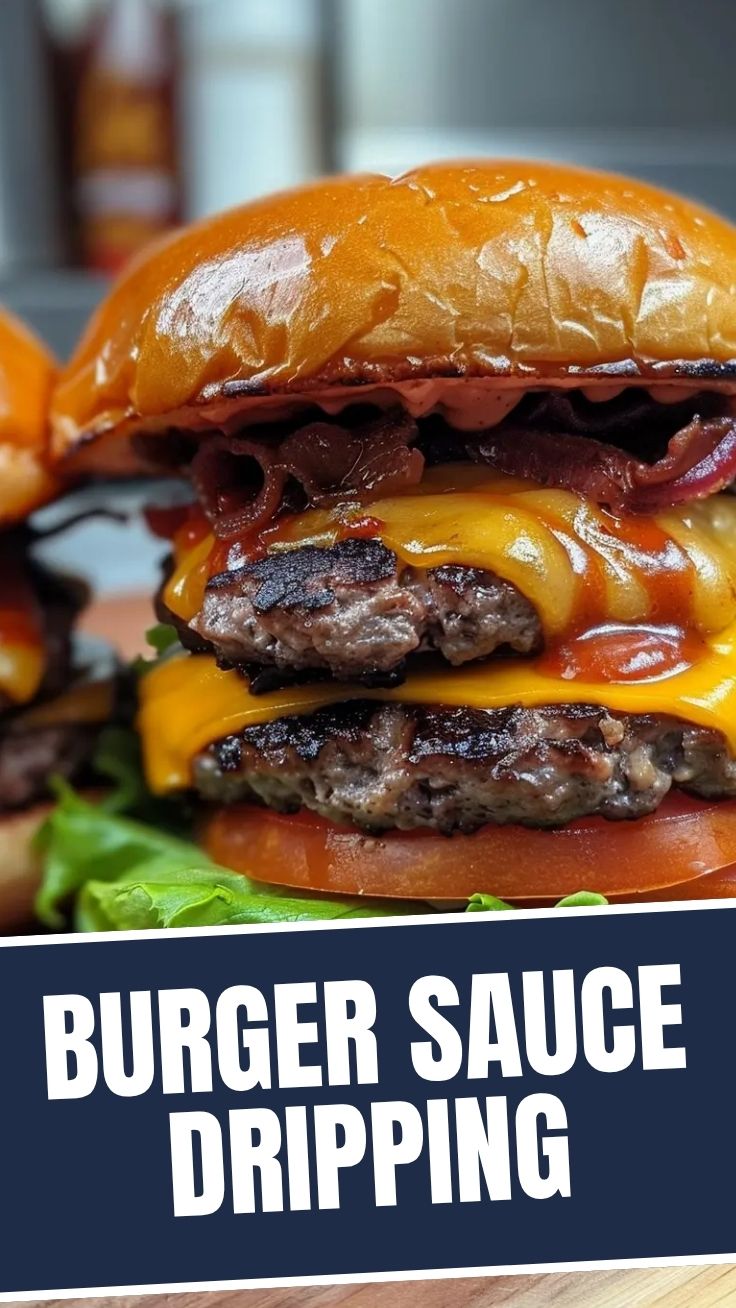
Ever dreamt of biting into a juicy, perfectly seared Cheeseburger, bursting with flavor, right in your own backyard? Forget those dry, overcooked patties and soggy buns. Today, we’re unlocking the secrets to constructing an exceptional Cheeseburger – one that will make you question why you ever paid for one at a diner. This isn’t just about grilling meat; it’s about a culinary experience, transforming simple ground beef into a symphony of textures and tastes. And for those who appreciate the versatility of a well-made Hamburger, this foundational recipe can easily be adapted. Preparing this at home not only guarantees freshness and quality but also allows for complete customization, catering to your exact preferences. Get ready to elevate your grilling game and impress everyone with your homemade mastery of the humble patty.
Ingredients & Kitchen Tools
- Ground Beef (80/20 Chuck): 1.5 lbs (yields 4-6 patties). The 80/20 ratio provides the perfect balance of leanness and fat for a juicy, flavorful Cheeseburger.
- Cheese Slices: 4-6 slices (American, Cheddar, Pepper Jack – your preference!). Essential for the “cheese” in Cheeseburger.
- Brioche Buns: 4-6 buns. Soft, slightly sweet, and holds up well to juicy patties.
- Salt & Freshly Ground Black Pepper: To taste. The primary seasonings to enhance the beef’s natural flavor.
- Optional Seasonings: Garlic powder, onion powder (a pinch of each elevates the flavor profile without overpowering).
- Toppings (e.g., Lettuce, Tomato, Onion, Pickles): As desired. Fresh, crisp toppings add texture and freshness.
- Condiments (e.g., Ketchup, Mustard, Mayonnaise): As desired. Personalize your burger experience.
- Cast Iron Skillet or Griddle: For even heat distribution and a perfect sear.
- Spatula: Sturdy, preferably metal, for flipping and smashing.
- Mixing Bowl: For gently combining ground beef and seasonings.
- Parchment Paper: To separate formed patties and prevent sticking.
Prep Time & Cooking Schedule
- Prep Time: 15 minutes (active working time for forming patties and preparing toppings).
- Cook Time: 8-12 minutes (per batch, depending on desired doneness).
- Resting Time: 5 minutes (after cooking, allows juices to redistribute for a juicier burger).
Planning ahead is key to a smooth grilling experience. Have all your toppings chopped and condiments ready before you even touch the raw meat. This mise en place approach ensures you can assemble your perfect Cheeseburger swiftly once the patties are cooked, ensuring everything is served hot and fresh.
Step-by-Step Instructions
1. Prepare Patties: Gently mix the ground beef with salt, pepper, and any optional seasonings in a bowl. Avoid overworking the meat, as this can lead to tough burgers. Divide the mixture into 4-6 equal portions. Form each portion into a loose ball, then flatten into a patty about 1/2 inch thick and slightly wider than your buns. Create a small dimple in the center of each patty with your thumb to prevent it from bulging during cooking. Place patties on parchment paper and set aside. This careful preparation is crucial for a perfectly cooked Cheeseburger.
2. Preheat Cooking Surface: Heat your cast iron skillet or griddle over medium-high heat until it’s very hot, but not smoking excessively. A hot surface is crucial for achieving that desirable crust.
3. Cook Patties: Place the patties on the hot surface. For a smash burger effect, press down on each patty with a strong spatula for about 30 seconds. Cook for 2-4 minutes per side for medium-rare to medium, adjusting for your preferred doneness. You’ll see a beautiful brown crust forming.
4. Add Cheese: During the last minute of cooking, place a slice of cheese on top of each patty. You can cover the skillet with a lid or cloche for 30 seconds to help the cheese melt perfectly. This creates that iconic, gooey topping for your Hamburger.
5. Toast Buns: While the cheese melts, quickly toast your brioche buns on the same hot surface, cut-side down, until lightly golden. This adds a lovely texture and prevents sogginess.
6. Rest & Assemble: Transfer the cooked patties to a plate and let them rest for 5 minutes. This allows the juices to redistribute throughout the patty. Assemble your Cheeseburger on the toasted buns with your favorite toppings and condiments.
Nutritional Benefits & Advantages
Crafting your own Cheeseburger offers significant nutritional advantages over fast-food alternatives. You control the quality of the beef, opting for grass-fed if desired, which can be richer in omega-3 fatty acids. By choosing leaner beef or adding vegetables, you can increase fiber intake. Furthermore, knowing exactly what goes into your burger allows you to manage sodium levels and avoid artificial additives often found in commercially prepared versions. Protein-rich ground beef provides essential amino acids for muscle repair and growth, while the cheese adds calcium and vitamin D.
Tips, Variations & Cooking Advice
- Flavor Variations: Experiment with different seasonings in the patty – smoked paprika, Worcestershire sauce, or a dash of hot sauce can add exciting dimensions.
- Ingredient Swaps: For a lighter option, try ground turkey or chicken. For a vegetarian twist, use a high-quality plant-based patty.
- Alternative Cooking Methods: While a cast iron skillet yields an excellent sear, a charcoal grill imparts a wonderful smoky flavor. Just ensure even heat distribution.
- Dietary Adaptations: Opt for gluten-free buns or a lettuce wrap for a gluten-free Cheeseburger. Use dairy-free cheese alternatives for a dairy-free version.
- Don’t Overcook: The key to a juicy burger is not to overcook it. Use an instant-read thermometer if unsure (135°F for medium-rare, 140°F for medium).
Common Mistakes to Avoid
- Overworking the Meat: This is the cardinal sin of burger making. It compacts the proteins, resulting in a tough, dry patty. Handle the ground beef as little as possible.
- Skipping the Dimple: Without a thumbprint in the center, your patties will puff up into a dome shape, making them difficult to top and creating an uneven cook.
- Flipping Too Much: Resist the urge to constantly flip your burger. Let it develop a good crust on one side before flipping just once.
- Cooking on a Cold Surface: A lukewarm pan won’t achieve the necessary sear, leading to a gray, steamed-looking burger rather than one with a beautiful, flavorful crust.
- Not Resting the Patties: Just like a steak, resting allows the juices to redistribute, leading to a much juicier Cheeseburger.
Storage & Meal Prep Tips
Cooked Cheeseburger patties can be stored in an airtight container in the refrigerator for 3-4 days. For meal prep, cook the patties, allow them to cool completely, then refrigerate. When reheating, avoid the microwave if possible, as it can make them rubbery. Reheat gently in a skillet over low heat or in the oven at 300°F (150°C) until warmed through. Freezing cooked or raw patties is also an option. Wrap each patty individually in plastic wrap, then place in a freezer-safe bag for up to 3 months. Thaw frozen patties in the refrigerator overnight before cooking or reheating.
Conclusion
Mastering the art of the perfect Cheeseburger at home is a rewarding culinary journey that promises juicy, flavorful results every time. By following these detailed steps, paying attention to ingredient quality, and avoiding common pitfalls, you can consistently create a burger that rivals any restaurant. Whether you’re craving a classic Cheeseburger or looking to experiment with a gourmet topping combination, the fundamental techniques for a great Hamburger remain the same. So, fire up that grill, gather your ingredients, and get ready to enjoy the ultimate homemade burger experience. Don’t forget to share your creations and culinary triumphs with us!
FAQs
Q1: Can I use leaner ground beef?
A1: While 80/20 chuck is ideal for juiciness, you can use 85/15 or even 90/10, but your burger might be less moist. Consider adding a tablespoon of finely grated onion or even a little butter to leaner mixes to retain moisture.
Q2: How do I prevent my burger from falling apart on the grill?
A2: Ensure your patties are firmly but gently formed. The key is gentle handling; don’t overwork the meat, but make sure it’s cohesive. A small dimple in the center also helps maintain shape.
Q3: What’s the best cheese for a Cheeseburger?
A3: American cheese melts beautifully and provides a classic flavor. However, sharp cheddar, provolone, Swiss, and Monterey Jack are also excellent choices depending on your preference for creaminess and tang.
Q4: How can I make my Cheeseburger more flavorful without adding too many calories?
A4: Focus on high-quality beef and robust seasonings like garlic powder, onion powder, and smoked paprika. Caramelized onions, sautéed mushrooms, or a flavorful sauce made with low-fat yogurt can also add depth without excessive calories.
Q5: My burgers are tough. What went wrong?
A5: The most common culprit for tough burgers is overworking the ground beef. Over-mixing compacts the proteins, making the patty dense and chewy. Handle the meat gently and minimally during seasoning and forming.