Crispy Perfection: Unveiling the Secrets to the Best Southern Fried Chicken
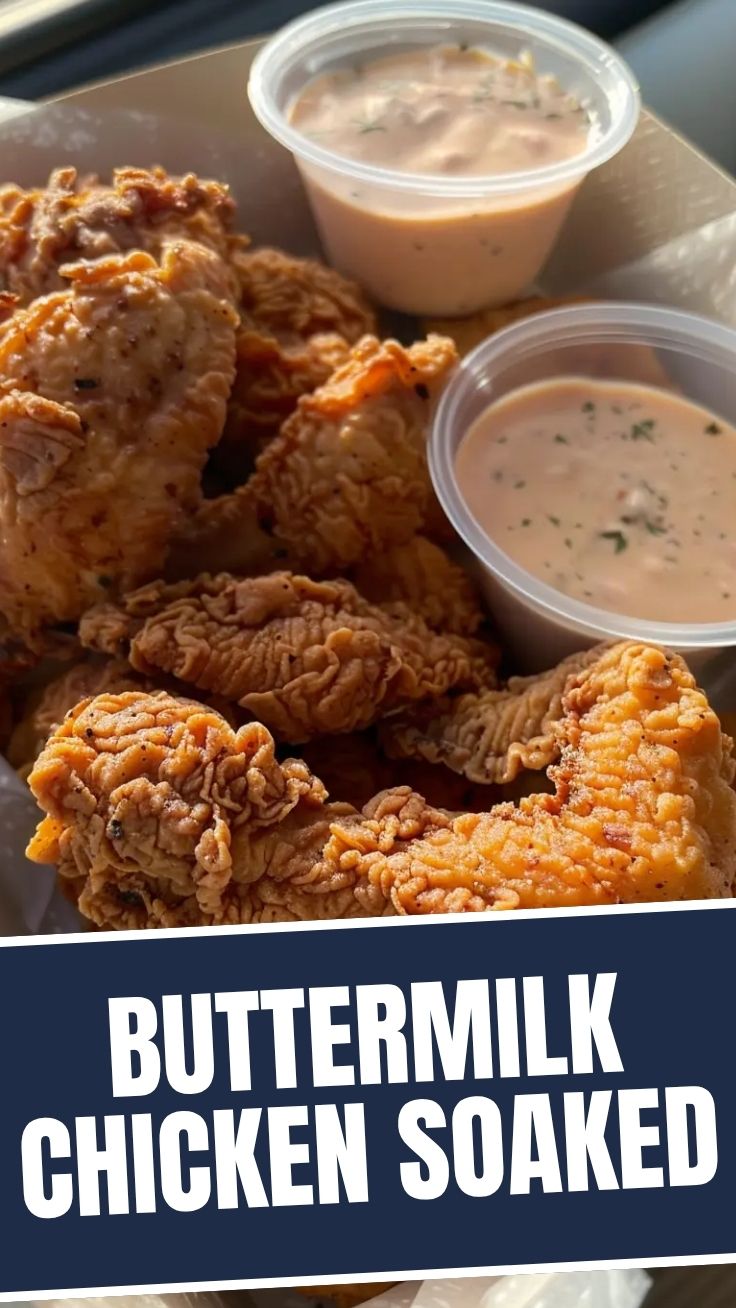
Ever wondered how to achieve that unbelievably crispy, juicy, and flavorful fried chicken you dream about? Forget soggy, bland results; creating a truly exceptional Buttermilk Fried Chicken at home is not only achievable but immensely rewarding. There’s a distinct satisfaction in transforming simple ingredients into a culinary masterpiece, one that will impress your family and friends. This comprehensive guide will walk you through every step, ensuring your homemade fried chicken surpasses even restaurant-quality versions. We’re about to demystify the art of achieving that golden-brown crust and tender interior, revealing the secrets that elevate this classic dish from good to unforgettable. Prepare to embark on a delicious journey that culminates in the perfect plate of Southern fried chicken.
Ingredients & Kitchen Tools
Here’s everything you’ll need to create this culinary delight, along with some helpful notes:
- Whole Chicken (cut into 8-10 pieces): Opt for fresh, high-quality chicken for the best flavor and texture.
- 2 cups Buttermilk: Essential for tenderizing the chicken and creating a tangy flavor.
- 2 cups All-Purpose Flour: The base for our crispy coating.
- 1/4 cup Cornstarch: Adds extra crispiness to the breading.
- 2 tbsp Smoked Paprika: Provides a subtle smoky flavor and beautiful color.
- 1 tbsp Garlic Powder: Aromatic and savory, enhances overall flavor.
- 1 tbsp Onion Powder: Adds depth of flavor.
- 1 tbsp Dried Thyme: Classic herb often found in fried chicken recipes.
- 2 tsp Cayenne Pepper (optional): For a touch of heat, adjust to your preference.
- 1 tsp Black Pepper: Essential seasoning.
- 2 tsp Salt: Crucial for seasoning the chicken from within.
- 1 tbsp Baking Powder: Contributes to an airy, crispy crust.
- Peanut Oil or Vegetable Oil (for frying): High smoke point oil is necessary for deep frying.
- Large Mixing Bowls (2): For brining and flour dredging.
- Whisk: To combine dry ingredients.
- Tongs: For safely handling chicken in hot oil.
- Cast Iron Skillet or Heavy-Bottomed Pot: Essential for even heat distribution during frying.
- Wire Rack with Baking Sheet: For draining excess oil and maintaining crispiness.
- Meat Thermometer: To ensure chicken is cooked through to a safe internal temperature (165°F/74°C).
- Paper Towels: For patting chicken dry and draining.
Prep Time & Cooking Schedule
- Prep Time: 20 minutes (plus minimum 4 hours, ideally overnight, for marinating)
- Cook Time: 25-30 minutes (per batch)
- Resting Time: 5-10 minutes (after frying)
The marinating time is crucial for both flavor and tenderness, so plan ahead! An overnight soak in buttermilk yields the best results, ensuring the chicken is infused with flavor and incredibly juicy.
Step-by-Step Instructions
1. Prepare the Marinade: In a large bowl, combine the buttermilk, 1 teaspoon of salt, ½ teaspoon of black pepper, and ½ teaspoon of garlic powder.
2. Marinate the Chicken: Add the cut chicken pieces to the buttermilk mixture, ensuring all pieces are fully submerged. Cover the bowl and refrigerate for at least 4 hours, or ideally overnight. This buttermilk soak is key to achieving tender, flavorful meat and is fundamental for fantastic Buttermilk Fried Chicken.
3. Prepare the Dredging Mixture: In a separate large bowl, whisk together the all-purpose flour, cornstarch, smoked paprika, remaining salt, black pepper, garlic powder, onion powder, dried thyme, cayenne pepper (if using), and baking powder.
4. Dredge the Chicken: Remove the chicken from the buttermilk, allowing excess marinade to drip off. Do not rinse. One by one, dredge each piece of chicken in the flour mixture, ensuring it’s completely coated. Press the flour into the chicken firmly to create a thick crust. Place the dredged chicken on a wire rack to allow the coating to set for at least 15 minutes. This step helps the breading adhere better and promotes crispiness, a hallmark of truly authentic Southern fried chicken.
5. Heat the Oil: Pour enough peanut or vegetable oil into a heavy-bottomed pot or cast iron skillet to reach about 2-3 inches deep. Heat the oil over medium-high heat until it reaches 350°F (175°C). Use a thermometer to monitor the temperature; maintaining a consistent oil temperature is critical.
6. Fry the Chicken: Carefully place 2-3 pieces of chicken into the hot oil, being careful not to overcrowd the pot. Overcrowding will lower the oil temperature and result in greasy, less crispy chicken. Fry the chicken for about 6-8 minutes per side, turning occasionally, until it’s golden brown and cooked through. The internal temperature should reach 165°F (74°C).
7. Drain and Rest: Once cooked, remove the chicken from the oil using tongs and place it on a wire rack lined with paper towels to drain excess oil. Allow the chicken to rest for 5-10 minutes before serving.
Nutritional Benefits & Advantages
While often seen as comfort food, homemade fried chicken, when prepared with quality ingredients, offers more than just indulgence. Chicken is an excellent source of lean protein, essential for muscle repair and growth. The buttermilk marinade not only tenderizes but also adds probiotics, which are beneficial for gut health. By making it at home, you control the quality of ingredients and the type of oil used, a significant advantage over many fast-food options. Plus, the spices used offer various antioxidants and anti-inflammatory properties.
Tips, Variations & Cooking Advice
Double Dredging: For an extra-crispy, craggy crust, dip the chicken back into the buttermilk after* the first flour dredge, and then dredge it a second time in the flour mixture.
- Spice Level: Adjust the cayenne pepper to your desired heat level. For a milder version, omit it entirely.
- Herb Variations: Experiment with different herbs like sage or rosemary in your flour mixture for unique flavor profiles.
- Air Fryer Method: For a lighter option, follow the brining and dredging steps, then air fry at 375°F (190°C) for 20-25 minutes, flipping halfway, until golden and crispy.
- Gluten-Free: Substitute the all-purpose flour with a gluten-free all-purpose flour blend for a gluten-friendly version.
Common Mistakes to Avoid
- Overcrowding the Pot: This lowers oil temperature, leading to soggy, greasy chicken. Fry in batches.
- Incorrect Oil Temperature: Too low, and the chicken absorbs too much oil. Too high, and the outside burns before the inside cooks. Use a thermometer.
- Skipping the Rest Time: Allowing the chicken to rest after frying helps the juices redistribute, resulting in more tender and flavorful meat.
- Not Marinating Long Enough: The buttermilk needs time to work its magic. Don’t rush this step.
Storage & Meal Prep Tips
Leftover fried chicken can be stored in an airtight container in the refrigerator for up to 3-4 days. To reheat and restore crispiness, place the chicken on a wire rack over a baking sheet and bake in a preheated oven at 375°F (190°C) for 15-20 minutes, or until heated through and crisp. Freezing is possible for longer storage; wrap individual pieces tightly in plastic wrap and then foil, then place in a freezer-safe bag for up to 2-3 months. Reheat from frozen in the oven as described above, adding extra baking time.
Conclusion
Mastering the art of homemade Buttermilk Fried Chicken is a truly rewarding culinary endeavor. By following these detailed steps, you’re not just cooking; you’re creating a memorable experience, a testament to the power of fresh ingredients and a little patience. From the tenderizing buttermilk brine to the perfectly seasoned, crispy crust, every bite will remind you of the rich tradition of Southern fried chicken. Don’t be shy—give this recipe a try and share your delicious results! What’s your favorite secret ingredient for optimal crispiness?
FAQs
Q1: Can I use chicken breasts instead of bone-in pieces?
A1: Yes, you can. Boneless chicken breasts will cook faster, so adjust frying times accordingly (usually 8-12 minutes total). Ensure they reach an internal temperature of 165°F (74°C).
Q2: What if I don’t have buttermilk?
A2: You can make a homemade buttermilk substitute by adding 1 tablespoon of lemon juice or white vinegar to a measuring cup, then filling it with regular milk to the 1-cup mark. Let it sit for 5-10 minutes until it slightly curdles.
Q3: How do I know the oil is at the right temperature without a thermometer?
A3: If you don’t have a thermometer, you can test the oil by dropping a pinch of flour into it. If it sizzles gently and immediately, the oil is ready. If it bubbles vigorously, it’s too hot; if it sinks without sizzling, it’s not hot enough.
Q4: My fried chicken isn’t as crispy as I’d like. What went wrong?
A4: Common reasons for non-crispy chicken include overcrowding the pot, oil that’s not hot enough, not letting the dredged chicken rest, or an insufficient amount of cornstarch or baking powder in the coating.
Q5: Can I prepare the chicken ahead of time for meal prep?
A5: You can marinate the chicken in buttermilk for up to 24 hours. You can also dredge the chicken and place it on a wire rack in the refrigerator for a few hours before frying, which can help the coating adhere better.