Master the Art of Butter Chicken at Home: Your Ultimate Guide!
Ever wondered if you could recreate that rich, creamy, and irresistibly flavorful restaurant-style Butter Chicken in your own kitchen? The answer is a resounding yes, and the journey is far more rewarding than you might imagine. This comprehensive guide will not only demystify the process but also empower you to craft a dish that rivals the finest Indian eateries. Beyond the sheer satisfaction of a home-cooked meal, preparing authentic Indian cuisine like this classic offers unparalleled control over ingredients, allowing you to tailor spices and richness to your exact preference. Forget mediocre takeout; embrace the aromatic adventure of making this iconic dish.
Ingredients & Kitchen Tools
- Boneless, Skinless Chicken Thighs (2 lbs): Chosen for their tenderness and ability to absorb flavors, unlike breast which can dry out. Cut into 1-inch pieces.
- Plain Full-Fat Yogurt (½ cup): Essential for marinating, tenderizing the chicken, and adding a subtle tang. Greek yogurt can be used for a thicker marinade.
- Ginger-Garlic Paste (2 tbsp): The aromatic backbone of many Indian dishes. Equal parts fresh ginger and garlic, finely ground.
- Turmeric Powder (1 tsp): For color and earthy notes.
- Red Chili Powder (1-2 tsp, to taste): Adjust for desired heat. Kashmiri chili powder is preferred for a vibrant red color without excessive spice.
- Garam Masala (1 tbsp): A fragrant blend of ground spices, added later for a warm, complex finish.
- Cumin Powder (1 tsp): Adds depth and a distinctive savory aroma.
- Coriander Powder (1 tbsp): Sweet, earthy, and citrusy notes.
- Salt (to taste): Always adjust during cooking.
- Unsalted Butter (¼ cup, divided): The star of the show. Provides richness and an undeniable depth of flavor.
- Onion (1 large): Finely chopped for the base of the sauce, forms a silky texture when cooked down.
- Canned Crushed Tomatoes (14.5 oz can): Provides body and a sweet, acidic balance to the sauce.
- Cashews (¼ cup, raw, unsalted): Soaked for 30 minutes, then blended into a paste. Creates an incredibly creamy and rich texture without cream.
- Heavy Cream (½ cup): For that signature velvety finish and luxurious mouthfeel.
- Fenugreek Leaves (Kasoori Methi) (1 tsp, dried): A secret ingredient for authentic flavor, crushed between your palms before adding.
- Cilantro (fresh, chopped, for garnish): Adds a fresh, bright finish.
- —
- Large Skillet/Dutch Oven: For searing the chicken and simmering the sauce.
- Blender/Immersion Blender: To achieve a smooth, restaurant-quality sauce.
- Measuring Spoons and Cups: For precise ingredient portions.
Prep Time & Cooking Schedule
- Prep Time: 20 minutes (includes chopping and measuring)
- Marinating Time: 30 minutes to 4 hours (longer is better for flavor infusion, but 30 minutes works in a pinch)
- Cook Time: 45-50 minutes
- Total Time: Approximately 1 hour 35 minutes (with minimum marination)
To plan your cooking, consider marinating the chicken in the morning or the night before. This allows the flavors to truly penetrate the meat, resulting in a more tender and aromatic dish. The sauce can be made relatively quickly, and the entire dish comes together efficiently once the chicken is marinated.
Step-by-Step Instructions
1. Marinate the Chicken: In a large bowl, combine the chicken pieces with yogurt, ginger-garlic paste, turmeric, red chili powder, cumin powder, coriander powder, and salt. Mix well to ensure every piece is coated. Cover and refrigerate for at least 30 minutes, or up to 4 hours. This tenderizes the chicken and infuses it with initial layers of flavor, setting the stage for a truly authentic Butter Chicken. A good marinade is key for an exceptional dish.
2. Sear the Chicken: Heat 2 tablespoons of butter in a large skillet or Dutch oven over medium-high heat. Once melted, add the marinated chicken in batches, being careful not to overcrowd the pan. Sear for 3-4 minutes per side, until lightly browned. It doesn’t need to be fully cooked through, as it will finish cooking in the sauce. Remove the chicken and set aside.
3. Build the Sauce Base: In the same pan, melt the remaining 2 tablespoons of butter over medium heat. Add the chopped onion and sauté for 8-10 minutes, until softened and translucent, scraping up any browned bits from the bottom of the pan. This step is crucial for developing a rich flavor base, often overlooked but vital for both Butter Chicken and a robust Chicken Tikka Masala.
4. Add Tomatoes & Spices: Stir in the crushed tomatoes, Kashmiri chili powder (if using for color), and garam masala. Bring to a simmer, then reduce heat to low, cover, and cook for 10-15 minutes, allowing the flavors to meld and the tomatoes to break down.
5. Create Creamy Texture: While the sauce simmers, blend the soaked cashews with a little water (about ¼ cup) until completely smooth to form a thick paste. Alternatively, you can use cashew butter.
6. Combine & Simmer: Add the cashew paste and seared chicken back into the pan with the tomato sauce. Stir well to coat the chicken. Pour in the heavy cream and a teaspoon of crushed fenugreek leaves (kasoori methi). Simmer gently for another 10-15 minutes, or until the chicken is cooked through and the sauce has thickened to your desired consistency. Taste and adjust salt and spices as needed.
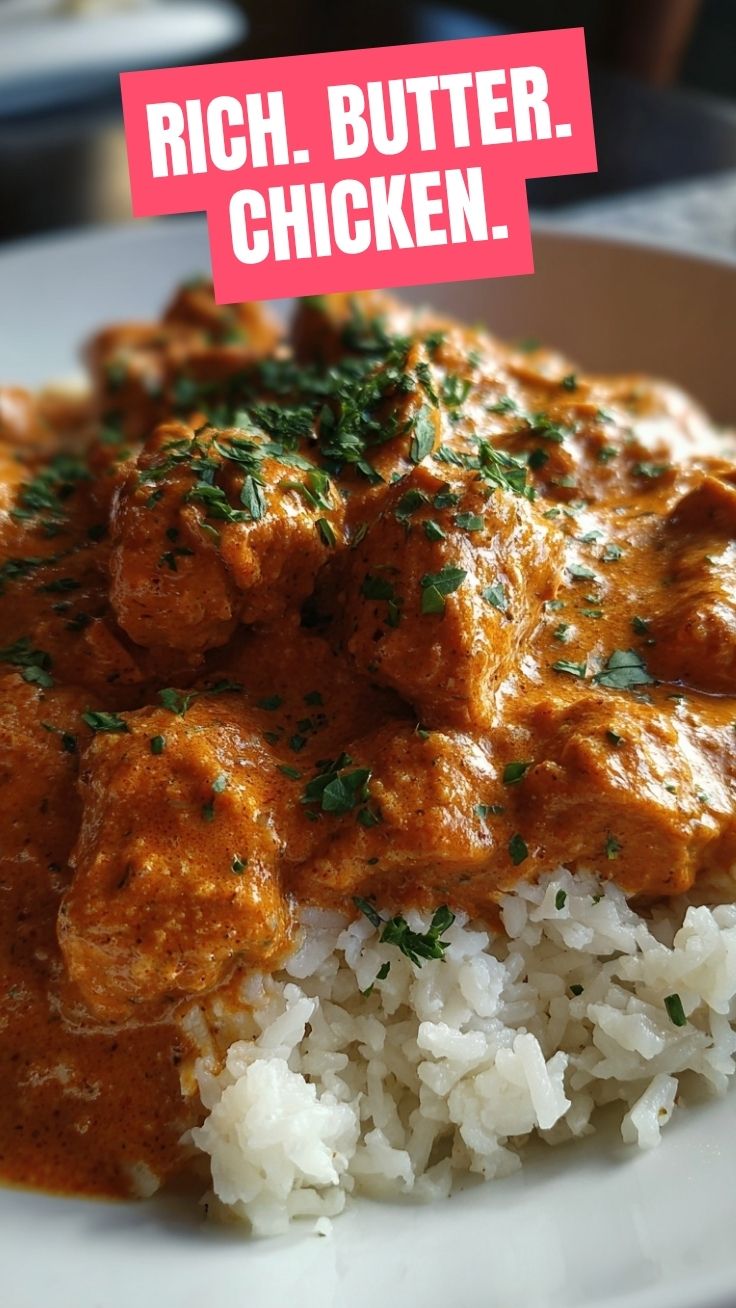
7. Serve & Garnish: Ladle the gloriously rich and creamy Butter Chicken into serving bowls. Garnish generously with fresh cilantro. Serve hot with basmati rice, naan bread, or roti.
Nutritional Benefits & Advantages
This homemade Butter Chicken, when prepared with fresh, quality ingredients, offers several nutritional advantages. Chicken thighs are a good source of lean protein, essential for muscle repair and growth. The healthy fats from butter and cashews contribute to satiety and provide energy. Tomatoes are rich in antioxidants, particularly lycopene. By making it at home, you control the amount of salt, sugar, and unhealthy fats often found in restaurant versions, making it a wholesome and delicious meal.
Tips, Variations & Cooking Advice
- Spice Level: For more heat, increase the red chili powder. For a milder version, reduce it.
- Dairy-Free: Substitute regular yogurt with a plain, unsweetened dairy-free alternative (like coconut or almond yogurt). Use a plant-based butter and full-fat coconut milk or cashew cream instead of heavy cream.
- Vegetarian Option: Swap chicken for paneer (Indian cheese) or firm tofu, cut into cubes and lightly pan-fried before adding to the sauce.
- Smoky Flavor: For a subtle smoky flavor, you can quick-smoke the cooked chicken using a piece of charcoal (known as “dhungar”).
- Consistency: If the sauce is too thick, thin it with a splash of warm water or chicken broth. If too thin, simmer uncovered for longer.
Common Mistakes to Avoid
- Overcrowding the Pan: When searing the chicken, avoid adding too much at once. This steams the chicken instead of browning it, leading to less flavor.
- Skipping Marination: While 30 minutes works, shorter marination times result in less tender and flavorful chicken.
- Not Cooking Onions Enough: Properly caramelized onions are crucial for the depth of flavor in the sauce. Don’t rush this step.
- Adding Raw Spices Directly: Always temper whole spices in oil or butter, or sauté ground spices with onions/tomatoes, to bloom their flavors.
Storage & Meal Prep Tips
Leftover Butter Chicken can be stored in an airtight container in the refrigerator for up to 3-4 days. It often tastes even better the next day as the flavors have more time to meld. For longer storage, freeze in individual portions for up to 3 months. Thaw overnight in the refrigerator before reheating gently on the stovetop over low heat, adding a splash of water or cream if needed to restore consistency. Avoid high heat when reheating, as it can separate the creamy sauce.
Conclusion
Embarking on the journey of preparing authentic Butter Chicken at home is a culinary adventure that promises rich rewards. With this detailed guide, you’re now equipped to create a dish that not only satisfies your cravings but also impresses your loved ones. The velvety texture, the harmonious blend of spices, and the tender chicken of this iconic Indian curry are truly unmatched. So, gather your ingredients, follow these steps, and prepare to delight your palate. If you loved making this, you might also enjoy exploring recipes for Chicken Tikka Masala, as both share a lineage of rich, aromatic Indian flavors. Share your kitchen triumphs with us – we’d love to hear how your Butter Chicken turned out!
FAQs
Q1: Can I use chicken breast instead of thighs?
A1: Yes, you can, but chicken breast tends to be drier. If using, consider cutting it into slightly larger pieces and be careful not to overcook it.
Q2: How can I make the sauce smoother without a blender?
A2: You can try pressing the sauce through a fine-mesh sieve after cooking to remove any lumps, but a blender (immersion or standing) is highly recommended for the best texture.
Q3: What can I use if I don’t have cashews?
A3: Almond flour or blanched, slivered almonds blended with a little liquid can be a good substitute for creaminess. However, cashews offer a unique richness.
Q4: Is it necessary to add fenugreek leaves (kasoori methi)?
A4: While optional, kasoori methi adds a distinctive, slightly bitter, and aromatic flavor that is quintessential to authentic Butter Chicken. It’s highly recommended for that true restaurant taste.
Q5: What’s the difference between Butter Chicken and Chicken Tikka Masala?
A5: While both are creamy, tomato-based curries, Butter Chicken (Murgh Makhani) is generally sweeter, milder, and richer due to more butter and cream, and often features tandoor-cooked chicken. Chicken Tikka Masala is typically spicier, features a more pronounced smoky flavor from grilled (Tikka) chicken, and often has a thicker, more pungent gravy.