Unveiling the Perfect Lasagna: Your Ultimate Guide to a Delectable Homemade Masterpiece
Tired of bland, store-bought meals and yearning for that comforting, layered perfection? Imagine a dish that brings smiles to every face at the dinner table, a culinary triumph that’s both hearty and incredibly satisfying. That’s the magic of a homemade Lasagna. This iconic Italian casserole, often considered the epitome of comfort food, offers a symphony of flavors and textures, from the rich ragù to the creamy béchamel and tender pasta sheets. Learning to craft this classic at home is not just about cooking; it’s about creating memories and mastering a skill that will impress for years to come. And for those who appreciate a good oven-baked dish, mastering the art of a delicious homemade italian pasta bake is an incredibly valuable endeavor, promising warmth and satisfaction with every forkful.
Ingredients & Kitchen Tools
Crafting an authentic Lasagna requires a thoughtful selection of ingredients and the right culinary arsenal.
For the Ragù (Meat Sauce):
- 2 tbsp Olive Oil: Extra virgin for flavor.
- 1 lb Ground Beef (80/20 blend): For rich flavor and moisture. Can substitute with ground pork or a mix.
- 1 Large Onion, finely diced: Aromatic base.
- 2 Carrots, finely diced: Adds sweetness and depth.
- 2 Celery Stalks, finely diced: Essential for the soffritto base.
- 4 cloves Garlic, minced: Pungent flavor booster.
- 28 oz Crushed Tomatoes: High-quality, San Marzano if possible, for a sweet, less acidic sauce.
- 6 oz Tomato Paste: Intensifies tomato flavor.
- 1 cup Dry Red Wine (e.g., Chianti, Merlot): Adds complexity; optional, can substitute with beef broth.
- 1 cup Beef Broth: For richness and moisture.
- 1 tsp Dried Oregano: Classic Italian herb.
- 1/2 tsp Dried Basil: Another essential herb for Italian cooking.
- Salt and Freshly Ground Black Pepper: To taste.
For the Béchamel Sauce:
- 4 tbsp Unsalted Butter: The base for the roux.
- 4 tbsp All-Purpose Flour: Thickening agent.
- 4 cups Whole Milk, warm: Essential for a smooth sauce.
- 1/2 tsp Nutmeg, freshly grated: A classic pairing with béchamel, adds warmth.
- Salt and White Pepper: To taste (white pepper for aesthetic).
For the Assembly:
- 12-15 Oven-Ready Lasagna Noodles: No-boil noodles save time; if using traditional, boil al dente first.
- 15 oz Ricotta Cheese: Creamy layer, can substitute with cottage cheese.
- 1 Large Egg: Binds the ricotta.
- 1/4 cup Fresh Parsley, chopped: Fresh herb for brightness.
- 8 oz Fresh Mozzarella, shredded: Melts beautifully.
- 1 cup Parmesan Cheese, grated: For salty, umami notes.
Kitchen Tools:
- Large Dutch Oven or Deep Pot: For simmering the ragù.
- Medium Saucepan: For making béchamel.
- 9×13 inch Baking Dish: The standard size for lasagna.
- Whisk: For béchamel.
- Spatula/Wooden Spoon: For stirring.
- Measuring Cups and Spoons.
- Cutting Board and Knife.
Prep Time & Cooking Schedule
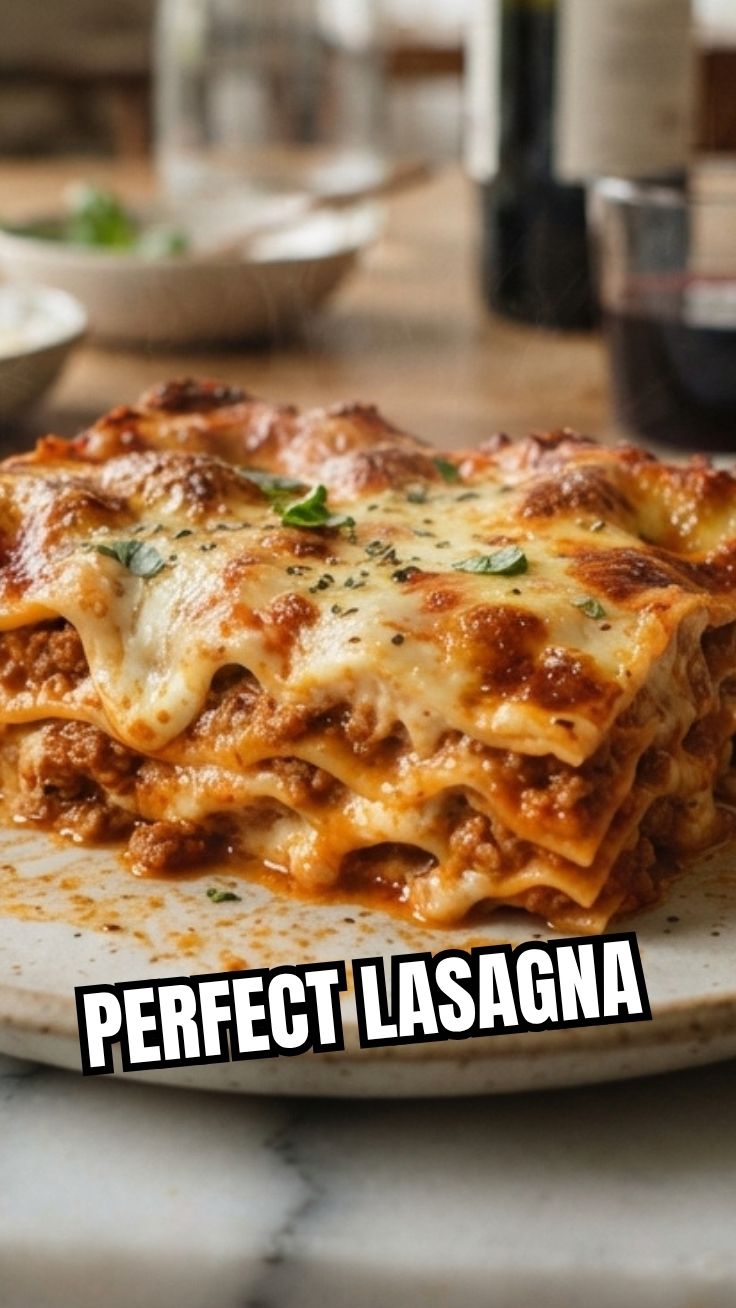
Planning is key for a successful Lasagna. The ragù benefits immensely from a slow simmer, developing deeper flavors.
- Prep Time: 45 minutes (chopping vegetables, preparing sauces).
- Cook Time: 2 hours 30 minutes (1 hour 30 minutes for ragù, 30 minutes for assembly, 30 minutes for baking).
- Resting Time: 15-20 minutes after baking. This is crucial for the layers to set and prevents the lasagna from collapsing when sliced.
Schedule: Start your ragù early, even the day before, as its flavor truly intensifies overnight. Prepare the béchamel and ricotta mixture while the ragù simmers, then assemble just before baking.
Step-by-Step Instructions
Embark on the journey to crafting the perfect Lasagna with these detailed steps:
1. Prepare the Ragù (Meat Sauce):
* In a large Dutch oven or pot, heat olive oil over medium-high heat. Add ground beef and brown thoroughly, breaking it apart with a spoon. Drain excess fat and set meat aside.
* Reduce heat to medium. Add diced onion, carrots, and celery to the pot. Sauté until softened, about 8-10 minutes. This forms the “soffritto” base.
* Stir in minced garlic and cook for 1 minute until fragrant.
* Return beef to the pot. Pour in red wine (if using) and deglaze the pan, scraping up any browned bits. Let it simmer until the wine has almost evaporated.
* Stir in tomato paste, crushed tomatoes, beef broth, oregano, and basil. Season with salt and pepper. Bring to a gentle simmer, then reduce heat to low, cover, and cook for at least 1 hour, or up to 1.5 hours, stirring occasionally. The longer it simmers, the richer the flavor.
2. Make the Béchamel Sauce:
* In a medium saucepan, melt butter over medium heat. Whisk in flour and cook for 1-2 minutes, forming a roux.
* Gradually whisk in warm milk, a little at a time, to prevent lumps. Continue whisking until the sauce thickens and is smooth, about 5-7 minutes.
* Season with grated nutmeg, salt, and white pepper. Keep warm, covering the surface with plastic wrap to prevent a skin from forming.
3. Prepare the Ricotta Mixture:
* In a medium bowl, combine ricotta cheese, egg, chopped parsley, a pinch of salt, and pepper. Mix well.
4. Assemble the Lasagna:
* Preheat oven to 375°F (190°C).
* Spread a thin layer of ragù at the bottom of your 9×13 inch baking dish. This prevents the noodles from sticking.
* Place a layer of lasagna noodles over the ragù (trimming if necessary).
* Spread half of the ricotta mixture over the noodles.
* Spoon a generous layer of ragù over the ricotta.
* Drizzle a good amount of béchamel sauce over the ragù.
* Sprinkle with shredded mozzarella and grated Parmesan.
* Repeat the noodle, ricotta, ragù, béchamel, and cheese layers.
* For the final layer, place noodles, then the remaining ragù, and top generously with béchamel, mozzarella, and Parmesan. This layering technique ensures a balanced and flavorful italian pasta bake.
5. Bake the Lasagna:
* Cover the baking dish tightly with aluminum foil.
* Bake for 20 minutes.
* Remove the foil and bake for another 10-15 minutes, or until the top is golden brown and bubbly.
6. Rest and Serve:
* Let the lasagna rest for 15-20 minutes before slicing and serving. This allows the layers to set, making it easier to cut clean portions.
Nutritional Benefits & Advantages
Beyond its incredible taste, homemade Lasagna offers several nutritional advantages. The ragù provides protein from the beef and essential vitamins and fiber from the vegetables like carrots, celery, and tomatoes, which are rich in antioxidants like lycopene. Dairy components such as ricotta, mozzarella, and Parmesan contribute significant calcium for bone health. By making it at home, you have full control over the ingredients, allowing you to choose leaner meats, reduce sodium, and incorporate more fresh vegetables, making it a wholesome and fulfilling meal for the whole family.
Tips, Variations & Cooking Advice
- Flavor Boosters: A pinch of red pepper flakes in the ragù adds a subtle kick. Fresh basil leaves between layers enhance freshness.
- Ingredient Swaps:
* Vegetarian Lasagna: Omit the meat and use sautéed mushrooms, spinach, zucchini, and eggplant in place of or in addition to the vegetable base.
* Gluten-Free: Use gluten-free lasagna noodles.
* Dairy-Free: Substitute dairy products with plant-based alternatives (e.g., cashew béchamel, tofu ricotta).
- Cooking Methods: While baking is traditional, some recipes adapt for slow cookers for an all-day simmer.
- Portion Control: Lasagna freezes well in individual portions, making it great for meal prep.
Common Mistakes to Avoid
- Undercooked Noodles: If using traditional noodles, ensure they are al dente, as they will cook more in the oven. No-boil noodles usually prevent this issue.
- Watery Sauce: A watery ragù can lead to a soupy lasagna. Ensure your sauce simmers long enough to reduce and thicken.
- Lack of Resting Time: Cutting into a hot lasagna immediately will cause it to collapse. Always allow at least 15 minutes for the layers to set.
- Too Much Liquid: Be mindful of the moisture in your ricotta mixture; drain any excess liquid if necessary.
- Over-seasoning: Taste your ragù and béchamel as you go. It’s easier to add salt than to remove it.
Storage & Meal Prep Tips
Homemade Lasagna is an excellent dish for meal prepping.
- Refrigeration: Store cooled leftovers in an airtight container in the refrigerator for up to 3-4 days.
- Freezing: Lasagna freezes beautifully! You can freeze it baked or unbaked.
* Baked: Cool completely, then cut into individual portions or leave whole. Wrap tightly in plastic wrap and then aluminum foil. Freeze for up to 3 months. Thaw in the refrigerator overnight before reheating.
* Unbaked: Assemble the lasagna, cover tightly with foil, and freeze. When ready to bake, thaw in the refrigerator overnight, then bake as directed, adding an extra 15-20 minutes to the covered baking time.
- Reheating: Reheat individual portions in the microwave or larger portions in the oven at 350°F (175°C) until heated through. Cover with foil to prevent drying out.
Conclusion
Crafting a homemade Lasagna is a rewarding culinary experience, resulting in a dish that far surpasses any store-bought alternative. From the rich, slow-simmered ragù to the creamy béchamel and perfectly layered noodles, every element contributes to an unforgettable meal. This guide equips you with the knowledge and techniques to create a truly spectacular Lasagna, a true labor of love that will bring joy to your table. Don’t be intimidated by the steps; the effort is well worth the incredible flavor and the satisfaction of serving a perfect homemade italian pasta bake. We encourage you to try this recipe, experiment with the variations, and share your delicious results with us!
FAQs
Q1: Can I make the ragù ahead of time?
A1: Absolutely! The ragù can be made 1-2 days in advance and stored in the refrigerator. In fact, many believe the flavor improves overnight.
Q2: What’s the best way to prevent my lasagna from being watery?
A2: Ensure your ragù is thick and reduced, and if using traditional ricotta, drain any excess liquid. Also, proper resting time after baking is crucial.
Q3: Can I substitute different cheeses?
A3: Yes, feel free to experiment. Provolone can be added for a sharper flavor, or a blend of Italian cheeses. Just ensure they melt well.
Q4: My béchamel sauce is lumpy. What did I do wrong?
A4: Lumps often occur if the milk is added too quickly or if it’s cold. Add warm milk gradually while whisking vigorously. If lumps persist, you can pass the sauce through a fine-mesh sieve.
Q5: How do I know when the lasagna is fully cooked?
A5: The lasagna is cooked when the top is golden brown and bubbly, and a knife inserted into the center feels hot. For precise doneness, use an internal thermometer; it should register at least 160°F (71°C).