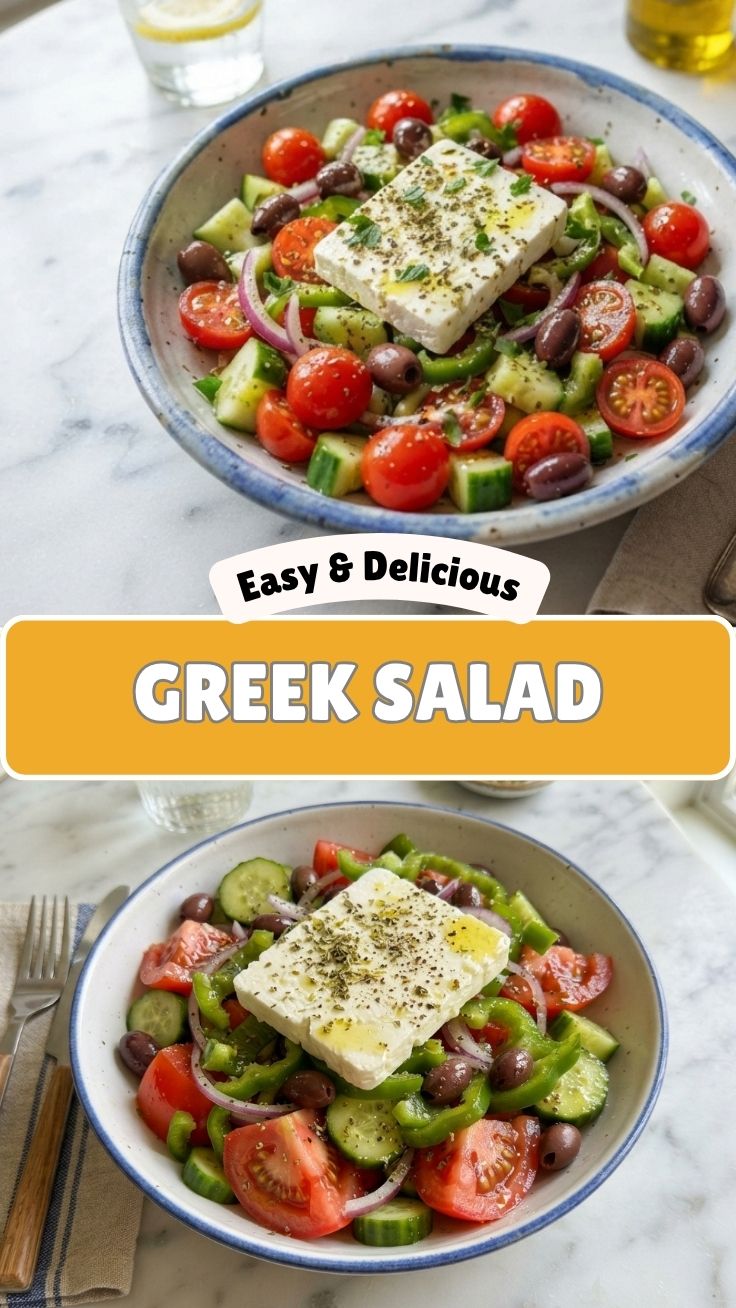
Unlocking the Freshest Flavors: Your Guide to Crafting the Perfect Greek Salad at Home
Are you tired of lackluster takeout salads that promise much but deliver little in terms of flavor and freshness? Imagine a vibrant, tantalizing dish bursting with the sun-drenched tastes of the Mediterranean, a culinary masterpiece you can create right in your own kitchen. This isn’t just any salad; it’s an invitation to experience the authentic essence of a Greek Salad, a cornerstone of the healthy and delicious Mediterranean diet. Preparing this classic at home allows you to control the quality of every ingredient, ensuring a truly exceptional and nourishing meal.
Ingredients & Kitchen Tools
Here’s everything you’ll need to embark on your Greek culinary journey:
- Ripe Tomatoes (2-3 large, or 1 pint cherry tomatoes): Choose firm, deeply colored tomatoes for optimal sweetness and acidity. Roma tomatoes work well for dicing, while cherry tomatoes offer a burst of flavor.
- English Cucumber (1 large): Seedless and less watery than regular cucumbers, offering a crisp texture.
- Red Onion (1/2 medium): For a sharp, slightly sweet kick. Slice thinly.
- Green Bell Pepper (1 medium): Adds a refreshing crunch and mild flavor.
- Kalamata Olives (1/2 cup, pitted): Essential for their briny, robust flavor. Look for unpitted for more authentic taste, but pit them before use.
- Feta Cheese (4 oz block, not pre-crumbled): The star of the show! A good quality block of feta will crumble beautifully and offer a creamy, salty tang.
- Extra Virgin Olive Oil (1/4 cup): High-quality EVOO is crucial for the dressing.
- Red Wine Vinegar (2 tablespoons): Provides the necessary acidity to balance the flavors.
- Dried Oregano (1 teaspoon): The quintessential Greek herb.
- Salt (to taste): Start with a pinch and adjust.
- Freshly Ground Black Pepper (to taste): Adds a subtle heat.
- Optional Substitutions: Feel free to add capers for extra brine, a sprinkle of fresh mint for brightness, or even grilled chicken for a heartier meal.
Kitchen Tools:
- Large mixing bowl
- Sharp knife
- Cutting board
- Measuring cups and spoons
- Whisk (for the dressing)
Prep Time & Cooking Schedule

This recipe shines with minimal fuss and maximum fresh ingredients.
- Prep Time: 15 minutes
- Cook Time: 0 minutes (no cooking required!)
- Resting Time: 10-15 minutes (optional, but highly recommended for flavors to meld)
You can easily prepare the vegetables and dressing in advance, then combine and add the feta just before serving. This makes it an ideal dish for busy weeknights or impromptu gatherings.
Step-by-Step Instructions
Follow these simple steps to create a truly authentic and delicious Greek Salad, perfectly embodying the principles of the Mediterranean diet:
1. Prepare the Vegetables: Wash and pat dry all your produce. Dice the tomatoes into bite-sized pieces. Slice the cucumber into half-moons or dice it, depending on your preference. Thinly slice the red onion and green bell pepper.
2. Combine Vegetables: In a large mixing bowl, gently combine the chopped tomatoes, cucumber, red onion, green bell pepper, and Kalamata olives.
3. Make the Dressing: In a small bowl, whisk together the extra virgin olive oil, red wine vinegar, dried oregano, salt, and freshly ground black pepper until well combined.
4. Dress the Salad: Pour the dressing over the vegetables in the large mixing bowl. Toss gently to ensure all ingredients are evenly coated. Avoid over-mixing, which can bruise the vegetables.
5. Add Feta: Carefully crumble the block of feta cheese over the dressed salad. Resist the urge to toss it vigorously, as this can break up the feta too much.
6. Rest and Serve: For optimal flavor, let the salad rest for 10-15 minutes at room temperature before serving. This allows the dressing to permeate the vegetables and the flavors to meld beautifully. Serve immediately and enjoy!
Nutritional Benefits & Advantages
This Greek Salad is a powerhouse of nutrition. Rich in fresh vegetables, it provides a wealth of vitamins (especially Vitamin C and K), minerals, and dietary fiber, crucial for digestive health and overall well-being. The extra virgin olive oil contributes healthy monounsaturated fats, known for their heart-protective qualities. Feta cheese, while salty, offers calcium and protein. The inclusion of olives provides beneficial antioxidants and healthy fats. This salad perfectly encapsulates the core principles of the Mediterranean diet, promoting longevity and reducing the risk of chronic diseases.
Tips Variations & Cooking Advice
- For a creamier dressing: Add a teaspoon of Dijon mustard to the vinaigrette.
- Spice it up: A pinch of red pepper flakes can add a subtle kick.
- Protein Boost: Add grilled chicken, chickpeas, or canned tuna for a more substantial meal.
- Herb Variations: While oregano is traditional, a sprinkle of fresh dill or parsley can offer a refreshing twist.
- Dairy-Free: Omit the feta or use a plant-based feta alternative.
- Saltiness Control: If you’re sensitive to salt, rinse the Kalamata olives before adding them.
Common Mistakes to Avoid
- Pre-crumbled Feta: Often dry and lacking flavor. Invest in a block of good quality feta.
- Over-dressing: Start with less dressing and add more if needed. You want the vegetables to be coated, not swimming.
- Soggy Salad: Don’t dress the salad too far in advance, especially if you’re using softer tomatoes. The salt in the dressing can draw out water from the vegetables.
- Poor Quality Olive Oil: This is a key ingredient. A bland or low-quality olive oil will significantly impact the flavor.
Storage & Meal Prep Tips
Leftover Greek Salad can be stored in an airtight container in the refrigerator for up to 2-3 days. However, the vegetables will soften over time, and the dressing will become more absorbed. For best results, if meal prepping, store the dressing separately and combine it with the vegetables just before serving. This will maintain the crispness of the ingredients. Freezing is not recommended for this salad due to the high water content of the fresh vegetables.
Conclusion
Crafting a homemade Greek Salad is more than just assembling ingredients; it’s about embracing fresh, wholesome flavors and the healthful ethos of the Mediterranean diet. This vibrant dish offers a delightful balance of textures and tastes, proving that nutritious eating can be incredibly delicious and satisfying. We encourage you to try this recipe and experience the joy of a truly authentic Greek culinary creation. Share your creations and let us know your favorite variations in the comments below!
FAQs
Q1: Can I make the dressing in advance?
A1: Yes, the dressing can be made up to a week in advance and stored in an airtight container in the refrigerator. Just give it a good shake before using.
Q2: What’s the best type of olive oil for Greek salad?
A2: Always opt for a high-quality extra virgin olive oil. It forms the base of the dressing and significantly impacts the overall flavor profile.
Q3: My salad tastes a bit bland. What can I do?
A3: Ensure you’re using enough salt and pepper. A good pinch of dried oregano is also crucial. A splash more red wine vinegar can also brighten the flavors.
Q4: How can I prevent the red onion from being too strong?
A4: You can thinly slice the red onion and then soak it in cold water for 10-15 minutes before adding it to the salad. This helps to mellow its pungent flavor.
Q5: Can I add other vegetables to this salad?
A5: Absolutely! While the traditional Greek salad is quite specific, feel free to add ingredients like cherry tomatoes, chopped romaine lettuce, or even roasted red peppers for extra flavor and nutrition.