The Heart of Summer on Your Plate: Crafting the Perfect Tomato Sauce
Ever tasted a tomato sauce so vibrant, so bursting with the essence of sun-ripened tomatoes, that it transported you straight to an Italian nonna’s kitchen? That’s the magic of Fresh Tomato Sauce (Summer), a culinary cornerstone that, once mastered at home, will redefine your perception of this staple. Forget the jarred varieties; crafting your own allows for unparalleled flavor, control over ingredients, and a truly personalized touch. This isn’t just about combining ingredients; it’s about coaxing out the natural sweetness and acidity to create a symphony of taste. Beyond its exquisite flavor, making your own sauce also opens up a world of possibilities for exploring diverse Seasonal Tomato Sauce Recipes throughout the year. Let’s dive in and unlock the secrets to a truly unforgettable homemade tomato sauce experience.
Ingredients & Kitchen Tools
- 2.5 lbs Ripe Roma Tomatoes: The star of the show. Roma tomatoes are ideal for sauce due to their meaty flesh and lower water content. San Marzano tomatoes are also an excellent, premium choice.
- 1/4 cup Extra Virgin Olive Oil: Provides a rich, fruity base and helps extract fat-soluble flavors.
- 4-5 cloves Garlic, minced: Adds aromatic depth and a pungent warmth. Adjust to your garlic preference.
- 1/2 medium Yellow Onion, finely diced: Contributes sweetness and structure to the flavor profile.
- 1/4 cup Fresh Basil Leaves, roughly chopped: Essential for that quintessential fresh tomato sauce aroma and flavor.
- 1 tsp Dried Oregano: Adds an earthy, slightly peppery note.
- 1/2 tsp Red Pepper Flakes (optional): For a subtle kick.
- 1 tsp Sea Salt: Enhances all the flavors. Adjust to taste.
- 1/2 tsp Black Pepper, freshly cracked: Adds a bright, aromatic contrast.
- 1 tsp Granulated Sugar (optional): Balances acidity if tomatoes are a bit tart.
- Large Pot/Dutch Oven: For simmering the sauce slowly and evenly.
- Cutting Board & Chef’s Knife: For all your chopping needs.
- Wooden Spoon: For stirring and scraping.
- Immersion Blender or Food Mill (optional): For a smoother sauce texture.
- Fine-Mesh Sieve (optional): For straining out seeds and skins if you don’t blanch and peel.
Prep Time & Cooking Schedule
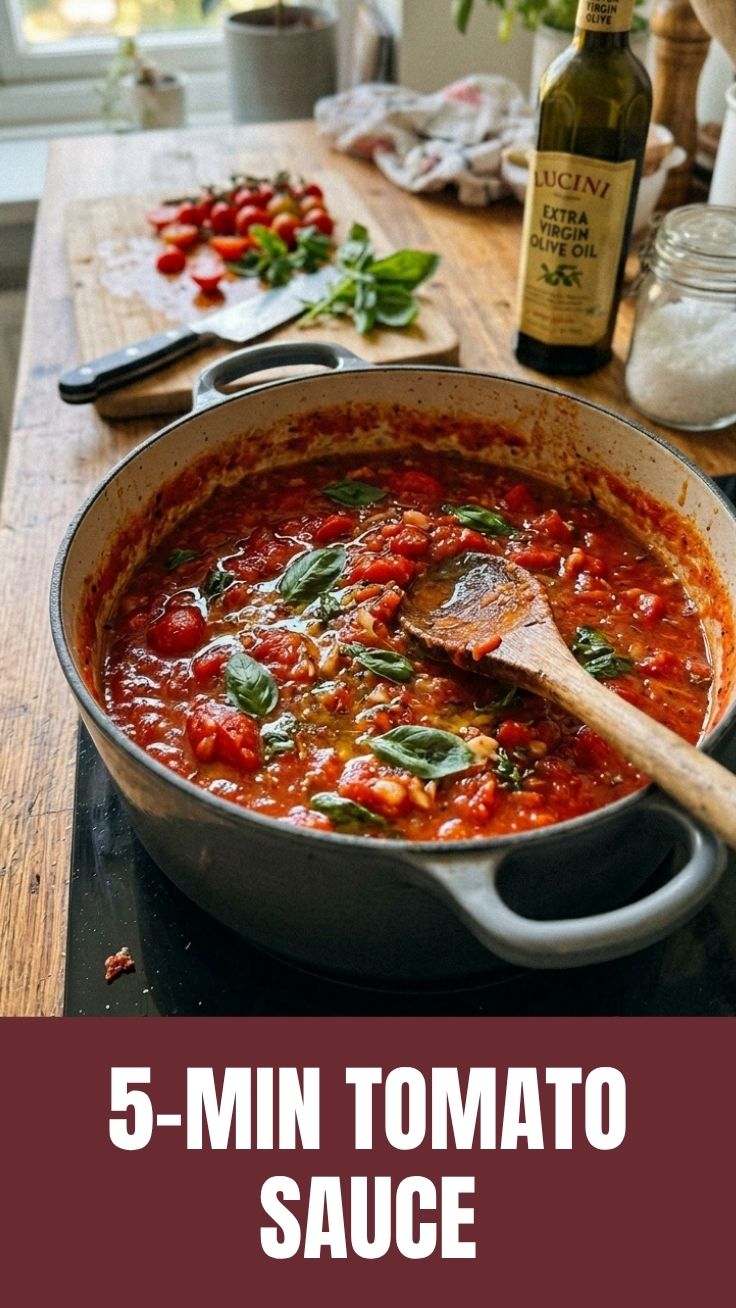
- Prep Time: 25 minutes (includes blanching and peeling tomatoes)
- Cook Time: 45-60 minutes (simmering)
- Resting Time: 10 minutes (allows flavors to meld further)
Plan to dedicate about 1.5 hours from start to finish. The bulk of the time is hands-off simmering, allowing you to attend to other tasks or simply enjoy the enticing aromas filling your kitchen. This schedule makes it ideal for a leisurely weekend afternoon cook or a more extended weeknight meal preparation if you’re comfortable with passive cooking.
Step-by-Step Instructions
1. Prepare the Tomatoes: Bring a large pot of water to a rolling boil. Score a small X on the bottom of each tomato. Carefully drop tomatoes into boiling water for 30-60 seconds, until skins start to peel. Immediately transfer to an ice bath to stop cooking. Once cooled, peel and core the tomatoes. You can roughly chop them or gently squeeze out excess water if desired. This blanching step is crucial for achieving that silky Fresh Tomato Sauce (Summer) texture.
2. Sauté Aromatics: In your large pot or Dutch oven, heat the olive oil over medium heat. Add the diced onion and cook until softened and translucent, about 5-7 minutes. Add the minced garlic and red pepper flakes (if using) and cook for another minute until fragrant, being careful not to burn the garlic.
3. Simmer the Sauce: Add the prepared tomatoes to the pot, along with dried oregano, salt, pepper, and sugar (if using). Bring the mixture to a gentle simmer. Reduce heat to low, cover partially, and let it simmer for at least 45 minutes, stirring occasionally. The longer it simmers, the more the flavors will develop and meld. This slow cooking is key to unlocking the true essence of Seasonal Tomato Sauce Recipes.
4. Finish & Season: After simmering, stir in the fresh basil. At this point, you can leave it chunky for a rustic feel, or use an immersion blender to achieve your desired consistency. Taste and adjust seasoning as needed – more salt, pepper, or a pinch of sugar. Let the sauce rest off the heat for 10 minutes before serving.
Nutritional Benefits & Advantages
This homemade tomato sauce is not only delicious but also packed with health benefits. Tomatoes are an excellent source of lycopene, a powerful antioxidant linked to reduced risk of various chronic diseases, particularly when cooked. They also provide significant amounts of Vitamin C and K, potassium, and folate. Using fresh, seasonal ingredients ensures maximum nutrient content. Furthermore, making it from scratch allows you to control sodium levels and avoid added sugars and preservatives often found in store-bought options. Olive oil contributes healthy monounsaturated fats, and fresh herbs offer additional antioxidants and anti-inflammatory properties.
Tips, Variations & Cooking Advice
- Flavor Boost: For an extra layer of umami, add a parmesan rind to the sauce while it simmers. Remove before serving.
- Sweetness Balance: If your tomatoes are a bit acidic, a small pinch of baking soda can neutralize it without adding noticeable flavor, complementing the sugar option.
- Herb Variations: Experiment with other fresh herbs like marjoram or a sprig of fresh rosemary during simmering for different aromatic profiles.
- Consistency Control: For a thicker sauce, let it simmer uncovered for the last 15-20 minutes. For a thinner sauce, add a splash of vegetable broth or reserved pasta water.
- Dietary Adaptations: This sauce is naturally gluten-free and vegan. To make it richer, stir in a touch of butter or a swirl of heavy cream at the end.
Common Mistakes to Avoid
- Undercooking Aromatics: Rushing the sautéing of onions and garlic leads to a less flavorful base. Take your time until they are truly softened and fragrant.
- Over-seasoning Early: Tomatoes can vary in sweetness and acidity. Always season lightly at the start and adjust at the end after the flavors have concentrated.
- High Heat Simmering: Boiling the sauce vigorously can cause it to scorch and develop a bitter taste. A gentle, low simmer is key for optimal flavor development.
- Omitting Fresh Herbs: While dried herbs have their place, fresh basil at the end makes a significant difference in brightening the sauce’s flavor profile.
Storage & Meal Prep Tips
Leftover Fresh Tomato Sauce (Summer) can be stored in an airtight container in the refrigerator for up to 5-7 days. For longer storage, this sauce freezes beautifully. Portion it into freezer-safe bags or containers, leaving some headspace for expansion. It will last in the freezer for up to 3-4 months. Thaw overnight in the refrigerator or gently reheat from frozen on the stovetop over low heat. To maintain its texture and flavor when reheating, avoid aggressive boiling; a gentle warm-through is best. This makes it an ideal component for meal prepping weekly pasta dishes, pizzas, or even as a base for stews.
Conclusion
Mastering the art of homemade Fresh Tomato Sauce (Summer) is a fulfilling culinary journey that yields profoundly delicious results. From the careful selection of ripe tomatoes to the slow, gentle simmer, each step contributes to a sauce that is far superior to any store-bought alternative. This recipe not only enhances your cooking prowess but also provides a healthy and versatile foundation for countless dishes, allowing you to explore an array of Seasonal Tomato Sauce Recipes throughout the year. Don’t be shy – dive in, experience the joy of making this incredibly fresh sauce, and share your delicious creations with us! We’d love to hear how you put your homemade sauce to use.
FAQs
1. Can I use canned tomatoes instead of fresh?
Yes, you can. Opt for high-quality canned whole peeled San Marzano tomatoes for the best flavor and texture when fresh seasonal tomatoes aren’t available. Drain them before use.
2. How can I make my sauce thicker without simmering longer?
You can stir in a tablespoon of tomato paste during the sautéing of the aromatics, or add a cornstarch slurry (1 tsp cornstarch mixed with 1 tbsp cold water) at the end, simmering for a few extra minutes.
3. My sauce tastes too acidic. What can I do?
A pinch of sugar (1/2 to 1 teaspoon) often balances the acidity. Alternatively, a tiny pinch of baking soda can neutralize acidity without adding sweetness.
4. Can I add other vegetables to this sauce?
Absolutely! Sautéing finely diced carrots, celery (a classic soffritto base), or bell peppers along with the onion can add complexity and sweetness.
5. What are some ways to use this fresh tomato sauce beyond pasta?
This versatile sauce is excellent as a base for pizza, shakshuka, chicken or eggplant parmesan, a dipping sauce for arancini, or even as a flavorful component in soups and stews.