Mastering Homemade Egg Drop Soup: A Culinary Journey
Craving that comforting, silken delight often found in your favorite takeout menus but wish you could make it at home, perfectly tailored to your taste? You’re in luck! Today, we’re diving deep into the art of creating the ultimate Egg Drop Soup. This seemingly simple dish is a cornerstone of Chinese Recipes, offering a delightful balance of savory broth, delicate egg ribbons, and subtle aromatics. Preparing this classic at home isn’t just about saving money; it’s about controlling the quality of ingredients, adjusting flavors to your preference, and experiencing the satisfaction of a truly homemade meal. Get ready to elevate your culinary skills and impress your family and friends with this timeless comfort food.
Ingredients & Kitchen Tools
Here’s everything you’ll need to create your perfect Egg Drop Soup:
- Chicken Broth (4 cups): High-quality, low-sodium chicken broth is key. Vegetable broth can be substituted for a vegetarian option.
- Eggs (2 large): Whisked lightly until just combined; these create the signature “drops.”
- Cornstarch (2 tablespoons): Mixed with 2 tablespoons of cold water to form a slurry; this thickens the soup.
- Soy Sauce (1 tablespoon): Adds umami and depth. Use low-sodium if preferred.
- Sesame Oil (1 teaspoon): For a distinct nutty aroma and flavor.
- Ginger (1-inch piece): Freshly grated or finely minced for a subtle warmth.
- Green Onions (2 stalks): Thinly sliced, whites and greens separated, for garnish and flavor.
- White Pepper (½ teaspoon): Preferred over black pepper for its milder, more traditional flavor.
- Salt (to taste): Adjust based on the saltiness of your broth and soy sauce.
- Optional Substitutions: A pinch of sugar can balance flavors. A few drops of chili oil can add a spicy kick. Minced garlic can deepen the aromatic profile.
Kitchen Tools:
- Medium Saucepan/Pot: For simmering the soup.
- Whisk: Essential for whisking eggs and creating the egg ribbons.
- Small Bowl: For mixing the cornstarch slurry.
- Ladle: For serving.
- Measuring Cups & Spoons: For accurate ingredient quantities.
Prep Time & Cooking Schedule
This recipe is incredibly quick, making it perfect for a last-minute craving or a weeknight meal.
- Prep Time: 10 minutes (chopping, whisking, measuring)
- Cook Time: 15 minutes (simmering, thickening, adding eggs)
- Total Time: 25 minutes
You can easily get this delightful soup on the table in under half an hour. The key is to have all your ingredients prepped and ready before you start cooking, known as “mise en place.” There’s no resting or marinating time required, allowing for immediate enjoyment.
Step-by-Step Instructions
1. Prepare the Broth: In your medium saucepan, bring the chicken broth to a gentle simmer over medium heat. Add the grated ginger, soy sauce, and white pepper. Let it simmer for 5 minutes, allowing the flavors to meld.
2. Thicken the Soup: While the broth simmers, whisk together the cornstarch and cold water in a small bowl until smooth. Slowly pour the cornstarch slurry into the simmering broth in a thin, steady stream, stirring constantly with a whisk. Continue to stir until the soup thickens to your desired consistency. It should coat the back of a spoon. Taste and adjust salt if necessary.
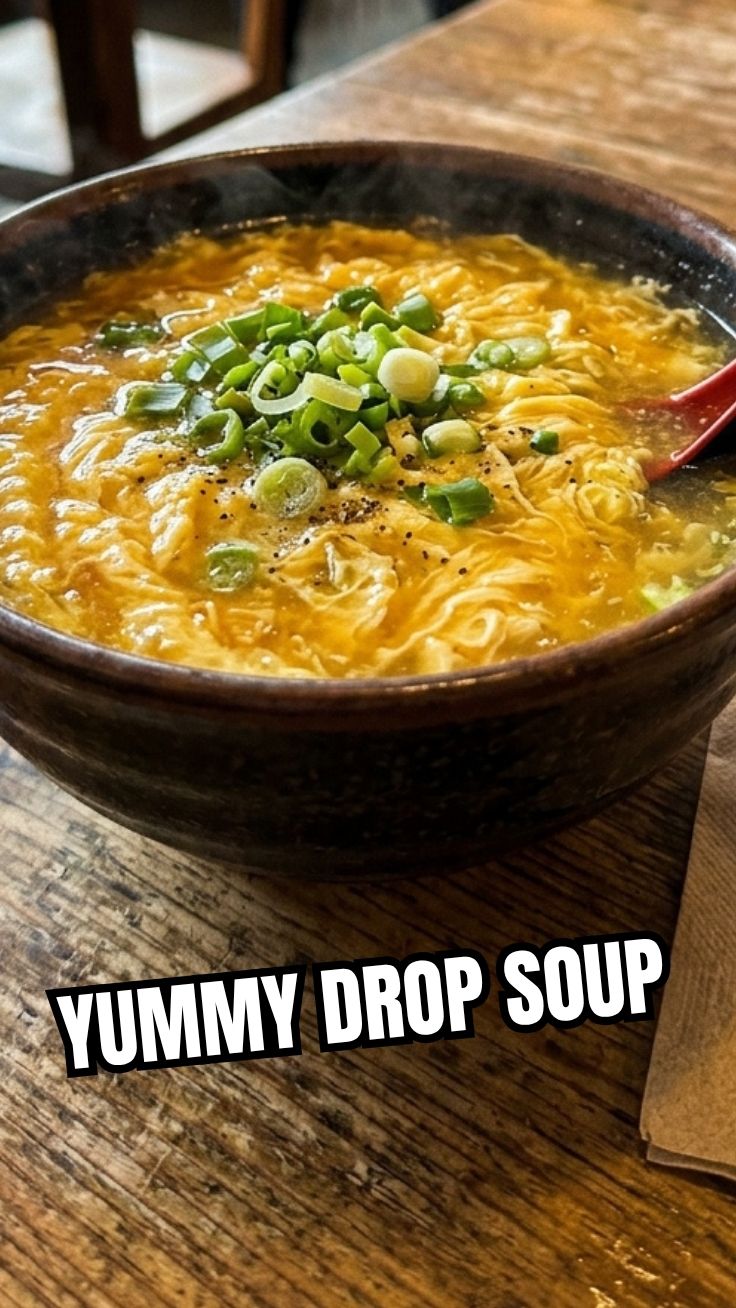
3. Introduce the Egg Ribbons: Once the soup is thickened and simmering gently (not boiling rapidly), slowly pour the lightly whisked eggs into the hot soup in a thin stream while continuously stirring the soup in one direction with your whisk or a fork. This technique creates those beautiful, delicate egg ribbons that define Egg Drop Soup. Cook for about 30 seconds until the egg is set.
4. Finish and Serve: Remove the soup from the heat. Stir in the sesame oil and the white parts of the sliced green onions. Ladle the soup into bowls, garnishing each serving with the green tops of the sliced green onions. Enjoy your delicious homemade take on one of the most beloved Chinese Recipes!
Nutritional Benefits & Advantages
Egg Drop Soup is more than just a comforting dish; it offers several nutritional advantages. Eggs are a fantastic source of high-quality protein, essential vitamins (like B12, D, and A), and minerals. The broth base is hydrating and can be a good source of electrolytes, especially if you use a bone broth. Additionally, ginger, a key aromatic, is known for its anti-inflammatory properties and its ability to aid digestion. This light and flavorful soup is relatively low in calories, making it an excellent starter or light meal, and can be easily adapted to be gluten-free by ensuring your soy sauce is gluten-free.
Tips Variations & Cooking Advice
For Silkier Ribbons: Ensure your broth is simmering, not boiling furiously, when adding the eggs. Pour slowly from a small height, continuously stirring in one direction* for the best results.
- Vegetarian Version: Substitute chicken broth with vegetable broth.
- Spice It Up: Add a pinch of red pepper flakes or a few drops of chili oil to the broth for a zesty kick.
- Add Vegetables: Introduce finely diced carrots, peas, or mushrooms during the broth simmering stage for added nutrients and texture.
- Creamier Texture: Stir in a tablespoon of heavy cream or a dash of evaporated milk at the very end for a richer mouthfeel.
- Dietary Adaptations: For a low-sodium version, use low-sodium broth and soy sauce.
Common Mistakes to Avoid
- Overcooking the Eggs: If the soup is boiling too vigorously or you cook the eggs for too long, they can become tough and rubbery instead of light and tender.
- Skipping the Slurry: Omitting or incorrectly mixing the cornstarch slurry will result in a watery soup. Ensure the cornstarch is fully dissolved in cold water before adding it to prevent lumps.
- Too Much Thickener: Adding too much cornstarch can make the soup unpleasantly gluey. Start with the recommended amount and add more gradually if needed.
- Not Tasting and Adjusting: Broth saltiness varies. Always taste your soup before adding additional salt to avoid an overly salty dish.
Storage & Meal Prep Tips
Egg Drop Soup is best enjoyed fresh, but leftovers can be stored in an airtight container in the refrigerator for up to 2-3 days. Reheat gently on the stovetop over low heat, stirring occasionally, until warmed through. Avoid microwaving on high, as it can overcook the delicate egg ribbons. Freezing is generally not recommended as the eggs can become rubbery and the texture of the soup may change upon thawing.
Conclusion
There you have it – a perfectly crafted, comforting bowl of Egg Drop Soup, made right in your own kitchen! This recipe proves that some of the most beloved Chinese Recipes are not only easy to master but also infinitely rewarding. We encourage you to try this recipe, experiment with the variations, and truly make it your own. Share your culinary creations in the comments below, or tell us your favorite customizations! Happy cooking!
FAQs
Q1: Why are my egg ribbons not forming properly?
A1: This usually happens if the soup isn’t simmering gently enough, or if you’re pouring the eggs too quickly without continuous stirring. Ensure a steady, thin stream of egg while stirring the broth consistently in one direction.
Q2: Can I use vegetable broth instead of chicken broth?
A2: Absolutely! Vegetable broth works perfectly for a vegetarian version of the soup. Just ensure it’s a good quality broth for the best flavor.
Q3: How can I make my soup spicier?
A3: You can add a pinch of red pepper flakes along with the ginger, or stir in a few drops of chili oil at the end for an extra kick.
Q4: My soup is too thick/thin. How can I fix it?
A4: If it’s too thick, you can thin it out by adding a little more hot chicken or vegetable broth. If it’s too thin, mix another small batch of cornstarch slurry (1 tsp cornstarch with 1 tsp cold water) and slowly stir it into the simmering soup until desired consistency is reached.
Q5: Can I add other ingredients to the soup?
A5: Yes! Finely diced mushrooms, peas, or even finely shredded chicken (if you want more protein) can be added during the broth simmering stage. Just ensure they are cooked through before adding the eggs.