Savor the Season: The Ultimate Guide to Crafting Perfect Vegetable Soup (Homemade)
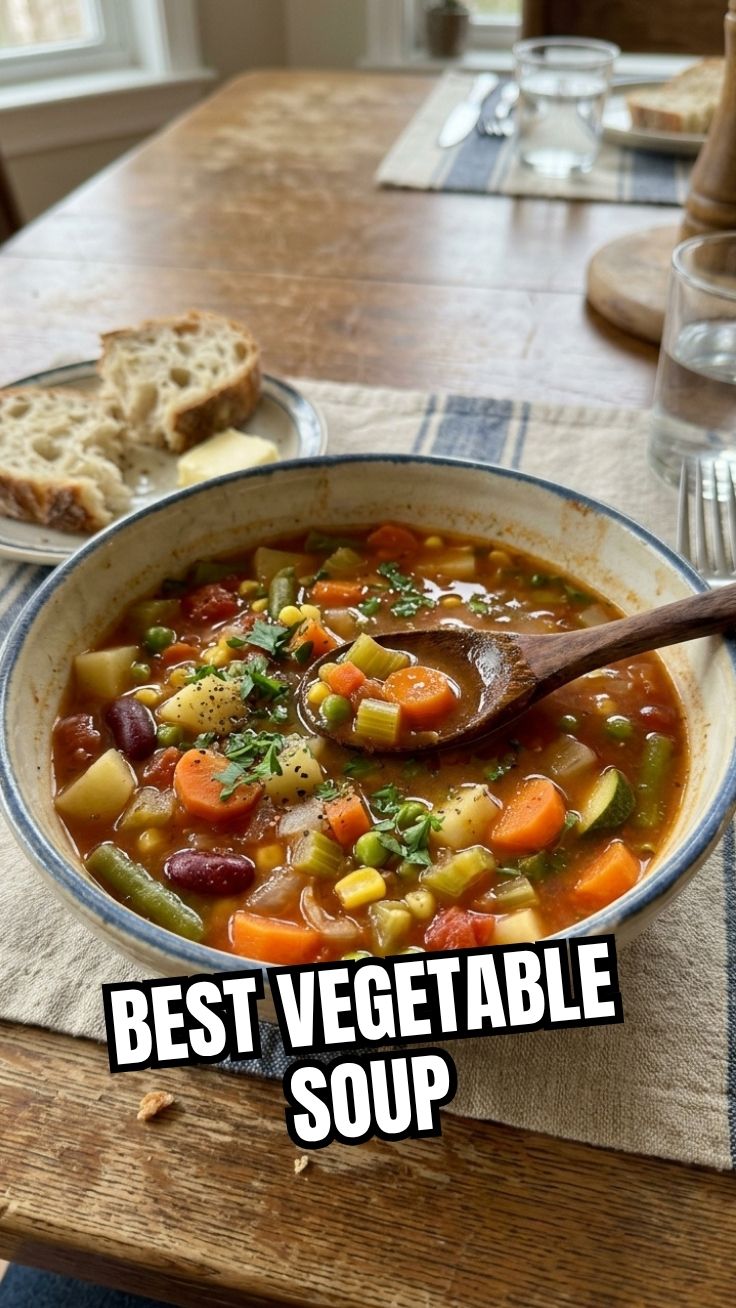
Do you ever crave a meal that’s both comforting and incredibly good for you? A dish that warms you from the inside out and fills your kitchen with an aroma that spells pure happiness? Look no further than a steaming bowl of Vegetable Soup (Homemade). Preparing this classic at home isn’t just about saving money; it’s about controlling the quality of your ingredients, tailoring flavors to your exact preference, and creating a truly wholesome experience. Forget preservative-laden canned versions; this guide empowers you to master the art of exquisite, homemade vegan soup from scratch. And if you’re keen on exploring more delightful liquid meals, be sure to check out our collection of Soup Recipes.
Ingredients & Kitchen Tools
Crafting the perfect hearty meal starts with fresh, quality ingredients and the right culinary tools.
Ingredients:
- 2 tablespoons Olive Oil: For sautéing aromatics and building a flavorful base.
- 1 large Yellow Onion, chopped: Adds a sweet, foundational flavor.
- 2 Carrots, peeled and diced: Contributes sweetness and vibrant color.
- 2 Celery Stalks, diced: Provides an essential aromatic and earthy note.
- 3 cloves Garlic, minced: Infuses complex, pungent flavor.
- 1 large Zucchini, diced: Adds a mild, slightly sweet flavor and tender texture.
- 1 Bell Pepper (any color), diced: Offers sweetness and a pleasant crispness.
- 1 (14.5 ounce) can Diced Tomatoes, undrained: For acidity and a rich umami depth.
- 6 cups Vegetable Broth: The liquid base for our soup (ensure low sodium for control).
- 1 teaspoon Dried Thyme: A classic herb that pairs wonderfully with vegetables.
- 1/2 teaspoon Dried Rosemary, crushed: Adds a fragrant, piney note.
- 1 Bay Leaf: Enhances overall flavor complexity, removed before serving.
- 1 cup Green Beans, trimmed and cut into 1-inch pieces: Adds fresh bite and color.
- 1 cup frozen Peas: Sweet and tender, added towards the end for best texture.
- Salt and Freshly Ground Black Pepper, to taste: Essential for seasoning and balancing flavors.
- Optional: 1 cup chopped Kale or Spinach: For added nutrients and a touch of bitterness.
- Optional: 1/2 cup small Pasta (like ditalini or alphabets) or 1/2 cup cooked Quinoa: To make it heartier.
Kitchen Tools:
- Large Stockpot or Dutch Oven (6-8 quarts): Essential for simmering and holding all ingredients.
- Cutting Board: For safe and efficient vegetable preparation.
- Sharp Chef’s Knife: For precise chopping and dicing.
- Measuring Spoons and Cups: For accurate ingredient quantities.
- Wooden Spoon or Heat-Resistant Spatula: For stirring and sautéing.
- Ladle: For serving.
Prep Time & Cooking Schedule
Prep time: 20 minutes (for chopping all vegetables)
Cook time: 30-40 minutes (simmering until vegetables are tender)
Total time: Approximately 50-60 minutes
This recipe is designed for a relatively quick weeknight meal. Most of the time is spent on chopping, so if you do that in advance, your cooking time will be even faster! The soup benefits from a short resting period (5-10 minutes) after cooking to allow flavors to meld further.
Step-by-Step Instructions
Follow these steps to create a truly delicious Vegetable Soup (Homemade), a staple among delightful Soup Recipes.
1. Sauté Aromatics: Heat olive oil in a large stockpot or Dutch oven over medium heat. Add chopped onion, carrots, and celery. Sauté for 5-7 minutes, stirring occasionally, until softened and fragrant. This step builds the foundation of flavor.
2. Add Garlic and Zucchini: Stir in the minced garlic and diced zucchini. Cook for another 2-3 minutes until the garlic is fragrant but not browned, and the zucchini starts to soften.
3. Introduce Liquids and Spices: Pour in the diced tomatoes (undrained) and vegetable broth. Add dried thyme, crushed rosemary, and the bay leaf. Stir well to combine.
4. Simmer and Develop Flavors: Bring the soup to a gentle boil, then reduce heat to low, cover, and let it simmer for 15-20 minutes. This allows the root vegetables to cook through and the flavors to deepen.
5. Add Remaining Vegetables: Stir in the green beans and bell pepper. Continue to simmer with the lid on for another 5-7 minutes, or until the green beans are tender-crisp.
6. Finish with Peas and Seasoning: Remove the bay leaf. Stir in the frozen peas. If using, add chopped kale or spinach now and cook until wilted (about 2-3 minutes). If adding pasta, stir it in and cook according to package directions, ensuring it doesn’t get mushy.
7. Taste and Adjust: Season generously with salt and freshly ground black pepper to taste. Remember, seasoning is crucial for bringing out the best in your vegetables. Serve hot!
Nutritional Benefits & Advantages
This Vegetable Soup (Homemade) is a powerhouse of nutrition! It’s naturally low in calories and saturated fat, while being rich in dietary fiber, vitamins, and minerals. Carrots are packed with Vitamin A, celery provides Vitamin K, and tomatoes are an excellent source of Vitamin C and antioxidants like lycopene. The abundance of vegetables supports gut health, boosts immunity, and can contribute to a feeling of fullness, aiding in weight management. Plus, by making it yourself, you avoid the high sodium content often found in commercial soups.
Tips, Variations & Cooking Advice
- Spice it up: Add a pinch of red pepper flakes for a subtle kick.
- Herb Variations: Experiment with different herbs like oregano, basil, or a touch of fresh parsley or dill at the end.
- Protein Boost: For a more substantial meal, add a can of drained and rinsed cannellini beans or chickpeas during the last 10 minutes of simmering. Cooked chicken or beef can also be added.
- Creamy Texture: For a creamy soup, blend half of the soup with an immersion blender before adding the final vegetables, then combine with the remaining chunky soup.
- Gluten-Free/Dairy-Free: This recipe is naturally gluten-free and dairy-free! Just ensure your vegetable broth is certified gluten-free if strict.
- Broth Flavor: Use a high-quality vegetable broth for the best flavor. Homemade broth is even better if you have it!
Common Mistakes to Avoid
- Overcooking Vegetables: This can lead to mushy, flavorless soup. Add denser vegetables earlier and tender ones later in the cooking process.
- Undercooking Aromatics: Take your time with the initial sauté of onions, carrots, and celery. This step builds crucial flavor.
- Insufficient Seasoning: Don’t be shy with salt and pepper. Taste and adjust throughout the cooking process. A bland soup is often just an under-seasoned soup.
- Too Much Water: Stick to the recommended broth amount. Adding too much liquid will dilute the flavors.
Storage & Meal Prep Tips
Leftover Vegetable Soup (Homemade) tastes even better the next day as the flavors continue to meld!
- Refrigeration: Store cooled soup in airtight containers in the refrigerator for up to 3-4 days.
- Freezing: This soup freezes beautifully. Allow it to cool completely, then transfer to freezer-safe containers or bags. It can be frozen for up to 3 months. If you added pasta, it might get slightly softer upon reheating, but still delicious.
- Reheating: Reheat gently on the stovetop over medium-low heat, stirring occasionally, until heated through. You may need to add a splash of water or broth if it has thickened too much.
Conclusion
Mastering a truly delicious Vegetable Soup (Homemade) is an invaluable culinary skill that offers endless possibilities for customization and nourishment. By following this guide, you’ve not only created a healthy, flavorful meal, but you’ve also taken control of what’s on your plate. Whether you’re looking for a comforting classic or exploring new Soup Recipes, this homemade soup is a testament to the power of fresh ingredients and simple cooking. Don’t hesitate—give this recipe a try and share your delightful results in the comments below!
FAQs
Q1: Can I use fresh herbs instead of dried?
A1: Absolutely! Use 3 times the amount of fresh herbs compared to dried herbs (e.g., 3 teaspoons fresh thyme for 1 teaspoon dried). Add them towards the end of cooking for maximum flavor.
Q2: What if I don’t have all the listed vegetables?
A2: Don’t worry! This soup is very flexible. Feel free to substitute with other seasonal vegetables you have on hand, such as potatoes, sweet potatoes, green beans, spinach, or corn. Aim for a good mix of textures and colors.
Q3: How can I make this soup thicker?
A3: To thicken the soup, you can do one of two things: blend a portion of the cooled soup (1-2 cups) in a blender and return it to the pot, or create a simple roux by melting 1 tablespoon of butter, stirring in 1 tablespoon of flour, cooking for 1 minute, then whisking it into the simmering soup until thickened.
Q4: Can I make this soup in a slow cooker?
A4: Yes! Sauté the aromatics (onion, carrots, celery, garlic) first for best flavor. Then, combine all ingredients (except frozen peas and delicate greens) in your slow cooker. Cook on low for 6-8 hours or on high for 3-4 hours, adding peas and greens during the last 30 minutes of cooking.
Q5: My soup tastes a little bland, what did I do wrong?
A5: Blandness is usually due to insufficient seasoning. Add more salt and pepper, tasting as you go. A squeeze of fresh lemon juice or a dash of apple cider vinegar at the end can also brighten flavors considerably. Ensure you used good quality, flavorful vegetable broth.