Unveiling the Magic of Homemade French Onion Soup: A Culinary Journey
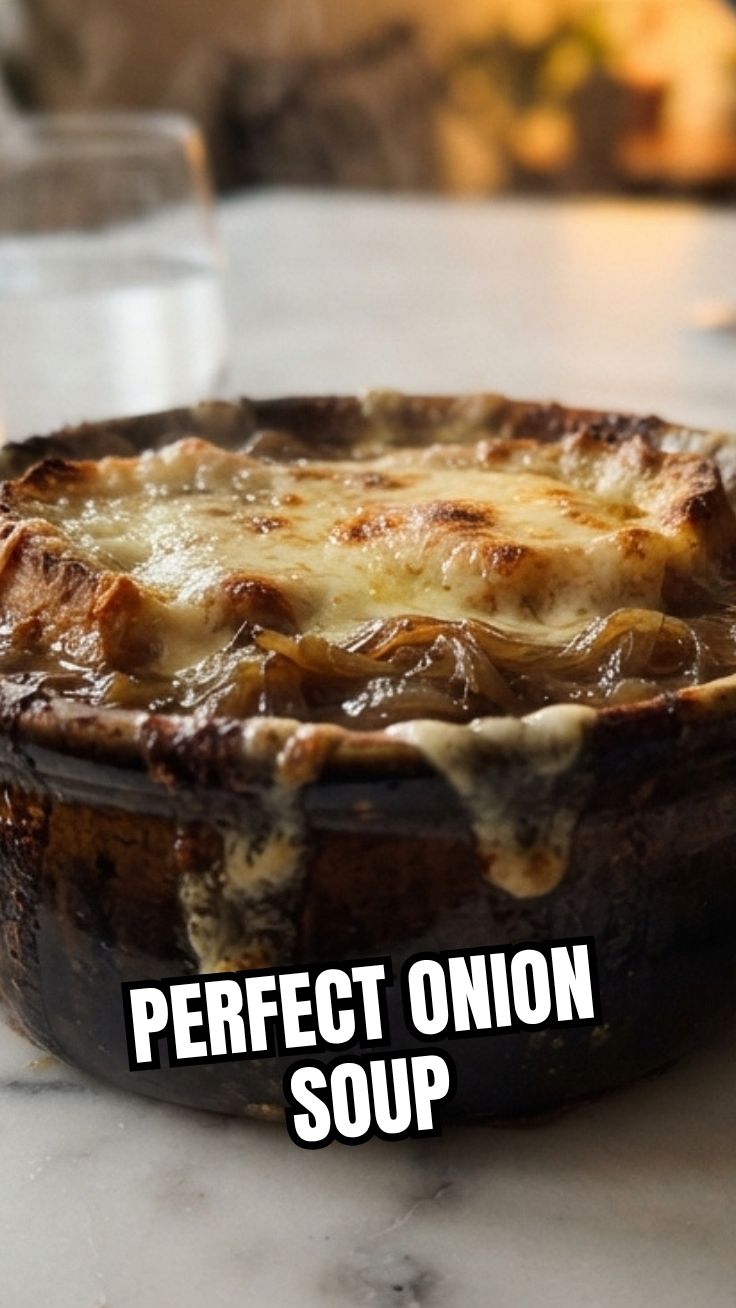
Ever wondered if you could recreate the deeply satisfying, soul-warming experience of authentic French Onion Soup right in your own kitchen? That rich, savory broth, caramelized onions, and the glorious blanket of bubbly, melted cheese – it feels like a restaurant-only indulgence, doesn’t it? But what if I told you it’s not only achievable but incredibly rewarding to prepare this classic at home? Beyond the sheer joy of a perfectly crafted bowl, mastering French Onion Soup provides a fundamental lesson in flavor development and culinary patience. It’s a dish that transforms humble ingredients into something extraordinary, showcasing the magic of slow cooking and the comforting allure of a well-balanced meal, often crowned with the distinct nutty notes of Gruyère cheese.
Ingredients & Kitchen Tools
Crafting the perfect French Onion Soup requires a thoughtful selection of ingredients and the right culinary arsenal.
Yellow Onions (6-8 large): The undisputed star of the show. Choose firm, unblemished onions for the best caramelization. Sweet onions can also be used for a slightly less pungent, sweeter profile.*
- Unsalted Butter (4 tbsp): Essential for slow caramelization without adding excessive salt.
- Garlic (3 cloves, minced): Adds depth and aromatic complexity.
Dry White Wine (1 cup, e.g., Sauvignon Blanc or Pinot Grigio): Deglazes the pot and adds a crucial layer of acidity and flavor. For an alcohol-free version, substitute with additional beef broth and a splash of white wine vinegar.*
Beef Broth (6-8 cups, high quality): The backbone of the soup. Use a good quality, low-sodium broth for best results. Vegetable broth can be substituted for a vegetarian option, though the flavor profile will differ.*
- Fresh Thyme (1 tsp chopped, or 3-4 sprigs): Adds an earthy, herbaceous note.
- Bay Leaf (1): Infuses a subtle, aromatic background.
- Salt and Freshly Ground Black Pepper (to taste): Essential for seasoning at various stages.
- Baguette or Crusty Bread (1 loaf, sliced): For making croutons. Stale bread works perfectly here.
Gruyère cheese (1.5 cups, grated): The traditional, melt-tastic topping. Its nutty, earthy flavor is non-negotiable. Emmentaler or Comté can be used as alternatives.*
- Olive Oil (1 tbsp): For toasting bread.
Kitchen Tools:
- Heavy-Bottomed Dutch Oven or Large Pot: Crucial for even heat distribution during onion caramelization.
- Sharp Knife: For slicing onions efficiently.
- Cutting Board: A stable surface for prep.
- Fine-Mesh Sieve (optional): For a smoother broth, if desired.
- Oven-Safe Bowls or Crocks: For broiling the cheese topping.
- Baking Sheet: For toasting bread and placing crocks under the broiler.
Prep Time & Cooking Schedule
- Prep Time: 20-30 minutes (mostly slicing onions)
- Cook Time: 1 hour 30 minutes – 2 hours (caramelizing onions is the longest part!)
- Resting Time: 10 minutes (after broiling, before serving, to prevent burns)
This recipe requires patience, particularly during the onion caramelization phase. Don’t rush it! Planning for a relaxed afternoon or evening is ideal. The good news is much of the cooking is hands-off, allowing you to prepare other dishes or simply enjoy the enticing aromas filling your kitchen.
Step-by-Step Instructions
1. Caramelize the Onions (The Heart of the Soup): In your Dutch oven, melt the butter over medium-low heat. Add the sliced onions and a pinch of salt. Cook slowly, stirring occasionally, for 45-60 minutes, or until the onions are deeply golden brown and soft. This isn’t just browning; it’s a process of developing intense sweetness and umami. Scrape up any fond (brown bits) from the bottom of the pot regularly.
2. Add Aromatics & Deglaze: Stir in the minced garlic and cook for another 1-2 minutes until fragrant. Pour in the dry white wine, scraping up all the delicious browned bits from the bottom of the pot. Let it simmer until the liquid has mostly evaporated, about 5 minutes.
3. Simmer the Broth: Add the beef broth, fresh thyme, and bay leaf. Bring the soup to a gentle simmer, then reduce heat to low, cover, and cook for at least 30 minutes to allow the flavors to meld. Season with salt and pepper to taste. Remove the bay leaf and thyme sprigs before serving.
4. Prepare the Croutons: Preheat your oven to 375°F (190°C). Brush baguette slices with olive oil and toast on a baking sheet for 8-10 minutes, until golden and crisp.
5. Assemble and Broil: Ladle the hot French Onion Soup into oven-safe crocks. Float a toasted baguette slice on top of each bowl, then generously sprinkle with grated Gruyère cheese.
6. The Grand Finale: Place the crocks on a baking sheet and broil for 2-4 minutes, watching carefully, until the cheese is bubbly, melted, and golden brown. Serve immediately.
Nutritional Benefits & Advantages
French Onion Soup, particularly when homemade, offers more than just comfort. Onions are rich in antioxidants, vitamin C, and prebiotics, which support gut health. While not a low-calorie dish due to the butter and cheese, it’s packed with flavor, making it a satisfying meal that can be enjoyed in moderation. Using quality beef broth can also provide collagen and amino acids.
Tips, Variations & Cooking Advice
- Onion Selection: Use a mix of yellow and sweet onions for a more complex flavor profile.
- Broth Quality: A good quality beef broth makes a significant difference. Consider making your own for the ultimate flavor.
- Wine Alternatives: For a deeper, richer flavor without wine, a tablespoon of balsamic vinegar can be added after caramelizing the onions, followed by a touch more broth.
- Cheese Alternatives: While Gruyère is classic, Comté, Emmentaler, or even a sharp white cheddar can be used in a pinch.
- Vegetarian Version: Use high-quality vegetable broth and ensure your baguette is dairy-free.
- Make Ahead: The soup (without croutons and cheese) can be made a day or two in advance and refrigerated. Reheat gently before assembling and broiling.
Common Mistakes to Avoid
- Rushing Caramelization: This is the biggest mistake. Onions need low heat and patience to truly caramelize and sweeten, not just brown.
- Not Deglazing Properly: Those browned bits on the bottom of the pot are pure flavor. Don’t leave them behind!
- Too Much Salt Too Soon: Season gradually, especially since the broth and cheese already contain salt.
- Over-Broiling the Cheese: Watch it like a hawk! It can go from perfect to burnt in seconds.
Storage & Meal Prep Tips
Leftover French Onion Soup can be stored in an airtight container in the refrigerator for up to 3-4 days. It freezes well for up to 3 months. For best results, freeze the soup base separately from the croutons and Gruyère cheese. Thaw in the refrigerator overnight, then reheat gently on the stovetop. Prepare fresh croutons and broil with cheese just before serving for the best texture.
Conclusion
There’s a unique satisfaction in preparing a dish that seems complex but, with a little patience, yields incredible results. This homemade French Onion Soup is more than just a recipe; it’s an experience, a journey from simple onions to a symphony of flavors, crowned with golden, melted Gruyère cheese. So, roll up your sleeves, embrace the aroma of slowly caramelizing onions, and treat yourself and your loved ones to this timeless classic. You’ll be amazed at how easily you can bring bistro-quality comfort to your table.
FAQs
Q1: Why do my onions always burn instead of caramelizing?
A1: You’re likely cooking them at too high a heat. Caramelization requires low to medium-low heat and plenty of time, usually 45-60 minutes, with occasional stirring. Patience is key!
Q2: Can I make this soup without alcohol?
A2: Yes, you can substitute the dry white wine with additional beef broth, and for a touch of acidity, add a tablespoon of white wine vinegar or balsamic vinegar after the onions are caramelized.
Q3: My cheese doesn’t melt evenly under the broiler. What am I doing wrong?
A3: Ensure your oven-safe bowls are placed on a baking sheet on a rack close enough to the broiler element (usually 4-6 inches). Also, ensure your Gruyère cheese is grated, as shredded cheese melts more consistently than sliced.
Q4: Can I use pre-sliced onions to save time?
A4: While convenient, pre-sliced onions often dry out quickly and don’t caramelize as well as freshly sliced ones. For the best results and flavor, slicing them yourself is recommended.
Q5: How can I thicken my French Onion Soup if it’s too thin?
A5: The soup is traditionally brothy. However, if you prefer a slightly thicker consistency, you can simmer it uncovered for a bit longer to reduce the liquid, or stir in a very small amount of cornstarch slurry (1 tsp cornstarch mixed with 1 tbsp cold water) and simmer until slightly thickened.