Unlock Flavor: Your Ultimate Guide to Perfectly Roasted Vegetables Every Time!
Tired of bland, soggy vegetables? Do you dream of vibrant, caramelized sides that effortlessly elevate any meal? You’re not alone! Mastering the art of Roasted Vegetables is a culinary game-changer, transforming simple produce into a delightful experience. There’s a profound satisfaction in creating wholesome, delicious food in your own kitchen, and this recipe for perfectly roasted vegetables, alongside the versatile Sheet Pan Vegetables method, offers exactly that. Not only is it incredibly rewarding, but it also allows you to control the quality of your ingredients and tailor flavors to your exact preference. Get ready to impress yourself and your loved ones with this simple yet sophisticated dish!
Ingredients & Kitchen Tools
Crafting stellar roasted vegetables doesn’t require a gourmet kitchen, just a few essential items:
Assorted Vegetables (4-5 cups chopped): Think broccoli florets, cauliflower florets, bell peppers (any color) sliced, red onion wedges, zucchini/squash chunks, and carrots/potatoes (diced smaller for even cooking). Clarification: Choose vegetables that cook at similar rates, or adjust cutting sizes accordingly.*
Olive Oil (3-4 tablespoons): Extra virgin is ideal for flavor, but any good quality olive oil will do. Clarification: Helps with browning and prevents sticking.*
Salt (1 teaspoon): Kosher or sea salt is preferred for better flavor distribution. Clarification: Enhances natural flavors and aids in moisture release.*
Black Pepper (1/2 teaspoon): Freshly ground is always best. Clarification: Adds a subtle, aromatic heat.*
Garlic Powder (1/2 teaspoon): For a mellow garlic flavor without burning fresh garlic. Clarification: A pantry staple for savory dishes.*
Dried Herbs (1 teaspoon): Italian seasoning, thyme, rosemary, or oregano work wonderfully. Clarification: Adds aromatic depth and complexity.*
Optional: Paprika (1/2 teaspoon): For a touch of color and smoky sweetness. Clarification: A versatile spice for warmth and vibrancy.*
Large Baking Sheet(s): Essential for spreading vegetables in a single layer. Clarification: Using multiple sheets ensures proper airflow and browning.*
Large Mixing Bowl: For tossing vegetables with oil and seasonings. Clarification: Allows for even coating.*
Spatula or Tongs: For tossing and flipping vegetables. Clarification: Prevents sticking and promotes even cooking.*
Prep Time & Cooking Schedule
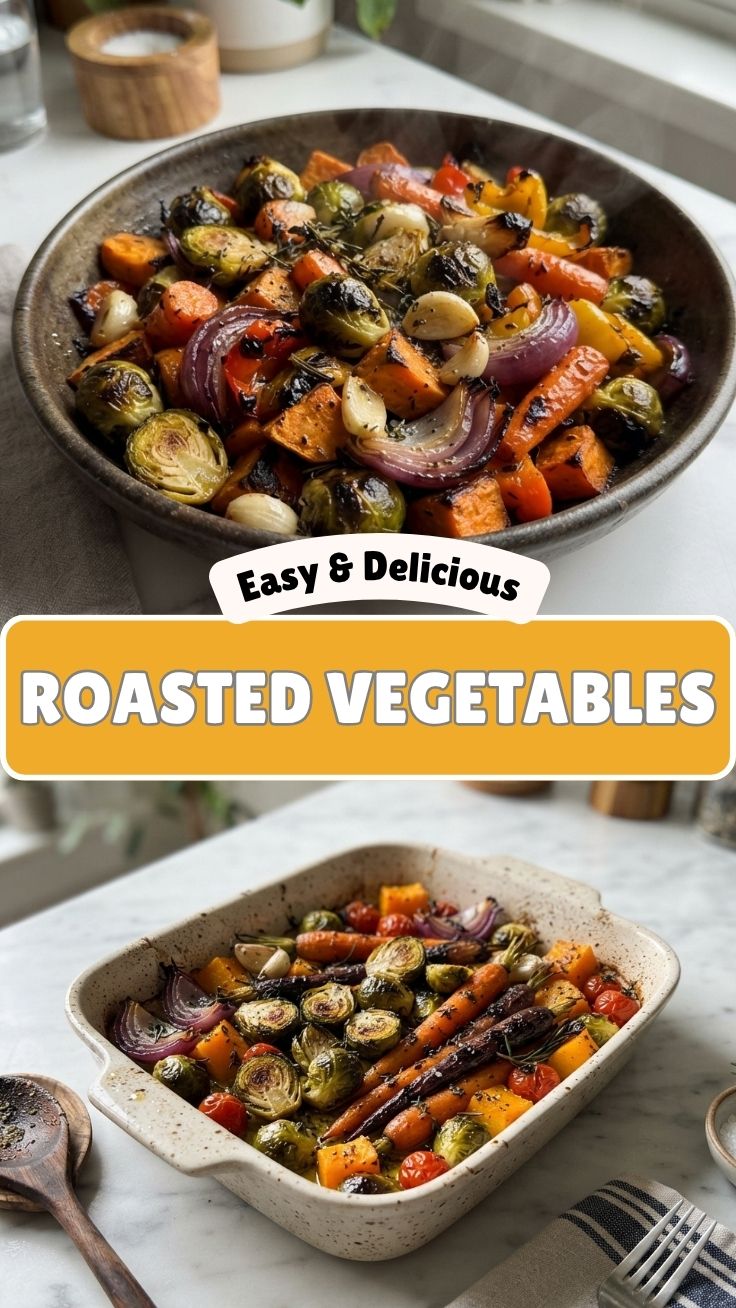
Achieving perfectly roasted vegetables is all about timing and preparation.
- Prep Time: 15-20 minutes (depending on vegetable variety and chopping skill)
- Cook Time: 25-40 minutes (varies based on vegetable density and desired crispness)
- Resting Time: 5 minutes (allows flavors to meld and vegetables to cool slightly before serving)
Planning Context: This recipe is fantastic for weeknight dinners as the hands-on time is minimal. You can chop your vegetables ahead of time (store in an airtight container in the fridge) to further reduce prep on busy evenings.
Step-by-Step Instructions
Follow these simple steps to achieve beautifully caramelized and tender Roasted Vegetables every time, and remember, these principles apply equally to efficient Sheet Pan Vegetables!
1. Preheat Oven: Preheat your oven to a robust 400°F (200°C). This high heat is crucial for achieving that desirable crisp exterior and tender interior.
2. Prepare Vegetables: Wash, dry, and chop all your chosen vegetables into roughly uniform, bite-sized pieces. Aim for pieces that are similar in size to ensure even cooking. For denser vegetables like potatoes or carrots, cut them slightly smaller or roast them separately for the first 10-15 minutes.
3. Seasoning Symphony: In a large mixing bowl, combine the chopped vegetables with olive oil, salt, black pepper, garlic powder, and your chosen dried herbs (and paprika, if using). Toss everything thoroughly until every piece of vegetable is lightly coated. This step is key for flavor and browning.
4. Single Layer Spread: Arrange the seasoned vegetables in a single layer on your baking sheet(s). Do not overcrowd the pan! If the pan is too full, the vegetables will steam instead of roast, leading to a soggy result. Use two pans if necessary.
5. Roast to Perfection: Place the baking sheet(s) in the preheated oven. Roast for 25-40 minutes, flipping or tossing the vegetables gently with a spatula halfway through cooking. The exact time will depend on the vegetables you’re using and your desired level of tenderness and caramelization. Look for golden-brown edges and a fork-tender interior.
6. Serve Immediately: Once roasted, remove the vegetables from the oven and serve hot. A final sprinkle of fresh herbs (like parsley or chives) can add a burst of freshness.
Nutritional Benefits & Advantages
Beyond their incredible flavor, Roasted Vegetables are a powerhouse of nutrition. Roasting at high temperatures can actually enhance the flavor and bioavailability of certain nutrients. This dish is:
- Rich in Vitamins and Minerals: Depending on your vegetable choices, you’ll get a good dose of Vitamin A (carrots), Vitamin C (bell peppers, broccoli), Vitamin K (broccoli, cauliflower), potassium, and dietary fiber.
- High in Fiber: Essential for digestive health, satiety, and blood sugar regulation.
- Antioxidant-Packed: Many vegetables, especially brightly colored ones, are loaded with antioxidants that protect your cells from damage.
- Low in Calories (and naturally delicious!): A fantastic way to add bulk and nutrition to your meals without excess calories.
- Customizable: Easily adapted to various dietary needs, including vegetarian, vegan, gluten-free, and low-carb.
Tips, Variations & Cooking Advice
- Flavor Boosters: Drizzle with balsamic glaze after roasting, add a squeeze of fresh lemon juice, or sprinkle with Parmesan cheese (dairy-free alternatives available).
- Spice it Up: Add a pinch of red pepper flakes or a dash of cayenne for a kick.
- Herb Power: Experiment with fresh herbs like rosemary or thyme sprigs added directly to the pan during the last 10 minutes of roasting.
- Root Vegetable Focus: For a heartier side, focus on root vegetables like parsnips, sweet potatoes, and regular potatoes. These often benefit from a slightly longer roasting time.
- Quick Blanching: For very dense vegetables like carrots or potatoes, blanching them in boiling water for 3-5 minutes before roasting can speed up the cooking process and ensure a tender interior.
- Don’t Fear the Sear: Embrace the slightly charred bits – that’s where much of the delicious caramelized flavor comes from!
Common Mistakes to Avoid
- Overcrowding the Pan: This is the most common mistake! It leads to steaming, not roasting, resulting in soft, uncaramelized vegetables. Use multiple pans if needed.
- Not Drying Vegetables: Excess moisture prevents browning. Pat your washed vegetables dry before tossing with oil.
- Low Oven Temperature: Too low a temperature won’t give you that lovely crispy exterior. Stick to 400°F (200°C) or higher.
- Under-Seasoning: Don’t be shy with salt, pepper, and herbs. They bring out the best in your produce.
- Not Flipping/Tossing: Regularly turning the vegetables ensures even cooking and browning on all sides.
Storage & Meal Prep Tips
Roasted Vegetables are excellent for meal prepping!
- Refrigeration: Store leftover roasted vegetables in an airtight container in the refrigerator for up to 3-4 days.
- Freezing: While possible, freezing roasted vegetables can alter their texture, making them softer upon reheating. If you choose to freeze, spread cooled vegetables in a single layer on a baking sheet to flash freeze, then transfer to a freezer-safe bag. They can last for up to 2-3 months.
- Reheating: For best results, reheat roasted vegetables in the oven at 350°F (175°C) for 10-15 minutes, or until heated through and slightly re-crisped. The microwave is quicker but can make them less crisp.
Conclusion
Mastering the art of perfectly Roasted Vegetables is a skill that will serve you well in countless culinary adventures. From humble side dishes to hearty additions to grain bowls and salads, these flavorful creations offer endless possibilities. Whether you’re whipping up a quick weeknight meal using the versatile Sheet Pan Vegetables method or preparing a more elaborate spread, this guide provides all the tools you need for success. We encourage you to experiment with different vegetable combinations, seasonings, and techniques. Don’t be afraid to make it your own! Share your delicious creations and any innovative twists you discover in the comments below – we can’t wait to hear about your roasting triumphs!
FAQs
Q1: Can I mix different types of vegetables that cook at different rates?
A1: Yes, but you’ll need to adjust. Cut denser vegetables (potatoes, carrots) into smaller pieces, or add them to the pan 10-15 minutes before quicker-cooking vegetables (broccoli, bell peppers).
Q2: My roasted vegetables are soggy. What went wrong?
A2: Most likely, the pan was overcrowded, causing the vegetables to steam instead of roast. Ensure they are in a single layer with space between them. Also, make sure they are thoroughly dry before oiling and seasoning.
Q3: Can I use frozen vegetables for roasting?
A3: Yes, but they need to be thawed and thoroughly dried beforehand to prevent a watery result. They might also take slightly longer to achieve desired crispness.
Q4: What’s the best way to get crispy edges?
A4: High oven heat (400°F/200°C+), a single layer on the pan, and avoiding overcrowding are key. A small amount of cornstarch mixed with the oil and seasonings can also help promote extra crispness.
Q5: How can I add more protein to this dish?
A5: You can roast chickpeas alongside the vegetables, or serve them with grilled chicken, fish, or tofu. Many of the principles for Sheet Pan Vegetables also apply to incorporating proteins for a complete meal.