Unleash the Aroma: Master the Art of Homemade Cinnamon Rolls
Who can resist the intoxicating aroma of freshly baked Cinnamon Rolls wafting through the kitchen? That irresistible blend of warm spices, sweet dough, and gooey frosting is a culinary embrace, a taste of pure comfort. While store-bought versions offer convenience, there’s an unparalleled satisfaction in crafting these delectable treats from scratch. Beyond the sheer joy of baking, preparing this beloved pastry at home allows for complete control over ingredients, ensuring a personalized touch and a healthier outcome. Today, we’re not just baking; we’re embarking on a journey to perfect a truly exceptional Cinnamon Roll Recipe that will become a cherished staple in your home.
Ingredients & Kitchen Tools
To embark on this delightful baking adventure, gather the following essentials:
Main Dough:
- 1 cup warm milk (105-115°F/40-46°C): Activates the yeast; use whole milk for richness.
- 2 ¼ teaspoons active dry yeast (one standard packet): The leavening agent that makes the rolls fluffy.
- ¼ cup granulated sugar: Feeds the yeast and adds sweetness to the dough.
- Unsalted butter (½ cup, melted, plus extra for greasing): Adds flavor, tenderness, and richness.
- 1 large egg: Enriches the dough and improves texture.
- 1 teaspoon vanilla extract: Enhances the overall flavor profile.
- ½ teaspoon salt: Balances sweetness and strengthens the gluten structure.
- 3-3 ½ cups all-purpose flour: The base of your dough; have extra for dusting.
Filling:
- ½ cup unsalted butter (softened): Binds the filling ingredients together.
- 1 cup packed light brown sugar: Provides deep molasses notes and sweetness.
- 2 tablespoons ground cinnamon: The star spice, delivering the characteristic flavor.
- Pinch of nutmeg (optional): Adds a subtle warmth and complexity.
Cream Cheese Frosting:
- 4 ounces cream cheese (softened): The tangy, creamy base of the frosting.
- ¼ cup unsalted butter (softened): Adds richness and smoothness.
- 2 cups powdered sugar (confectioners’ sugar): Sweetens and thickens the frosting.
- 1 teaspoon vanilla extract: Enhances the flavor of the frosting.
- 1-3 tablespoons milk (or heavy cream): Adjusts frosting consistency for spreadability.
Kitchen Tools:
- Large mixing bowls: For dough preparation.
- Stand mixer with dough hook attachment (optional, but highly recommended): For effortless kneading.
- Rolling pin: To flatten the dough.
- 9×13-inch baking dish: For baking the rolls.
- Whisk: For combining dry ingredients.
- Measuring cups and spoons: For precise ingredient measurements.
- Plastic wrap or clean kitchen towel: For dough rising.
- Sharp knife or unflavored dental floss: For cutting the rolls.
Prep Time & Cooking Schedule
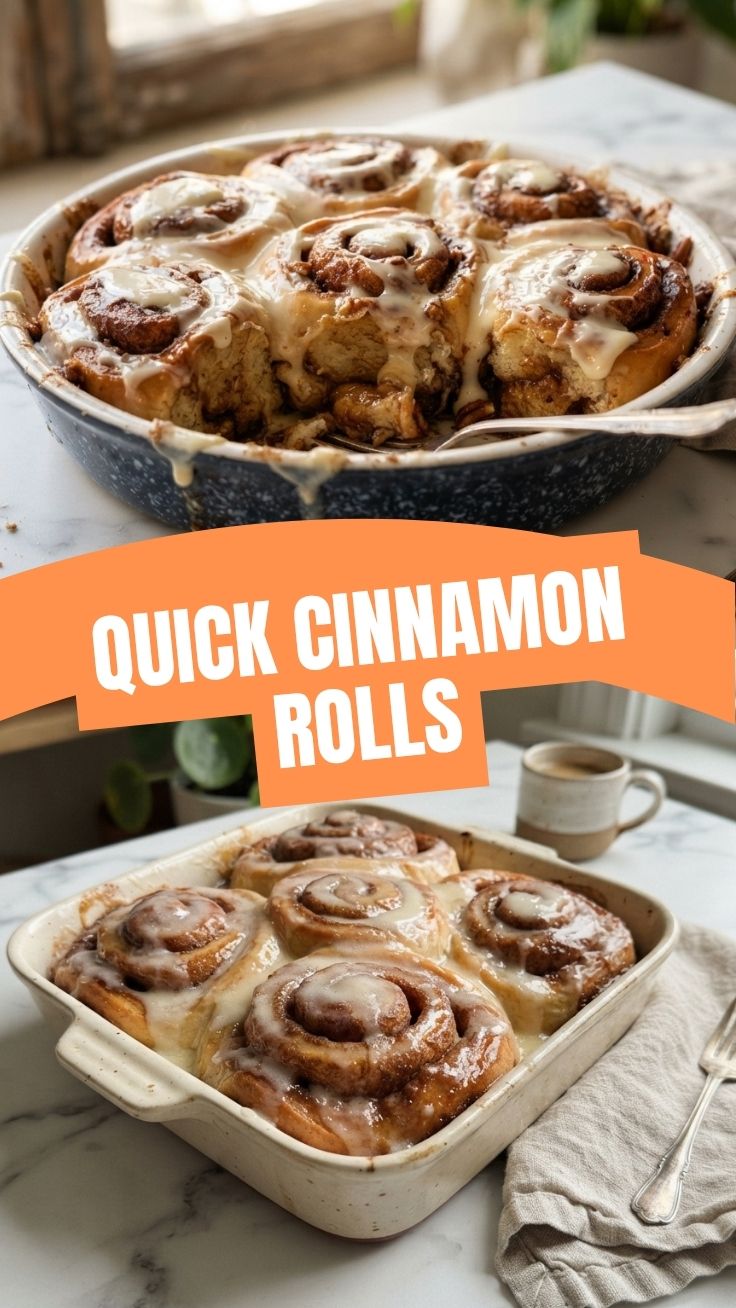
- Active Prep Time: 30-40 minutes
- Dough Rising Time: 1.5 – 2 hours (first rise) + 30-45 minutes (second rise)
- Bake Time: 20-25 minutes
- Cooling & Frosting Time: 10-15 minutes
Plan for approximately 3-4 hours from start to finish, with most of that time being hands-off rising. This recipe is perfect for a lazy weekend morning or can be partially prepped the night before for a quicker breakfast treat.
Step-by-Step Instructions
1. Activate the Yeast: In a large bowl, combine the warm milk, yeast, and 1 teaspoon of the granulated sugar. Stir gently and let sit for 5-10 minutes until foamy. This confirms your yeast is active.
2. Combine Wet Ingredients: Add the melted butter, egg, vanilla extract, and salt to the yeast mixture. Whisk until well combined.
3. Form the Dough: Gradually add the flour, 1 cup at a time, mixing with a wooden spoon or stand mixer on low speed. Once a shaggy dough forms, switch to a dough hook (if using a stand mixer) and knead for 5-7 minutes, or hand-knead on a lightly floured surface for 8-10 minutes, until the dough is smooth and elastic. It should spring back when lightly pressed.
4. First Rise: Lightly grease a clean bowl. Place the dough in the bowl, turning once to coat. Cover with plastic wrap or a clean kitchen towel and let rise in a warm, draft-free place for 1.5 – 2 hours, or until doubled in size. Pro tip: A slightly warm oven (turned off) is a great spot for rising.
5. Prepare the Filling: While the dough rises, combine the softened butter, brown sugar, and ground cinnamon in a small bowl. Mix until well combined and paste-like.
6. Roll and Fill: Once the dough has doubled, gently punch it down to release the air. Turn it out onto a lightly floured surface. Using a rolling pin, roll the dough into a large rectangle, approximately 12×18 inches. Spread the cinnamon filling evenly over the entire surface of the dough, leaving a small border at one long edge.
7. Roll into a Log: Starting from the long edge across from the plain border, carefully roll the dough into a tight log. Pinch the seam to seal.
8. Slice the Rolls: Using a sharp knife or unflavored dental floss, cut the log into 12 even slices (about 1.5 inches thick). Place the slices in the prepared 9×13-inch baking dish, leaving a little space between each. This precise Cinnamon Rolls method ensures consistent baking and presentation.
9. Second Rise: Cover the baking dish with plastic wrap or a kitchen towel and let the rolls rise again in a warm place for 30-45 minutes, or until puffy and almost touching. Preheat your oven to 375°F (190°C) during the last 15 minutes of this rise.
10. Bake: Bake for 20-25 minutes, or until golden brown on top and cooked through. If the tops are browning too quickly, loosely tent with aluminum foil.
11. Prepare the Frosting: While the rolls are baking or cooling, make the frosting. In a medium bowl, beat together the softened cream cheese and butter until smooth. Gradually add the powdered sugar, one cup at a time, beating until fully incorporated. Stir in the vanilla extract. Add milk, one tablespoon at a time, until the desired spreading consistency is reached. This is an essential step for an outstanding Cinnamon Roll Recipe.
12. Frost and Serve: Let the baked rolls cool slightly for 5-10 minutes, then generously spread the cream cheese frosting over them. Serve warm and enjoy!
Nutritional Benefits & Advantages
Homemade cinnamon rolls, while a treat, offer some surprising advantages. Choosing whole milk and real butter provides healthy fats and essential nutrients. Cinnamon itself boasts powerful antioxidant and anti-inflammatory properties, and can even help to regulate blood sugar levels. By making them at home, you avoid artificial flavors, preservatives, and high-fructose corn syrup often found in commercial versions. Plus, the joy of baking can be a wonderful mood booster!
Tips, Variations & Cooking Advice
- Overnight Rolls: For a make-ahead option, after the second rise, cover the rolls tightly with plastic wrap and refrigerate overnight. The next morning, let them come to room temperature for 30-60 minutes before baking.
- Flavor Variations:
* Orange Zest: Add 1 tablespoon of orange zest to the dough or frosting for a bright citrusy note.
* Cardamom Rolls: Include ½ teaspoon of ground cardamom in the filling for an exotic, fragrant twist.
* Nutty Rolls: Add ½ cup of finely chopped pecans or walnuts to the filling.
- Gluten-Free Option: Substitute all-purpose flour with a high-quality gluten-free all-purpose flour blend (one specifically designed for baking). You might need slightly more liquid.
- Dairy-Free Option: Use plant-based milk (almond or oat milk), dairy-free butter substitutes, and dairy-free cream cheese for both the dough and frosting.
- Portion Control: Slice the log into smaller rolls for mini-cinnamon rolls, adjusting baking time accordingly.
Common Mistakes to Avoid
- Water Too Hot/Cold: If the milk is too hot, it will kill the yeast; too cold, and it won’t activate properly. Use a thermometer to ensure it’s within the 105-115°F range.
- Not Kneading Enough: Under-kneaded dough will result in dense, tough rolls. Knead until smooth, elastic, and passes the windowpane test (a small piece can be stretched thinly without tearing).
- Over-flouring: Adding too much flour makes the dough dry and difficult to work with, leading to tough rolls. Add flour gradually until the dough is just slightly tacky.
- Under-rising: Rushing the rising process will result in flat, dense rolls. Patience is key for light and fluffy results.
- Over-baking: Dry rolls are no fun! Bake until golden brown, but still soft and slightly jiggly in the center.
Storage & Meal Prep Tips
Storage: Store leftover Cinnamon Rolls in an airtight container at room temperature for up to 2-3 days, or in the refrigerator for up to 5 days.
Freezing:
- Baked Rolls (frosted or unfrosted): Wrap individual rolls tightly in plastic wrap, then place in a freezer-safe bag or container for up to 2-3 months. Reheat in the oven or microwave.
- Unbaked Dough Log: After rolling and filling the dough, but before slicing, wrap the log tightly in plastic wrap and then foil. Freeze for up to 1 month. Thaw overnight in the refrigerator, slice, let rise, and bake as usual.
Reheating: For best results, reheat individual rolls in a microwave for 20-30 seconds, or in a preheated oven at 300°F (150°C) for 10-15 minutes until warmed through.
Conclusion
There’s nothing quite like the warmth and comfort of a homemade treat, and these homemade Cinnamon Rolls truly deliver. With this detailed Cinnamon Roll Recipe, you’re equipped to create bakery-quality rolls right in your own kitchen, impressing family and friends with your baking prowess. Don’t be afraid to experiment with the variations and make this recipe your own. Share your delicious creations with us in the comments below, and let us know your favorite frosting consistency! Happy baking!
FAQs
Q1: My yeast didn’t foam. What went wrong?
A1: This usually means your milk was either too hot (killing the yeast) or too cold (not activating it), or your yeast is old and inactive. Always check yeast expiration dates.
Q2: Can I use bread flour instead of all-purpose flour?
A2: Yes, bread flour has a higher protein content, which can result in a chewier roll. All-purpose flour will give you a softer texture, which is generally preferred for cinnamon rolls.
Q3: How do I know if my dough has risen enough?
A3: The dough should roughly double in size. You can gently poke it with a floured finger; if the indentation remains, it’s ready. If it springs back immediately, it needs more time.
Q4: My frosting is too thin/thick. How can I fix it?
A4: If it’s too thin, add more powdered sugar, a tablespoon at a time, until desired consistency. If it’s too thick, add more milk or cream, a teaspoon at a time.
Q5: Can I make the dough in a bread machine?
A5: Yes, you can use the dough cycle on your bread machine. Add the ingredients in the order specified by your machine’s manual, then proceed with rolling, filling, and baking as instructed in this recipe.